POWER PERKS Front-of-line dispatch, annual safety check, member-only pricing. Get 5% Off All Services with Power Perks Learn more →
CA LIC #1109913 · TX LIC #40645 · BONDED · INSURED 24/7 EMERGENCY SERVICE
[ BRAND SERVICE ] BOTH SHOPS

Urgent electrical response

Emergency electrical service for issues that cannot wait.

Smoke, sparks, water near electrical equipment, partial power, hot or buzzing breakers - call the local franchise immediately.

BOTH SHOPS COVER THIS
Emergency Electrical Services
Licensed · 5/10/Lifetime written warranty
Licensed electrician on every job. Veteran-owned, family-run.
5-year, 10-year & lifetime warranty on the install. Parts and labor. Stays with the house.
After-hours emergency dispatch. A real person on the line, not a robot.
Direct answer

Emergency electrical service from Keil Electric covers urgent issues that should not wait: smoke or burning smell at outlets, sparks, partial power, hot or buzzing breakers, water near electrical equipment, and total outages. both shops dispatch emergency calls during business hours, with same-day response when capacity allows.

02 - DECIDE BEFORE YOU CALL

Which emergency electrical services service fits your situation.

Emergency Electrical Services covers a few different jobs that look similar from the outside but are quite different in scope, cost, and timeline. Here is the version that helps you walk into the call already pointed at the right one. We will confirm or correct on the phone.

24/7 Emergency Electrical Service

If you are seeing or dealing with the kind of work this covers, Keil Electric provides 24/7 emergency electrical dispatch across San Diego County and the Austin metro for active electrical hazards. After-hours and weekend response is offered when capacity allows. A real person at the local shop answers the phone, not a national call center. Read the full 24/7 emergency electrical service page.

Electrical Power Restoration

If you are seeing or dealing with the kind of work this covers, Keil Electric restores customer-side power across San Diego County and the Austin metro after panel failures, service entrance damage, water damage, and post-utility-event inspections. We diagnose the failure, repair the customer-side equipment, coordinate utility reconnect, and verify safe re-energize. Read the full electrical power restoration page.

Emergency Electrician

If you are seeing or dealing with the kind of work this covers, Keil Electric dispatches emergency electrical service across San Diego County and the Austin metro. Active hazards (smoke, burning smell, sparks, hot panel) get same-day response when capacity allows. A licensed electrician answers the phone and dispatches the truck. No call center. Read the full emergency electrician page.

Same-Day Electrical Repair

If you are seeing or dealing with the kind of work this covers, Keil Electric offers same-day electrical repair across San Diego County and the Austin metro when business-hours capacity allows. Failed outlets, dead circuits, intermittent breakers, and other repairs that cannot wait. We confirm capacity on the call and dispatch when possible. Read the full same-day electrical repair page.

When two or more of these apply

It is common to need more than one of these at once, especially on older homes or commercial buildings where one underlying issue surfaces in several places. We bundle the work under a single scope and a single permit when the project lines up that way, which usually saves time and money versus running each as a separate visit. If you are not sure which page fits, pick the closest one or call. We will sort it out.

04 - HOW THIS WORKS

How emergency electrical services works.

Same-day dispatch during business hours

Both franchise locations dispatch emergency calls during business hours (Mon-Fri 8 am to 8 pm). Most days the team is on site within 2 to 4 hours of the initial call. Capacity sometimes pushes the visit to the next-available slot. We communicate honestly when we take the call.

Triage on the first call

The first conversation determines whether the call is emergency, urgent repair, or scheduled work. We ask what's happening, where, when it started, and what's been done already. The triage decision affects dispatch speed and what to do before we arrive.

Make-safe before diagnostic

Emergency visits start by making the situation safe. Affected breakers off. Equipment isolated. Heat sources eliminated. Standing water cleared from electrical proximity. Diagnostic and repair come after the immediate risk is contained.

Repair vs temporary safe condition

Some emergencies resolve at the visit. A failed breaker swap, a damaged outlet replacement, a loose lug retorque. Larger scope (Panel Upgrade, service entrance repair) gets a temporary safe condition with a scheduled return for the full repair.

Utility coordination when applicable

Service entrance damage, meter socket failures, and any work that requires utility cooperation (meter pull, service de-energize) involves utility coordination. We pull the permit, schedule with the utility, and minimize the homeowner's downtime.

05 - PROCESS

Our process

01

Triage call

We listen to what's happening, ask the questions that determine dispatch priority, and either dispatch immediately or walk through a make-safe step on the phone.

02

Make-safe guidance during the call

Where applicable, we walk the homeowner through turning off the affected breaker or the main, staying out of unsafe areas, and avoiding contact with energized or wet equipment.

03

On-site arrival and condition assessment

Team arrives, photographs conditions, takes voltage and amperage readings, and identifies the immediate risk. The homeowner is briefed on what we found.

04

Emergency repair or temporary safe condition

Where scope allows, we repair on the spot. Where the work is larger (panel, service entrance), we make a temporary safe condition and schedule the full repair.

05

Written report and follow-up scheduling

Every emergency visit produces a written report of conditions, work performed, and any follow-up needed. The homeowner has a documented record regardless of whether we do the follow-up work.

  Permits

Permits and inspections

Not every job requires a permit. When the local AHJ requires one, we pull it, schedule the inspection, and stay with the job until it passes. No paperwork on you.

  Warranty

What's covered

Written warranty: 5-year on outlets, fixtures, and EV chargers; 10-year on wire and breakers; lifetime on panelboxes and surge protection. Parts and labor. Transfers with the home.

  Safety

What we check before recommending a fix

Electrical emergencies have one rule above all others: don't guess. Don't reset a breaker that tripped without understanding why. Don't touch equipment that's hot to the touch. Don't step into standing water near electrical equipment. Don't open a panel cover unless you're trained to work inside it. For active danger (visible flame, electrical shock, electrocution risk), call 911 first and the local franchise second. Don't use water on an electrical fire (use Class C or ABC dry chemical extinguisher). Don't assume a damaged outlet is "just" cosmetic; scorch marks indicate real heat. Don't plug high-draw equipment into questionable circuits to "test." Don't pour water near a panel that's leaking or showing damage. The CDC, NFPA, and OSHA all publish guidance on electrical emergencies, and the consistent advice is the same: power off, stay back, get help.

06 - PROOF · BOTH SHOPS

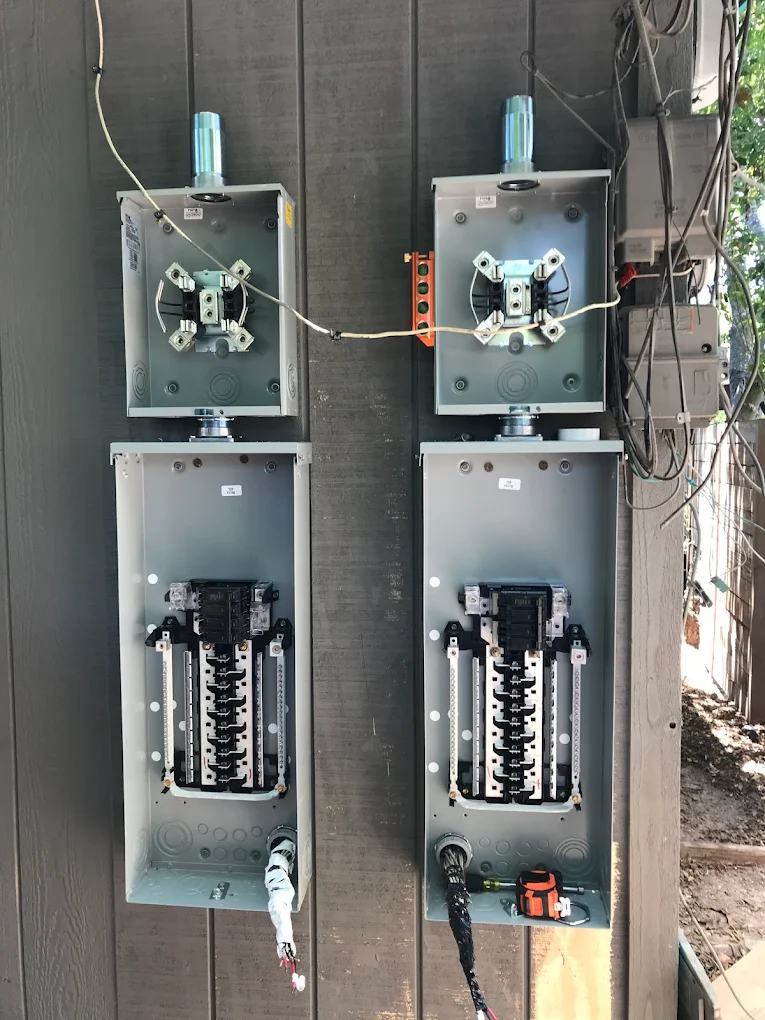
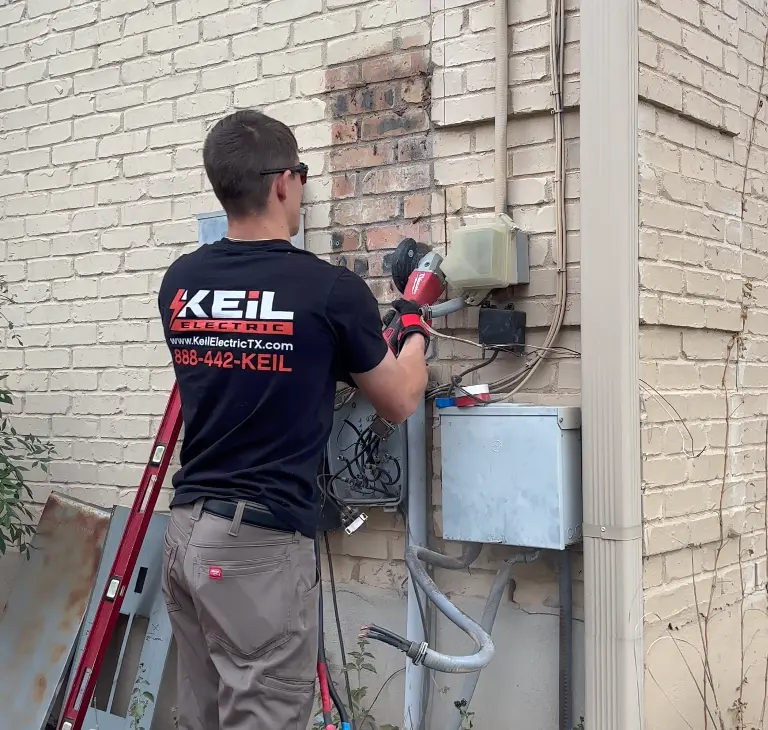
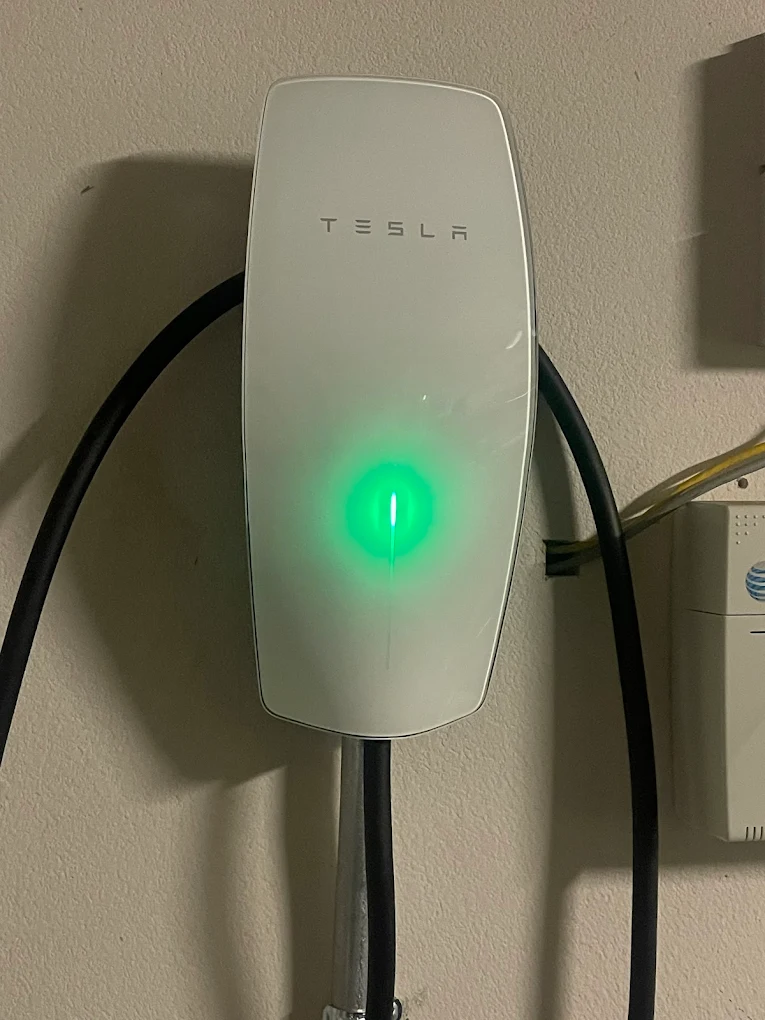
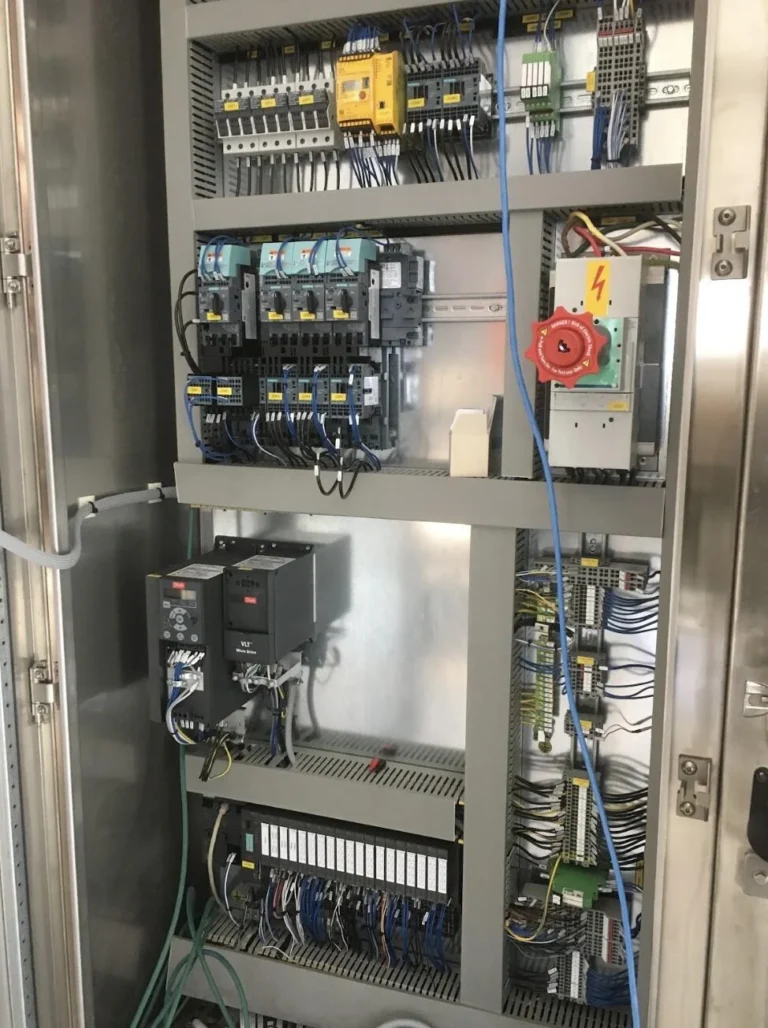
What this looks like in the field.

Real work from our San Diego and Austin shops. Same standards, same warranty, every job.

07 - WHO TO HIRE

Why hiring a licensed electrician matters.

For emergency electrical services, here's the honest comparison. We'd tell you the same thing if we weren't trying to win the job.

Keil Electric

A licensed electrician

Licensed electrician walks every job. Veteran-owned, family-run.
Permits pulled and inspections coordinated when required by the AHJ
5/10-year + lifetime warranty in writing. Parts and labor. Transfers with the home.
Fully insured + workers' comp on every crew
The price you sign is the price you pay
A handyman

Unlicensed for electrical

No state electrical license. Can do simple swaps but not panel work, rewires, or service upgrades.
No permits. Work won't pass inspection if the city audits it later.
No structured warranty. "Call me if something breaks" isn't enforceable.
If something they did causes a fire, your homeowner's insurance can deny the claim.
Cash discount may show up on the invoice.
DIY

Doing it yourself

Cheap, but only if everything goes right. Most electrical work involves load calc, code, and permitting.
A failed inspection means redoing the work. Selling the home later, the buyer's inspector flags it.
No warranty if something fails. Replacement is on you.
Live wiring is a real safety hazard. Most fatal home electrical accidents are DIY.
If you know what you're doing, fine. If you don't, call us first.

Emergency electrical service is the work that can’t wait. Smoke or burning smell at outlets. Sparks at devices. Hot or buzzing breakers. Water near electrical equipment. Partial power across the property. Total outage on a property where the utility says the issue is on your side. Each of these is a same-day call.

The first conversation matters. We need to know what’s happening, where in the property, when it started, and whether anyone has already touched anything (reset a breaker, unplugged equipment, shut a circuit off). The answers drive whether we dispatch immediately, walk through a quick safety check on the phone, or coordinate with the utility before sending anyone.

Emergency dispatch runs during business hours at both shops. Outside business hours we return voicemail as quickly as possible. For active life-safety emergencies (visible flame, electrical shock injury, electrocution risk), 911 is the first call. We’re the second.

What counts as an electrical emergency?

Smoke or burning smell at any outlet, switch, fixture, or panel is an emergency. Smoke means heat, and heat in an electrical system means failed insulation or arcing. Don’t wait to see if it goes away.

Visible sparks at any device or junction box is an emergency. Sparks indicate either a loose connection arcing or a short circuit that the breaker didn’t catch.

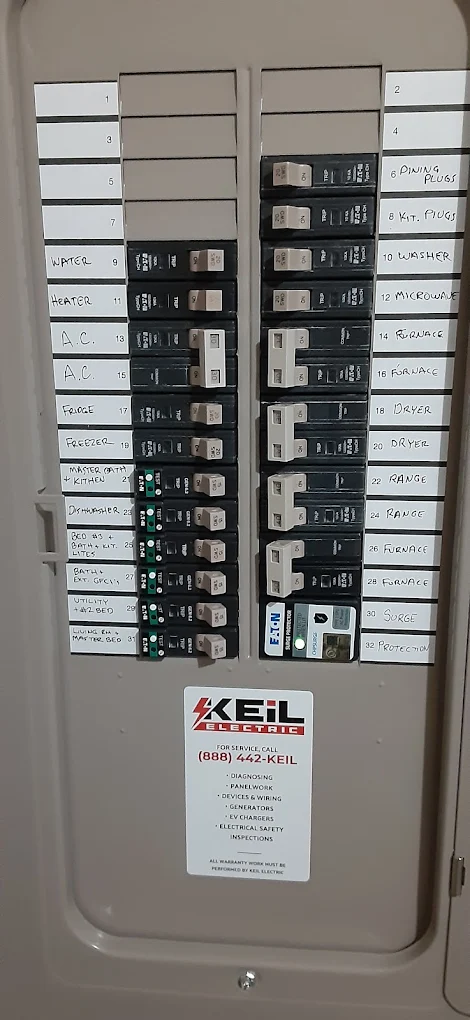
Hot or buzzing breakers in the panel are an emergency. Breakers should not be hot to the touch under normal load. Buzzing typically means an internal failure.

Water near energized electrical equipment is an emergency. This includes flooding into a basement panel, roof leaks dripping into a junction box, irrigation overspray on outdoor outlets, and storm damage that exposed wiring.

Partial power across the property (some circuits work, others don’t) usually indicates a failed neutral, a damaged service entrance conductor, or a utility-side issue. We diagnose and either fix on our side or coordinate with the utility.

Total outage at the property when the utility confirms the issue is on the homeowner’s side is an emergency. Service entrance damage, meter socket damage, and main breaker failures fall into this scope.

What is NOT an electrical emergency?

A single dead outlet that’s not heating, sparking, or smoking can wait for a scheduled repair visit. Same with a single light fixture that won’t turn on, a switch that doesn’t work, or a circuit that’s tripped but reset cleanly.

A breaker that trips when you run too much on one circuit (microwave plus toaster plus coffee maker on the same kitchen branch) is doing its job, not failing. The fix is either dedicated circuits or different appliance scheduling.

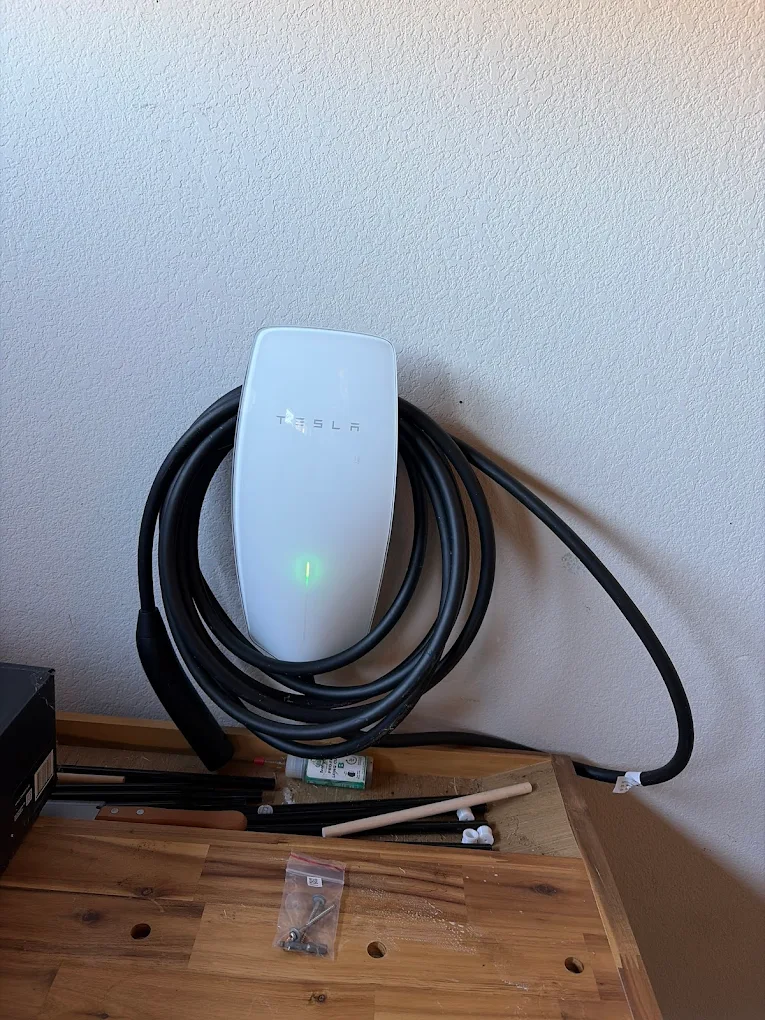
An EV charger that won’t charge, a generator that won’t start during a self-test, or any equipment failure that doesn’t involve heat, smoke, sparks, or water is repair scope, not emergency scope.

What to do before we arrive

For smoke or burning smell: turn off the breaker for the affected circuit if you can do so safely. If you can’t identify the breaker, turn off the main breaker. Stay out of the area.

For sparks at a device: turn off the breaker for that circuit. Don’t touch the device.

For water near energized equipment: stay out of standing water near outlets, panels, or fixtures. If safe to do so, turn off the main breaker. Don’t step into the area until power is confirmed off.

For hot breakers: turn off the main breaker. Stay clear of the panel.

For partial power: turn off any equipment that’s seeing weird voltage (dim lights, slow-running motors, hot equipment). Half-voltage on motors and electronics damages them quickly.

Same-day response and dispatch logistics

both shops dispatch emergency calls during business hours (Mon-Fri 8 am to 8 pm). Same-day arrival depends on capacity. Most days we can be on site within 2 to 4 hours. Some days the team is committed and we route the call to the next-available slot, which we communicate honestly when we take the call.

For after-hours emergencies, we return voicemail as quickly as possible. The CDC and NFPA guidance on electrical emergencies always points to 911 for active life-safety risk.

What the visit covers

Emergency visits start with making the situation safe. Power off where needed. Equipment isolated. Heat sources eliminated. Then diagnostic to understand the cause. Then either repair on the spot (if scope allows) or temporary safe condition with a scheduled repair visit (for larger work).

We document everything. Photos of conditions. Voltage and amperage readings. Equipment that needs replacement. The homeowner gets a written report whether or not we do the follow-up repair work.

What counts as an electrical emergency

“Emergency” gets used loosely. For dispatching a truck after-hours, it has a specific definition. The categories that warrant after-hours dispatch:

  • Active danger. Burning smell, smoke, sparks, an outlet or switch that is hot to the touch, visible heat damage on a receptacle or panel, or any electrical equipment producing flame or smoke.
  • Total power loss without obvious utility cause. The home is dark, the neighbors are not. The utility is showing power on the line. The main breaker has tripped, or a service-entrance fault has occurred.
  • Partial power loss with safety implications. The home loses power to medical equipment, refrigerated medication, or essential heat in a freeze. Half the panel is dead and the other half is on. A neutral fault has occurred (lights are dim or bright on different circuits).
  • Storm or accident damage. A tree has hit the service mast. A car has hit the meter. A construction accident has cut a service line. Lightning has struck near or at the home with visible damage.
  • Water + electricity in unsafe combination. Flooding has reached a panel, an outlet, or any energized equipment. A roof leak has dripped onto a fixture or junction box.

What does not warrant after-hours dispatch

The following are real problems but typically can wait until business hours:

  • A single circuit has tripped and won’t reset, but no smell or visible damage
  • One outlet is not working (others on the same circuit are fine)
  • A light fixture has stopped working
  • A GFCI keeps tripping but the rest of the home is fine
  • Lights flicker briefly when a major appliance starts

These are real service calls but rarely emergencies. After-hours dispatch costs more, and the issue can usually be resolved safely the next business day.

How emergency dispatch actually works

The phone-side triage runs through a checklist:

  1. Confirm safety. If there is active fire, smoke, or sparks, the homeowner should evacuate and call 911 first. We respond after the property is safe.
  2. Confirm utility power. Check the neighbors. If the entire street is dark, the utility is the problem and the utility responds. If the neighbors have power, the issue is on the home side and we respond.
  3. Locate the affected area. Whole home? One panel? One circuit? One device? The triage tells us what to bring on the truck.
  4. Get the basic facts. Address, panel location, what is in front of the panel (working clearance per NEC 110.26), pets that need containment, parking instructions.
  5. Dispatch the truck. The on-call licensed electrician heads to the property with the basics for the symptom plus a kit for related work.

Most after-hours calls finish on the first visit. Some result in stabilizing the immediate hazard (powering down the affected circuit, isolating water from the panel, taping off a damaged service mast) and scheduling follow-up work for permitted scope during business hours.

What to do before we arrive

If the situation is safe to act in:

  • Turn off the affected circuit at the panel. If you can identify the breaker for the affected outlet, light, or area, turn it off.
  • Turn off the main breaker if the situation suggests whole-home electrical concern (burning smell from the panel, heat from the panel cover, water reaching the panel). The home will be without power until the issue is addressed, but the hazard is contained.
  • Unplug any equipment that was attached to the affected circuit when the issue started.
  • Do not reset breakers repeatedly. If a breaker tripped, it tripped for a reason. Resetting it without identifying the cause can re-energize a fault.

If the situation is not safe to act in (active fire, smoke, electrocution risk), evacuate and call 911. We respond after first responders clear the scene.

What we charge after hours

After-hours rates are higher than business-hours rates. The on-call electrician is paid extra to be available, drives to the property after hours, and works on a different rate structure. We document the rate before dispatching the truck so the homeowner knows the price before the visit happens.

For genuine emergencies, the trade-off is worth it, a $400 after-hours service call to power down a heating panel and stabilize a fault is dramatically cheaper than the alternative. For non-emergencies, scheduling during business hours saves money. The phone-side triage helps the homeowner make that call.

24 hour electrician dispatch

Our after-hours line is staffed by a real person on the local crew, not a national queue. When you need an emergency electrician at 2am for a burning smell at the panel or a sparking outlet, you reach a licensed electrician on our team and we dispatch. Same-day electrical repair is the standard during business hours when capacity allows. After-hours emergency dispatch handles active danger that cannot safely wait until morning.

Common 24 hour electrician calls we handle: a tripped main breaker that will not reset, total power loss to the home or part of the home with no utility outage, hot or buzzing breakers, the smell of melting plastic from a panel or outlet, water near electrical equipment after a plumbing leak or storm, and damaged service drops after wind events. For active fire risk, call 911 first; we coordinate after the fire department clears the scene.

Common questions about emergency electrical services

When should I call for emergency electrical service rather than schedule a visit?

Call immediately for smoke, sparks, a burning smell, hot or buzzing breakers, water near electrical equipment, or partial power across the property. A single dead outlet or one fixture out can wait for a regular appointment.

Does Keil Electric offer 24/7 emergency service?

Both locations dispatch emergency calls during business hours (Monday-Friday 8 am to 8 pm). Outside those hours we return voicemail messages as quickly as possible. Life-safety emergencies should always begin with a 911 call.

What counts as same-day electrical repair?

Same-day repair means we dispatch within the current business day when capacity allows. We confirm same-day eligibility on the first call so you know whether the visit is today or scheduled.

What information should I have ready when I call?

The property address, what is not working, when it started, which breakers or rooms are affected, and whether anyone has already tried to reset a breaker. Photos of visible damage help us scope the call faster.

How is electrical power restoration different from emergency repair?

Power restoration is the work after an outage - confirming the cause, repairing damaged service equipment, and verifying the panel and circuits before re-energizing. Emergency repair is the response to an active issue like sparks, smoke, or water exposure.

Are you a 24 hour electrician?

Yes. Both Keil Electric locations have an after-hours line that goes to a real person on the local crew. We dispatch a truck for active emergencies (sparks, smoke, burning smell, total power loss without a utility cause) any time of night or weekend.

Do you offer same-day electrical repair?

Yes when capacity allows. Same-day repair is the standard during business hours for non-emergency requests. Call early in the day for the best chance at a same-day window.

How fast can an emergency electrician get to me?

Drive time depends on which franchise covers your address and the part of the metro. We tell you the realistic ETA when you call. For active fire risk, call 911 first.

08 - REQUEST

Need emergency electrical services?

Pick the location closest to your property to reach the local team and request a real plan.

Send a request.

A licensed electrician walks the job, tells you what needs doing, and the price in writing.

Request received.

Thanks. We got your request and the local team will be in touch soon.

[ WHENEVER YOU'RE READY ]

Ready when you are.
A real person on the local team will reply.