Residential electrical work covers single-family homes, condos, townhomes, ADUs, and any property where the work is for a homeowner or tenant rather than a commercial operator. The scope is broad because residential needs are broad. New homes, older homes, recent renovations, deferred maintenance, electrification projects, smart home installations, and everything in between.
both shops are licensed and equipped for residential work. The San Diego location handles San Diego County under California license #1109913. The Austin location handles the Austin metro under Texas license #40645. each shop runs residential as its primary service line, which means the team is familiar with the typical scopes, the local code amendments, and the common patterns in homes built in each market.
This page is the umbrella for residential work. Specific scopes (panel upgrades, EV chargers, lighting, rewiring, etc.) have their own pages with deeper detail. Use this as a starting point if your project is residential and you’re not sure which specific service it falls under.
What residential scopes are most common?
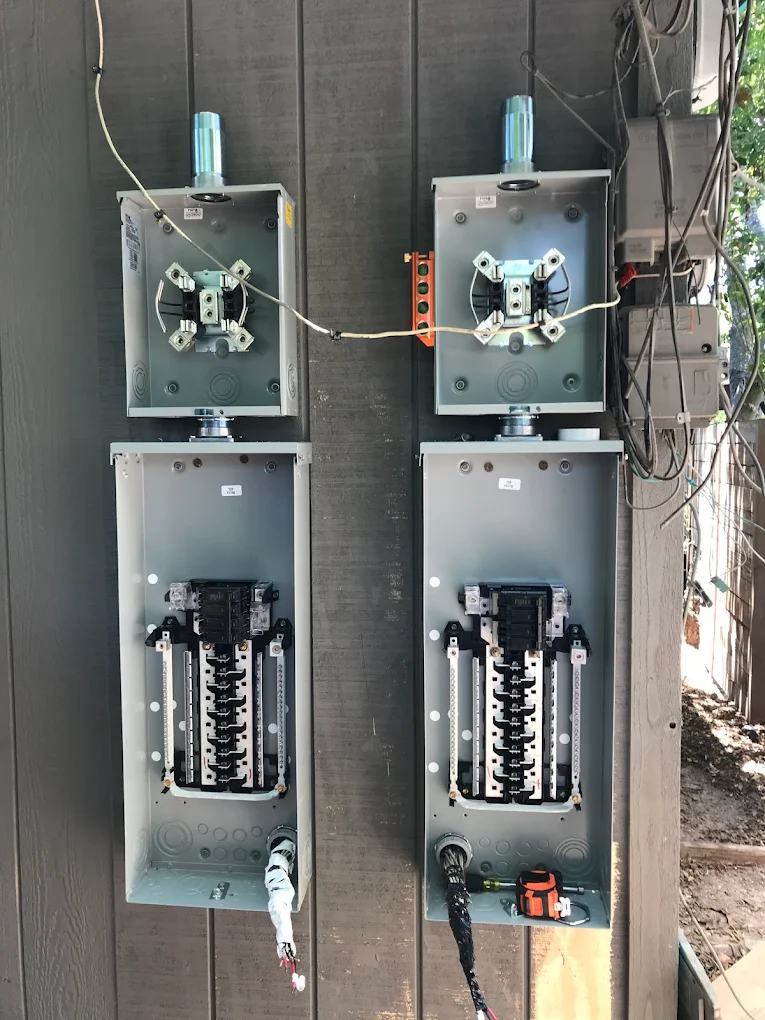
Panel upgrades from older 100A service to 200A. Common drivers: adding an EV charger, electrifying gas appliances (induction range, heat pump, electric water heater), preparing for solar plus battery storage, or simply replacing a panel that’s past its design life.
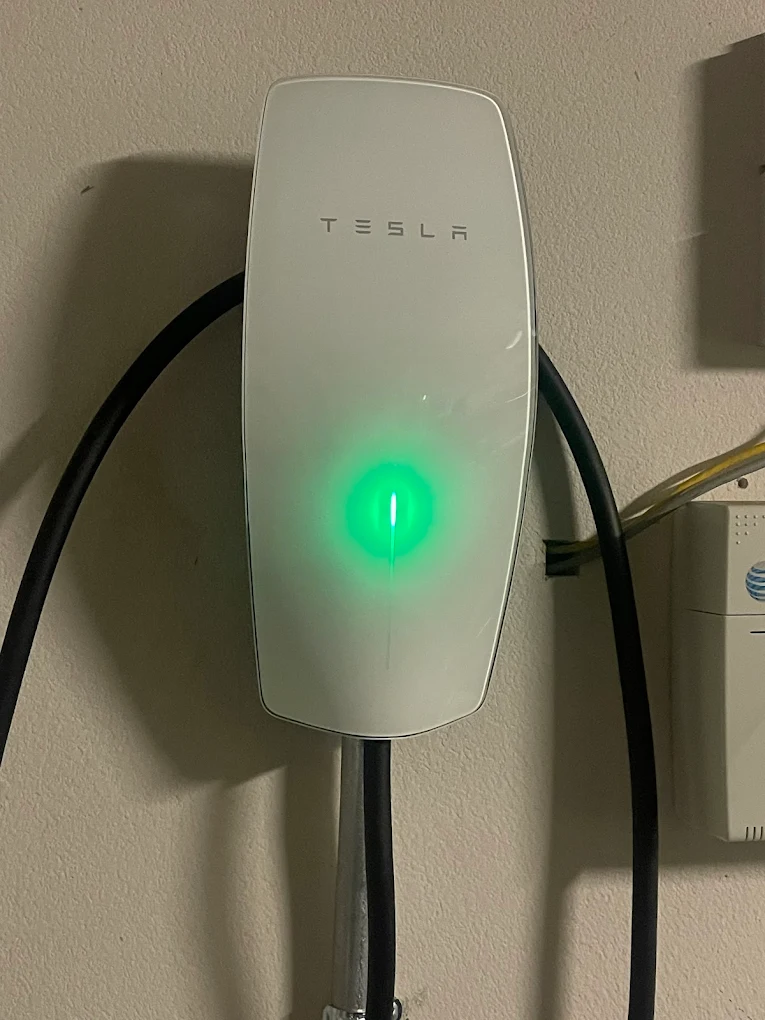
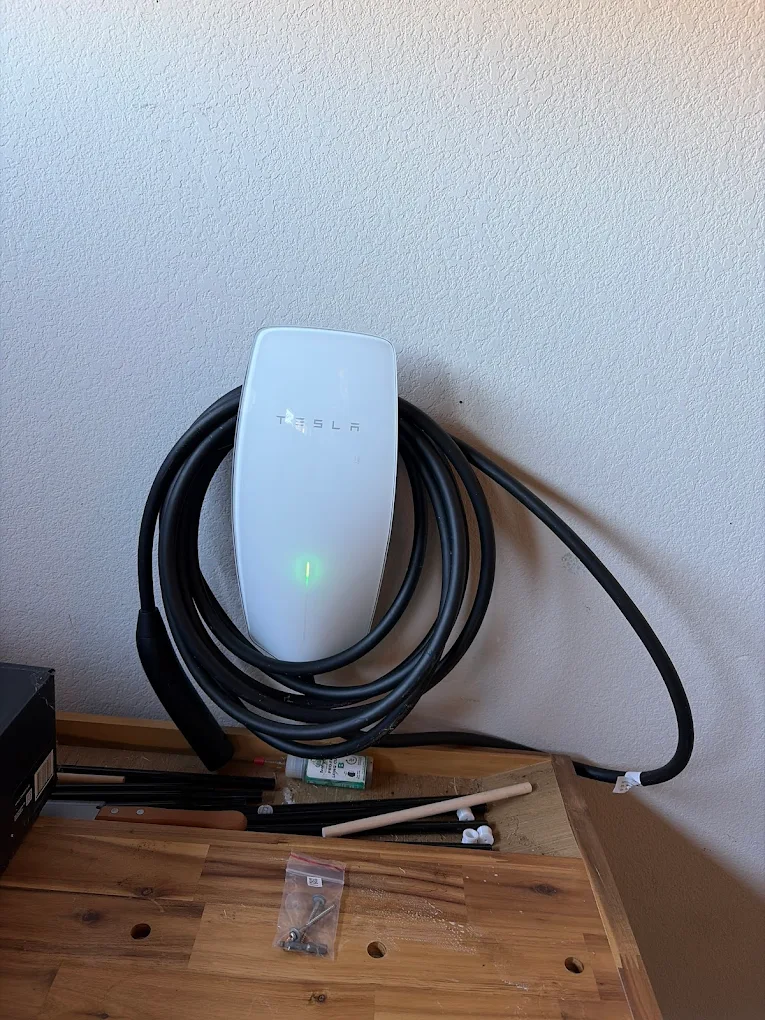
EV charger installation. Level 2 chargers, dedicated circuits, panel capacity verification. Sizing depends on the vehicle and household charging needs.
Generator installation. Whole home standby generators on natural gas or LP, or interlock kits for portable generators. Sized to the load list, not to the home’s square footage.
Lighting installation and replacement. Recessed, surface-mount, pendant, ceiling fans, outdoor and landscape lighting, smart switches, dimmers.
Outlet and switch work. New outlets during renovation, GFCI installation in wet locations, outlet relocations, dimmer installations, smart switch installations.
Rewiring. Targeted (specific circuits or rooms) or whole-home (knob-and-tube, aluminum branch wiring, aged Romex without grounding conductors).
Inspection and code-correction work. Pre-purchase home inspections, post-storm or post-surge safety checks, corrections tied to a city or utility deficiency report.
Specialty wiring. Hot tub and spa circuits, dedicated circuits for shop equipment, smoke and CO detector wiring, service mast repair after storm damage.
How does the first call work?
The first call is about figuring out which scope applies. We ask what’s happening or what the homeowner wants to install, the property type and rough size, and any relevant context (home age, recent work done by others, urgency).
From there we either schedule a diagnostic visit (for repair or troubleshooting work), a scoping visit (for installation or project work), or dispatch immediately (for emergencies). The decision affects the calendar, the diagnostic fee, and what to have ready when we arrive.
What we cover in different home types
Single-family homes are the bulk of the residential work. Both shops handle the full scope from emergency repair through complete rewiring.
Condos and townhomes have unit-level work that’s typically the homeowner’s responsibility (everything inside the unit) and building-level work that’s the HOA’s responsibility (service, common area lighting, building electrical infrastructure). We work on the unit-level work. HOA approval is sometimes required for work that affects building-level systems.
ADUs (accessory dwelling units) follow residential rules but often include their own service or sub-panel. New ADUs benefit from layout and design work at the planning phase rather than reactive work after the GC has framed.
Multifamily up to fourplexes is residential scope under most code definitions. Larger multifamily falls into commercial scope.
Mobile and manufactured homes have specific code rules under NEC 550 and locally adopted standards. We service mobile homes with proper attention to the unique grounding and bonding requirements for those structures.
How permits work for residential
Most installation and renovation work requires a permit. The exact threshold depends on the AHJ. As a general rule, like-for-like fixture replacement on existing circuits doesn’t need a permit. Adding circuits, modifying the panel, running new wiring, or installing dedicated-circuit equipment (EV charger, hot tub) does need a permit.
When the AHJ requires a permit, we pull it, schedule any inspection, and meet any inspector. The homeowner doesn’t coordinate with the city directly. Permit costs are scope on the written quote.
What we tell every customer about residential work
Older homes have more variables than newer homes. The scope often grows during the work because we find conditions that the original quote couldn’t see. We document and quote the broader scope before continuing.
HOAs sometimes require pre-approval. For condo or townhome work that affects shared systems, the homeowner should check the HOA rules before scheduling.
Equipment lead times affect calendar. EV chargers, generators, panels, and specialty fixtures sometimes have lead times of weeks. We tell the homeowner the realistic timeline at quote.
Code adoption varies by city. The same scope of work might require different protections in different cities. We confirm AHJ-adopted code at the time of permit.
What residential electrical service typically includes
“Residential electrician services” covers the full scope of electrical work in single-family homes, condos, townhomes, ADUs, and similar dwellings. The categories:
Service work
Single-visit jobs: outlet replacement, switch upgrade, fixture install, dedicated circuit for a window AC or appliance, GFCI added in a bathroom or kitchen, smoke detector replacement. Most service work completes in 1-3 hours and does not require permit (depending on AHJ and exact scope).
Project work
Multi-day or multi-circuit scopes: panel upgrades, EV charger installs, generator installs, kitchen rewire during a remodel, lighting design across multiple rooms, low-voltage network buildout. Project work always pulls a permit, often requires rough-in and final inspection, and gets coordinated with other trades when the work overlaps with framing, plumbing, HVAC, or finish trades.
Diagnostic work
Tracking down faults: an outlet that does not work, a breaker that trips, a flickering light, a burning smell. Diagnostic work charges by time; the repair is quoted separately once the fault is identified.
Inspection and code-correction work
Pre-purchase electrical inspections, code-corrections from a home inspection report, items required for insurance underwriting. Pre-purchase work especially looks for the patterns that affect home sales: Federal Pacific panels, aluminum branch wiring, knob-and-tube, missing GFCI in code-required locations, and amateur modifications.
How service vs project pricing differs
Service work uses time-and-materials with a documented hourly rate, often with a service-call minimum that covers travel and the first hour of labor. The homeowner sees the rate before we start.
Project work uses fixed-scope pricing, the scope is defined in writing, the price is fixed, and that is the price. Used for any scope where the work can be fully scoped before starting.
Diagnostic work is time-and-materials for the diagnostic, with the repair quoted as fixed-scope after the fault is identified.
Common scopes by home age
The work varies dramatically by when the home was built. Common patterns:
Pre-1940 homes
Knob-and-tube wiring is the default. Original panels are often 60A or 100A, sometimes with fuses rather than breakers. Common scopes include: panel upgrade to current breaker-style, knob-and-tube remediation (partial or full rewire), GFCI addition in code-required locations, modernization for HVAC or appliance loads, code corrections for permit history gaps.
1940-1965 homes
Mix of cloth-jacketed NM cable and BX (early flexible armored cable). 100A or 150A service common. Knob-and-tube sometimes still in pockets. Common scopes: panel upgrade, kitchen rewire during remodel, bathroom GFCI, deteriorated cable replacement at affected sections.
1965-1973 homes
Aluminum branch wiring window per CPSC alerts. Common scopes: COPALUM or AlumiConn pigtailing, CO/ALR receptacle replacement, full whole-home rewire in copper. Often combined with panel upgrade if the panel is also from the era and has issues.
1973-1990 homes
Modern NM-B copper wiring becomes standard. Common scopes: panel upgrade for capacity, GFCI added in expanded code-required locations, AFCI added during remodels (NEC 210.12), service entrance work as masts and meter bases age.
1990-2010 homes
Modern wiring throughout. Common scopes: capacity additions (EV charger, generator, hot tub, additions), lighting upgrades (LED retrofits, smart-home integration), panel relocation during remodels.
Post-2010 homes
Generally code-compliant. Common scopes: capacity additions, smart-home upgrades, addition / remodel electrical work.
What residential service does not include
A few categories sit outside our core residential scope or get coordinated with specialists:
- Utility-side work. The service drop from the utility pole to the meter is utility responsibility. We coordinate with the utility on the meter pull during panel work but do not work on the utility side.
- Solar PV installation. Some electricians specialize in solar; we coordinate with solar contractors on the inverter-to-panel side of the work but do not install the panels themselves.
- Specialty low-voltage scopes. Home theater design and calibration, professional security system monitoring, and fire-alarm system commissioning are coordinated with specialists.
For everything else in residential electrical, we are the call.