
SAN DIEGO
EMERGENCY DISPATCH
Burning smell, smoke, sparks, total power loss without utility cause, hot panel. A real licensed electrician answers and rolls a truck.
Keil Electric dispatches emergency electrical service across San Diego County and the Austin metro. Active hazards (smoke, burning smell, sparks, hot panel) get same-day response when capacity allows. A licensed electrician answers the phone and dispatches the truck. No call center.
Same scope at any of our shops. Pick the shop that covers your area and we will route you to the right crew.
Real person answers. We assess the situation and confirm the urgency level.
For active hazards we dispatch the next available truck. ETA confirmed on the call.
First action: make the situation safe. Then diagnose.
Written quote on the spot, repair executed once you authorize.
Not every job requires a permit. When the local AHJ requires one, we pull it, schedule the inspection, and stay with the job until it passes. No paperwork on you.
Written warranty: 5-year on outlets, fixtures, and EV chargers; 10-year on wire and breakers; lifetime on panelboxes and surge protection. Parts and labor. Transfers with the home.
Active electrical emergencies are fire and shock risks. If you smell smoke or see flames, call 911 first, then us. If equipment is sparking or warm, kill power at the breaker if you can do so safely, and call us.
Real work from our San Diego and Austin shops. Same standards, same warranty, every job.
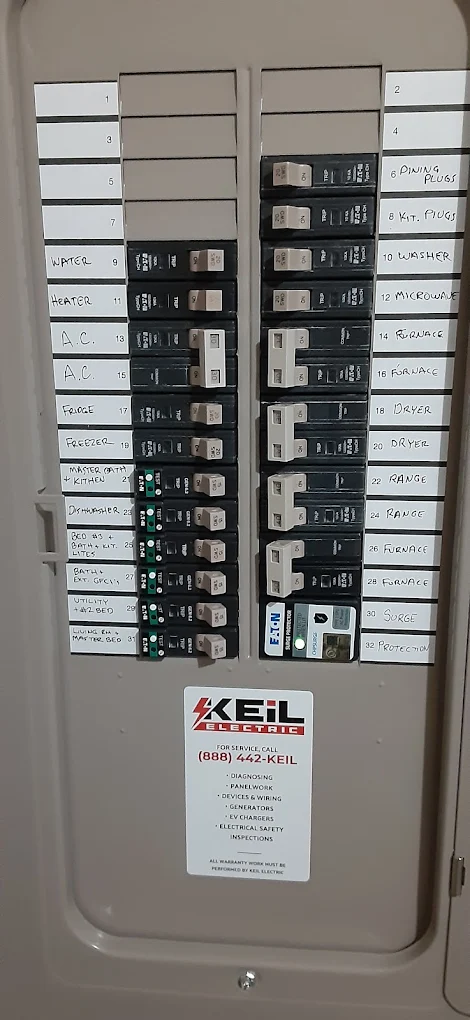
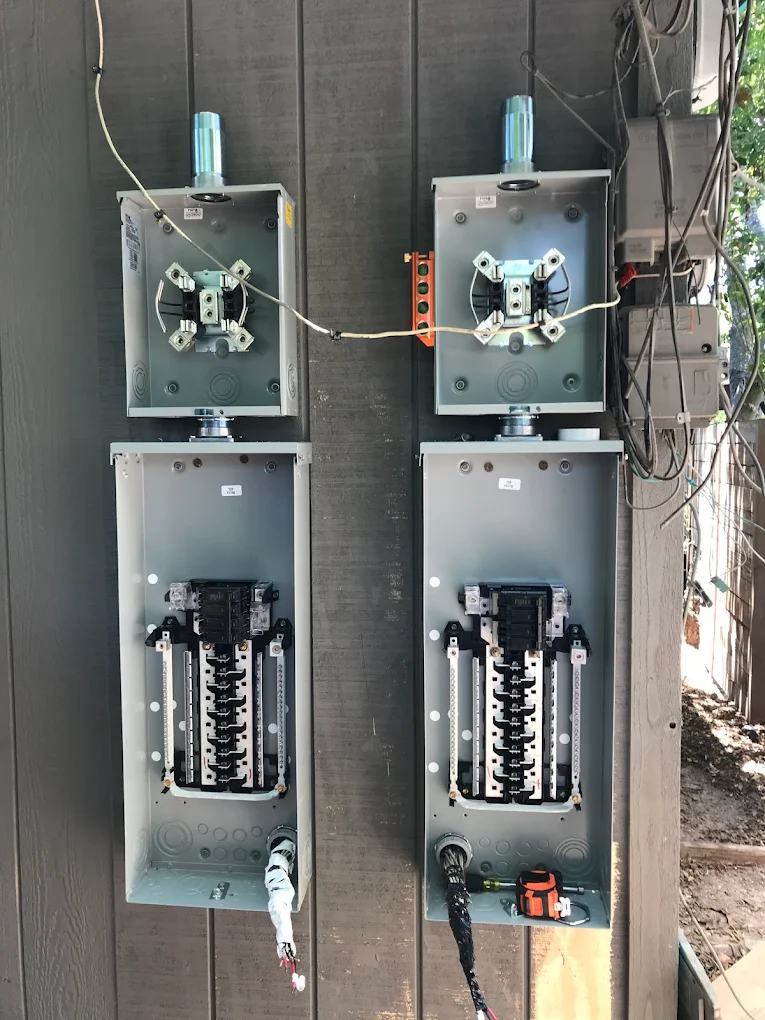
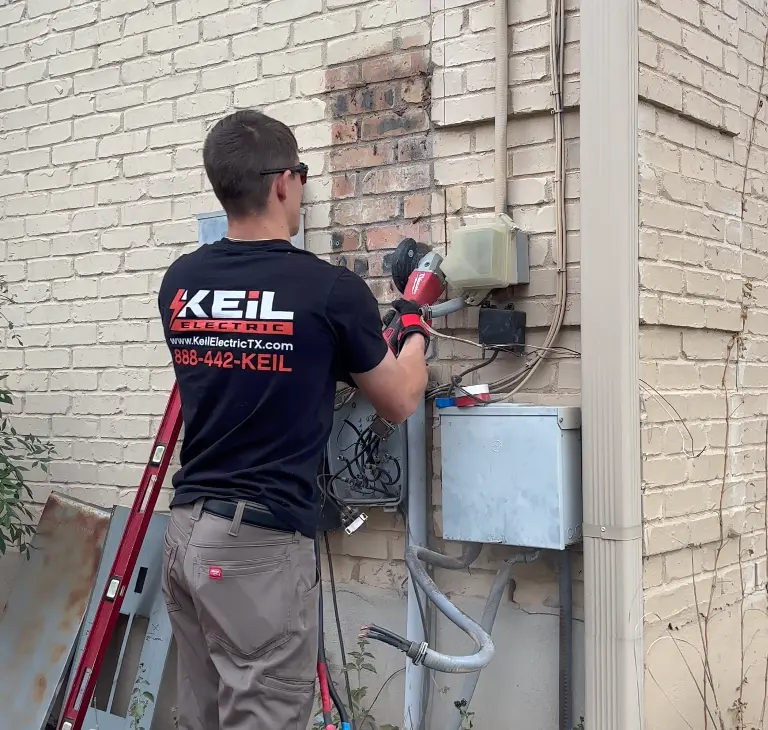
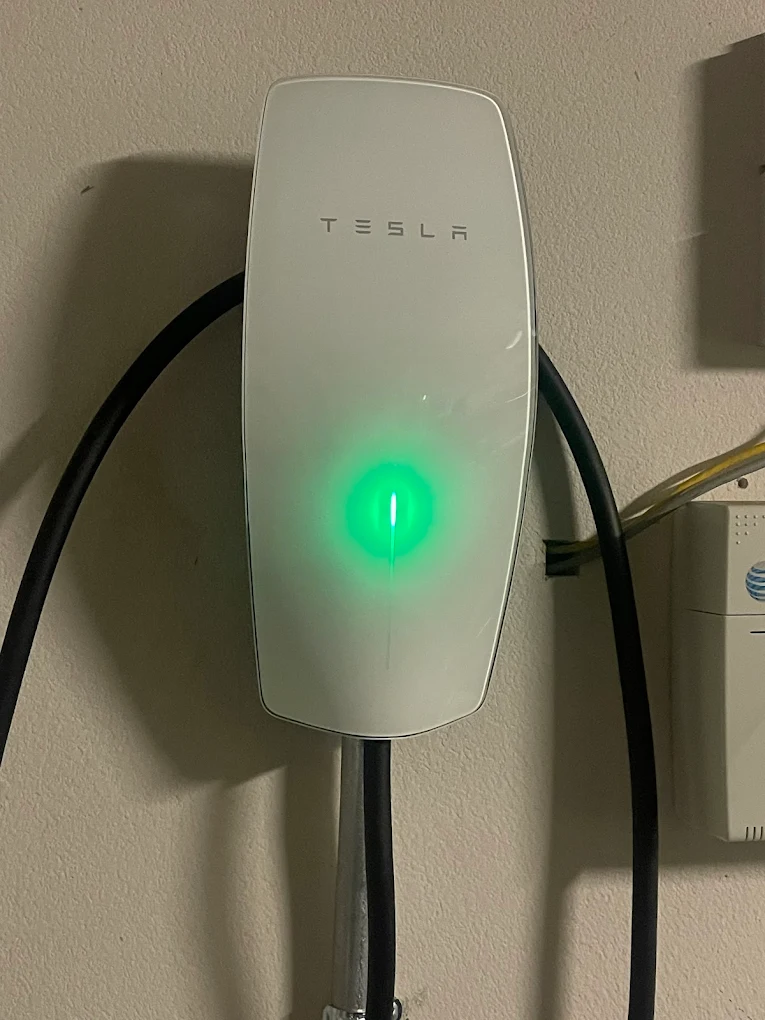
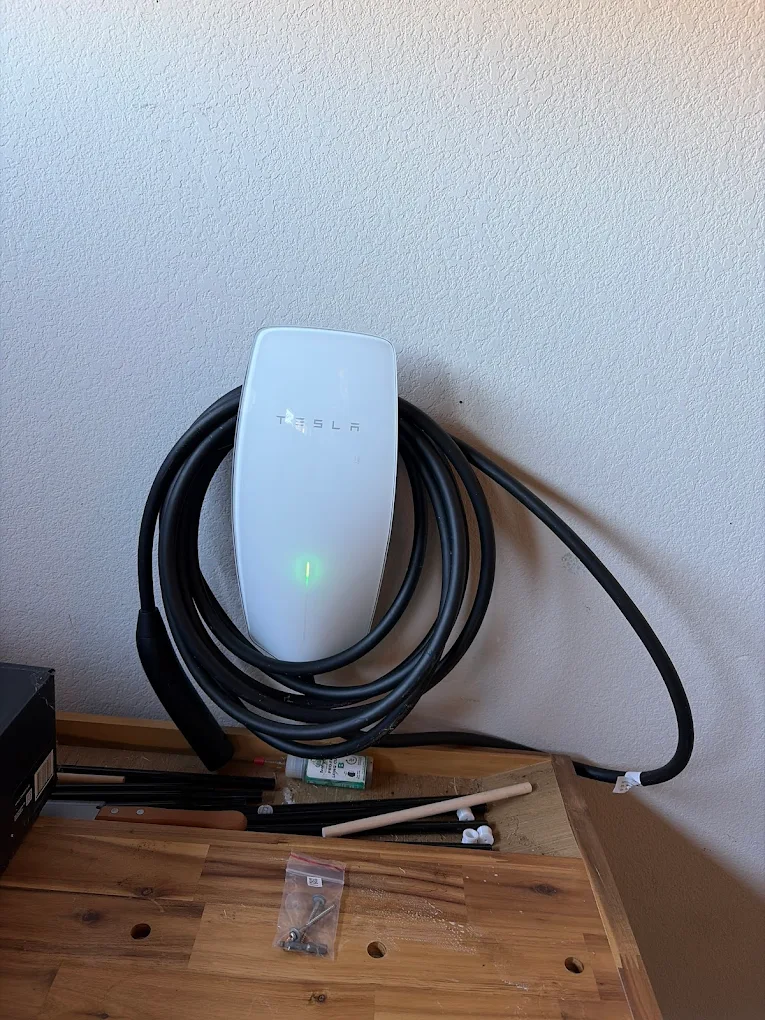
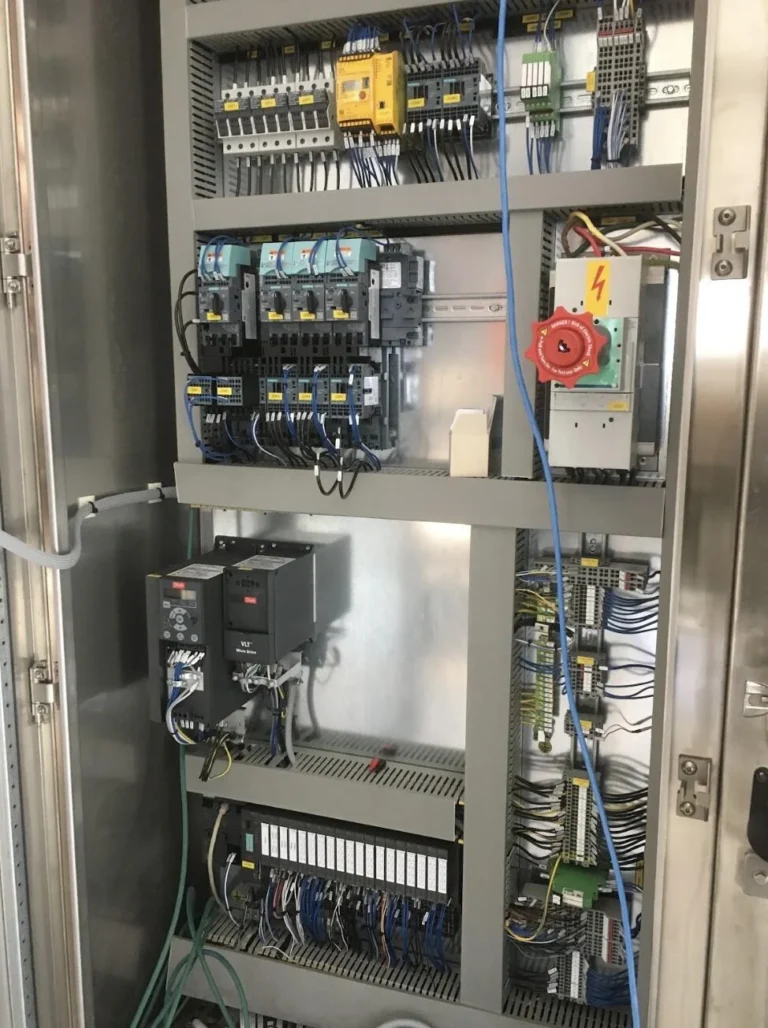
For emergency electrician, here's the honest comparison. We'd tell you the same thing if we weren't trying to win the job.
Most emergency electrician calls fall into one of three patterns: a single component failed and the symptom is obvious, a slowly degrading connection finally tripped or stopped working, or a previous repair (yours, a handyman, or a prior contractor) was never quite correct and the underlying issue surfaced again. If the symptom involves smoke, sparks, burning smell, or a panel that is hot to the touch, do not wait. Call the local shop. Active hazards get same-day dispatch when capacity allows. Routine repairs go on the next-available slot, usually inside the same week.
The first 20 to 30 minutes is observation and diagnosis: walk the symptom with you, check the panel for related issues, trace the affected circuit, identify the actual root cause rather than the easy answer. Most emergency electrician issues sit somewhere other than where the symptom shows up (lights flicker because of a loose connection at the panel, an outlet stops working because of a backstab failure on the next outlet downstream). The diagnostic is the actual job, the price reflects that. We write the scope after the diagnosis, not before.
Emergency electrical service is the most time-sensitive work we do. The customer is dealing with an active hazard, the schedule does not wait, and the diagnostic has to happen quickly. Our emergency dispatch is staffed by the same shop that handles scheduled work, which means the electrician who shows up at midnight is the same one who would show up at 10am the next day.
Smell of burning insulation or burnt plastic from outlets, panels, or walls. Visible smoke at any electrical equipment. Audible buzzing, popping, or crackling at the panel. Outlets, switches, or breakers hot to the touch. Sparks visible at any device or fixture. Total power loss with no utility outage in the area. Partial power loss (some circuits work, others do not, with no obvious cause). Water-damaged electrical equipment after a flood or roof leak. Visible damage to the service mast or service drop after a storm or fallen tree. Any of these means stop using the affected circuits at the breaker and call us, they are fire and shock risks until diagnosed.
The phone rings at the local shop, not a national call center. A real person, typically the electrician, a journey-licensed electrician, or the office manager who knows the field schedule, picks up. We assess the situation in under a minute: what you are seeing or smelling, when it started, what room or device, whether any equipment is hot or sparking right now. We confirm whether the scope warrants immediate dispatch or whether scheduling for the next business window is safer. After-hours rates and ETA are confirmed before the truck rolls.
The first action on every emergency call is making the situation safe. That usually means killing the affected circuit at the panel, occasionally killing the main breaker if the panel itself is the issue. Once power is off to the affected area, the electrician inspects: looking for visible char, opening the panel cover to check bus condition, testing the suspect circuit with the right tools, and tracing back to the source. The diagnostic is documented on site, photos go in the customer file, a written quote covers the repair scope, and only after authorization does the actual repair work begin.
Stop using the circuits or devices that are causing the issue. If you can safely access the breaker panel and identify the affected circuit, kill that breaker. If smoke or smell is escalating, kill the main breaker and leave the building, a smoldering electrical fire inside a wall can ignite minutes after it appears to have stopped. For visible smoke, sparks, or fire: call 911 first, then call us. We coordinate with fire response and the utility when needed.
Burning smell at an outlet (typically a backstabbed connection arcing inside the device or box). Hot panel cover (a connection inside the panel running hot, often a loose lug or an FPE Stab-Lok / Zinsco breaker failing). Sparks at a switch (an arc fault at the device or in the switch box). Total outage on one leg of the service (failed main breaker or service entrance issue). Partial power loss (an open neutral or a tripped breaker that is not obvious). Water at electrical equipment after a leak or flood (the equipment is not safely re-energized without inspection).
Every emergency call closes with a documented record: photos of the failure, the diagnostic findings, the repair scope, the parts replaced, and the inspection close-out if a permit was required. The documentation goes in the customer file and is available later for insurance claims, warranty claims, or future-buyer disclosure. After-hours work generates the same paper trail as scheduled work.
Most emergency repairs are complete after a single visit. Some require a return visit for a follow-on scope, for example, an emergency call that reveals an aging panel where the immediate fix is a single breaker replacement but the longer-term recommendation is Panel Upgrade. We brief you on both at the close of the visit and the longer-term scope is quoted separately so you can plan it on your timeline. We do not pressure same-day decisions on non-emergency follow-on work.
Burning smell from outlets or panel, smoke or sparks from any electrical equipment, total power loss without a utility-side outage, partial power loss across multiple circuits, or a panel that is hot to the touch. Anything where you suspect a fire or shock risk is an emergency. We dispatch on those calls regardless of time of day.
For active emergencies inside our regular coverage zone we aim for same-day dispatch when crews are available. Realistic arrival is usually within a couple of hours when traffic and crew positioning allow. We tell you the honest timeline on the call rather than promising a number we cannot hit. Outside the regular zone we still respond, just with a longer drive.
Yes, after-hours and weekend service has a higher labor rate than scheduled work because the crew is being pulled outside normal hours. We tell you the rate on the call before we dispatch so there is no surprise on the invoice. For genuine fire-or-shock emergencies the rate conversation does not slow us down getting there.
If there is smoke, sparks, or a burning smell, get clear of the affected area and call us. If safe to do so, shut off the main breaker at the panel to kill power to the affected circuits. Do not touch wet electrical equipment. Do not pour water on an electrical fire. Keep pets and kids away from the area until we arrive.
Often yes, at least to the affected circuits. For panel-level work we shut off the main. We coordinate with you on timing if you have medical equipment or refrigeration concerns. Most emergency repairs restore partial power within a few hours so you are not entirely without electricity overnight.
Yes. Tenant power loss, panel failures, service mast damage, and post-storm damage on commercial buildings are part of regular emergency dispatch. For multi-tenant properties we work with the property manager on access and tenant notification. Same emergency rates apply.
If we identify a utility-side issue (damaged drop, transformer, meter base damage that is the utility's responsibility) we tell you immediately and help you open a ticket with the utility. We do not bill emergency service rates for the time spent confirming a utility issue if that is what is actually going on.
When we have the parts on the truck, yes. For specific panels, breakers, or service equipment that needs to be sourced, we make the system safe at the first visit and schedule the replacement install as soon as parts arrive. We do not leave a customer in an unsafe state regardless of parts availability.
Call now. A licensed electrician answers and dispatches a truck. No call center, no triage queue.