POWER PERKS Front-of-line dispatch, annual safety check, member-only pricing. Get 5% Off All Services with Power Perks Learn more →
CA LIC #1109913 · TX LIC #40645 · BONDED · INSURED 24/7 EMERGENCY SERVICE
[ BRAND SERVICE ] BOTH SHOPS

WHOLE-HOUSE SURGE

Surge Protection Installation

Type 1 and Type 2 surge protective devices at the service entrance. Catches utility-side surges before they reach equipment downstream.

BOTH SHOPS COVER THIS
Surge Protection Installation
Licensed · 5/10/Lifetime written warranty
Licensed electrician on every job. Veteran-owned, family-run.
5-year, 10-year & lifetime warranty on the install. Parts and labor. Stays with the house.
After-hours emergency dispatch. A real person on the line, not a robot.
Direct answer

Keil Electric installs whole-house surge protection across San Diego County and the Austin metro. Type 1 SPDs at the service entrance for utility-side surges, Type 2 SPDs at the panel for downstream protection. Coordinated with utility rules and panel listing.

Part of Surge Protection and Grounding Licensed service across both shops
02 - HOW THIS WORKS

How surge protection installation works.

Type 1 vs Type 2 SPDs

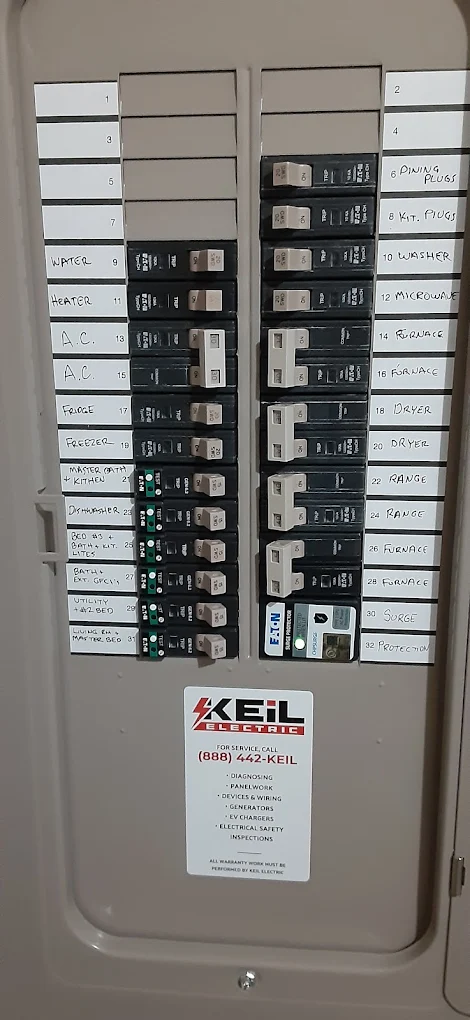
Type 1 SPDs install on the line side of the main breaker (between the meter and the service disconnect) and absorb utility-side surges. Type 2 SPDs install on the load side (downstream of the main breaker, in the panel) and protect circuits inside the building. Most installs use Type 2; high-exposure properties (rural, lightning-prone) get both.
Whole-house vs point-of-use

Whole-house SPDs at the panel protect every circuit downstream. Point-of-use surge strips at sensitive equipment (computers, AV, networking) catch what gets past the panel-level SPD. The two work together; neither replaces the other.

Why surge protection matters

Modern homes are full of electronics: smart home devices, HVAC controls, GFCI and AFCI breakers, EV chargers, computers, AV equipment. Each one is vulnerable to surge damage from lightning, utility switching, or large motor loads cycling. A whole-house SPD pays itself back the first time it catches a surge.

Surge events to expect

Lightning strikes (direct and induced). Utility switching events when a transformer is reset or a substation reroutes. Large motor cycling on the same transformer (HVAC, well pumps). Each one creates a transient that an SPD clamps before it reaches your equipment.

03 - PROCESS

Our process

01

Panel and service walk

Our crew inspects the panel brand, available space, and service entrance to pick the right SPD.

02

Written scope

SPD model, installation location (panel vs service entrance), and cost.

03

Install

SPD installed per manufacturer instructions, with the leads kept short (under 12 inches) for effective clamping.

04

Test status

Confirm the SPD status indicator shows protected, document the install, and brief the customer on when to expect replacement.

  Permits

Permits and inspections

Not every job requires a permit. When the local AHJ requires one, we pull it, schedule the inspection, and stay with the job until it passes. No paperwork on you.

  Warranty

What's covered

Written warranty: 5-year on outlets, fixtures, and EV chargers; 10-year on wire and breakers; lifetime on panelboxes and surge protection. Parts and labor. Transfers with the home.

  Safety

Safety notes

Surge protective devices have a finite life. After absorbing a major surge they may need replacement. Most modern SPDs have a status indicator that shows when the device is no longer protecting.

04 - PROOF · BOTH SHOPS

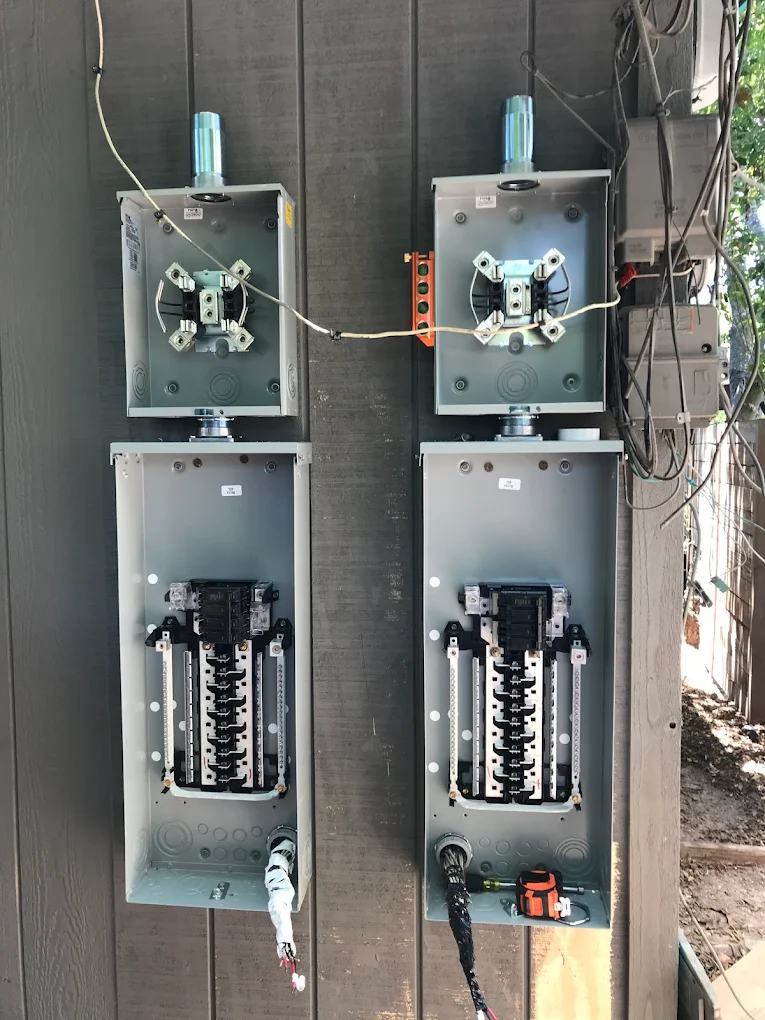
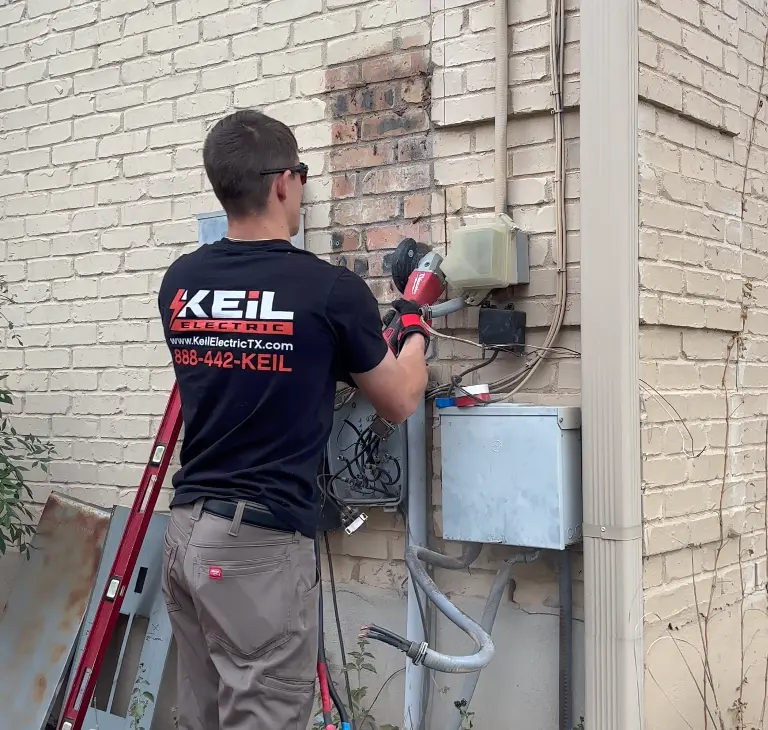
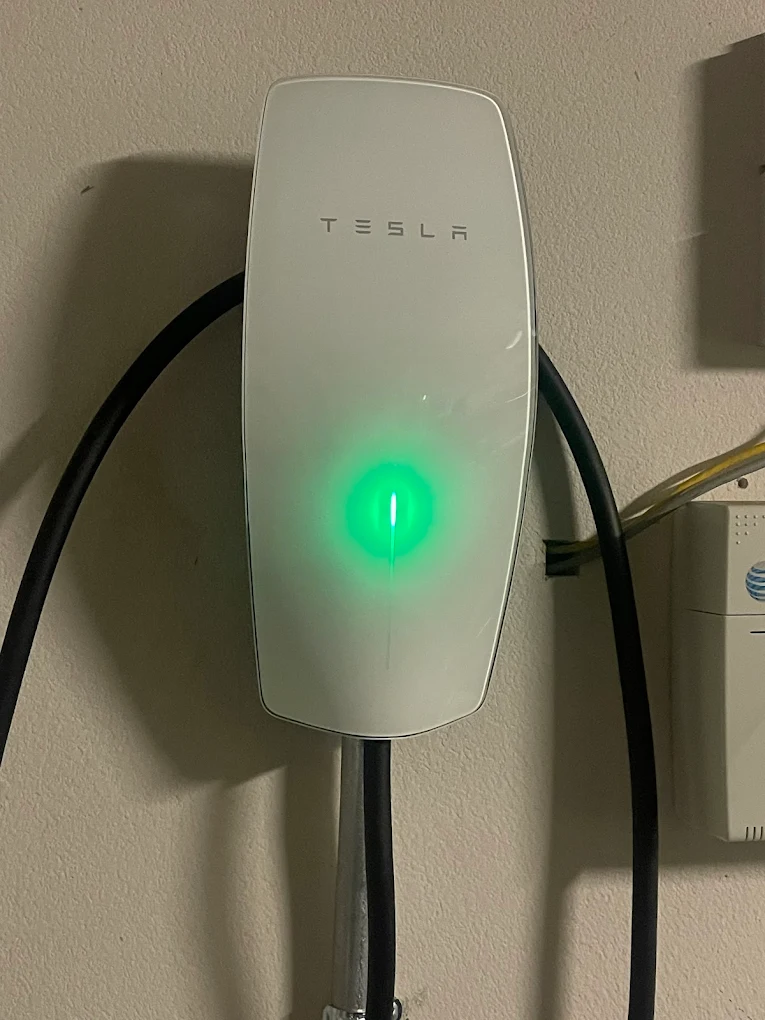
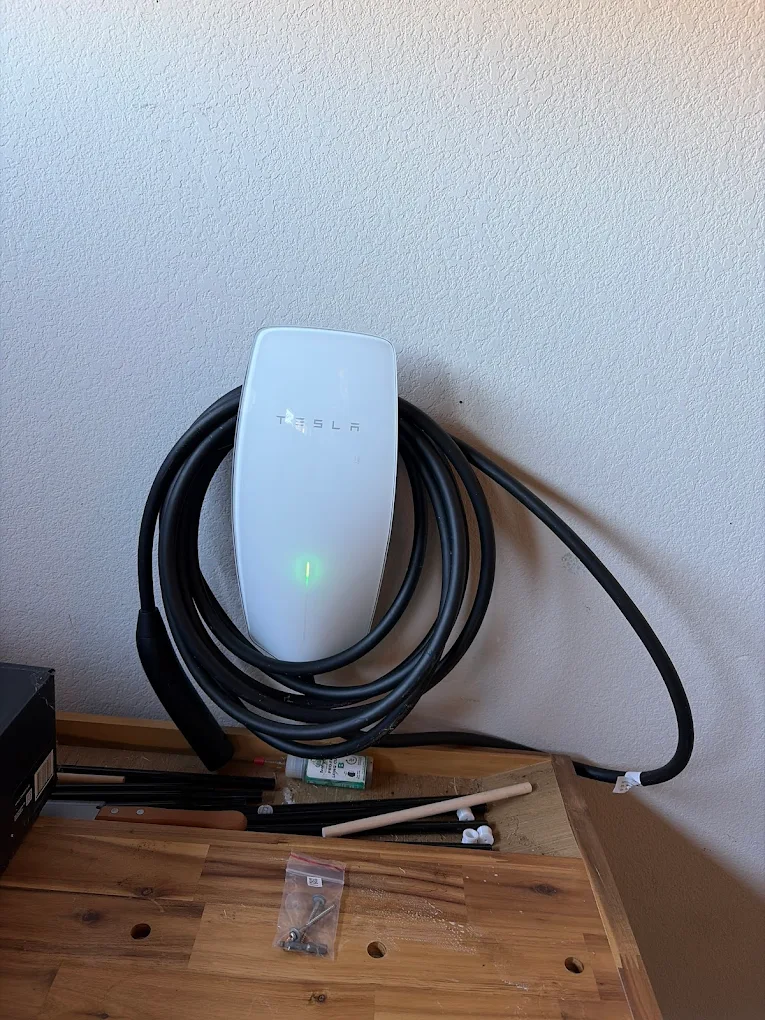
What this looks like in the field.

Real work from our San Diego and Austin shops. Same standards, same warranty, every job.

05 - WHO TO HIRE

Why hiring a licensed electrician matters.

For surge protection installation, here's the honest comparison. We'd tell you the same thing if we weren't trying to win the job.

Keil Electric

A licensed electrician

Licensed electrician walks every job. Veteran-owned, family-run.
Permits pulled and inspections coordinated when required by the AHJ
5/10-year + lifetime warranty in writing. Parts and labor. Transfers with the home.
Fully insured + workers' comp on every crew
The price you sign is the price you pay
A handyman

Unlicensed for electrical

No state electrical license. Can do simple swaps but not panel work, rewires, or service upgrades.
No permits. Work won't pass inspection if the city audits it later.
No structured warranty. "Call me if something breaks" isn't enforceable.
If something they did causes a fire, your homeowner's insurance can deny the claim.
Cash discount may show up on the invoice.
DIY

Doing it yourself

Cheap, but only if everything goes right. Most electrical work involves load calc, code, and permitting.
A failed inspection means redoing the work. Selling the home later, the buyer's inspector flags it.
No warranty if something fails. Replacement is on you.
Live wiring is a real safety hazard. Most fatal home electrical accidents are DIY.
If you know what you're doing, fine. If you don't, call us first.
06 - BEFORE YOU CALL

How to know when it is time, and what to expect.

When to bring us in for surge protection installation

Most surge protection installation calls start when the homeowner is planning ahead: a renovation, an addition, an EV charger, a generator, a panel upgrade, or any project where the existing electrical needs to be sized correctly for the new load. The earlier we walk the property, the cleaner the project sequencing. Bringing us in before the drywall closes saves rework. Bringing us in before the contract is signed with the GC saves scope confusion. We are happy to walk a property at the planning stage even if the install is still months out.

What we look at on the first visit

A walk of the property with attention to the panel (age, capacity, available breaker space), conduit accessibility, attic / crawlspace conditions, and the load picture (current loads + planned future loads). For installs that touch the service drop, we factor utility coordination from the start. The estimate we leave with is fixed for the scope as walked. Change orders only happen for genuinely new findings during the work, you hear about them before we proceed.

Surge protection has become standard in modern electrical builds and is one of the highest-impact residential electrical upgrades. The cost is modest, the install is fast, and the equipment downstream gets a meaningful protection boost. We add SPDs by default during panel upgrades and recommend them strongly during any service work.

Common questions about surge protection installation

Do I need whole-house surge protection if I have surge strips?

Yes. Surge strips at the equipment level are point-of-use protection. They are slower to react and have lower clamping capacity than panel-level SPDs. Layered protection (whole-house + point-of-use) is the right strategy.

How much does whole-house surge protection cost?

Cost is the SPD plus install labor. Type 2 panel-mount SPDs are smaller jobs. Type 1 service-entrance SPDs require utility coordination and cost more.

Will surge protection prevent lightning damage?

A direct lightning strike to the service drop will overwhelm any SPD. Whole-house surge protection clamps induced surges from nearby strikes and utility-side events, which is the majority of surge events. It improves the odds significantly without being a guarantee.

How long do surge protectors last?

SPDs have a finite life rated in joules of absorption. Quality SPDs in normal residential service typically last 5-10 years before needing replacement. The status indicator shows when the device is no longer protecting.

Will a surge protector slow down my appliances?

No. SPDs sit in parallel with the circuit and only activate during a surge event. Normal current flows around them.

07 - OTHER SURGE PROTECTION AND GROUNDING SERVICES

Other surge protection and grounding services we deliver.

08 - REQUEST

Want whole-house surge protection?

A licensed licensed electrician walks the panel and service, picks the right SPD class for your situation, and writes the install in fixed-price terms.

Request an estimate.

A licensed electrician walks the job, tells you what needs doing, and the price in writing.

Request received.

Thanks. We got your request and the local team will be in touch soon.

[ WHENEVER YOU'RE READY ]

Ready when you are.
A real person on the local team will reply.