POWER PERKS Front-of-line dispatch, annual safety check, member-only pricing. Get 5% Off All Services with Power Perks Learn more →
CA LIC #1109913 · TX LIC #40645 · BONDED · INSURED 24/7 EMERGENCY SERVICE
[ BRAND SERVICE ] BOTH SHOPS

WHOLE-HOME REWIRE

Home Electrical Rewiring

Knob-and-tube, aluminum branch, or aged Romex. Documented before quoting, rewired room-by-room, inspected before drywall closes.

BOTH SHOPS COVER THIS
Home Electrical Rewiring
Licensed · 5/10/Lifetime written warranty
Licensed electrician on every job. Veteran-owned, family-run.
5-year, 10-year & lifetime warranty on the install. Parts and labor. Stays with the house.
After-hours emergency dispatch. A real person on the line, not a robot.
Direct answer

Keil Electric performs partial and whole-home rewiring across San Diego County and the Austin metro. We document existing conditions during rough-in, replace knob-and-tube, aluminum branch wiring, or aged Romex with current code-compliant cable, and pull permits where required. Rewires are quoted room-by-room with a clear before/after plan.

Part of Electrical Wiring and Rewiring Licensed service across both shops
02 - HOW THIS WORKS

How home electrical rewiring works.

Documenting existing conditions

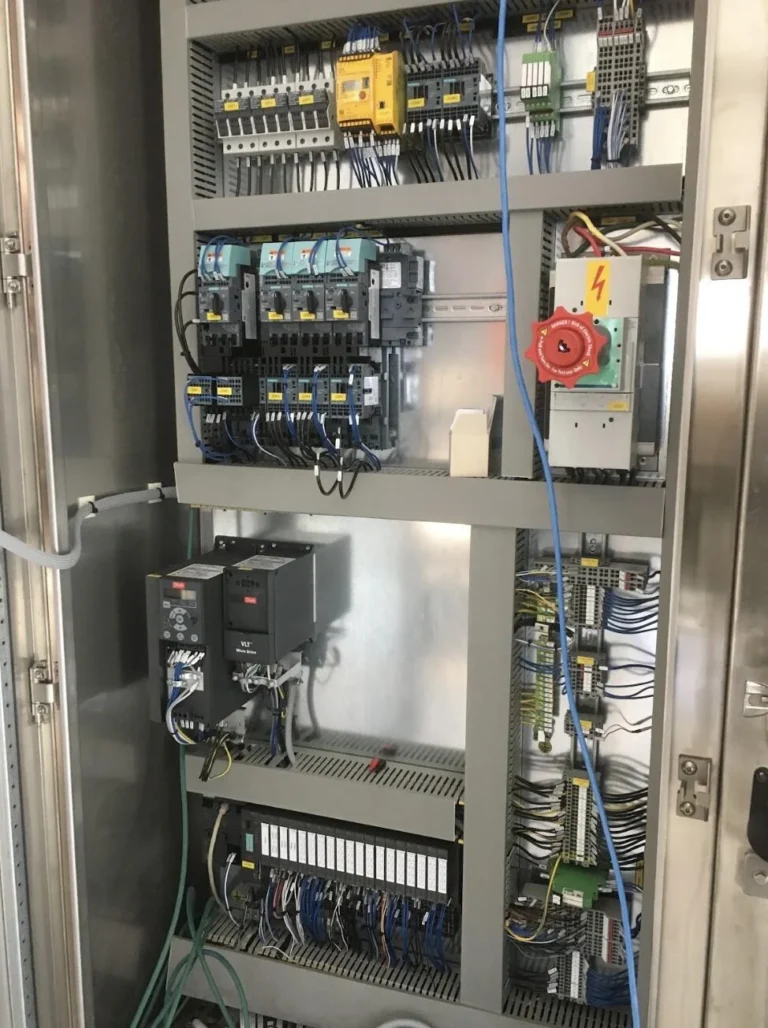
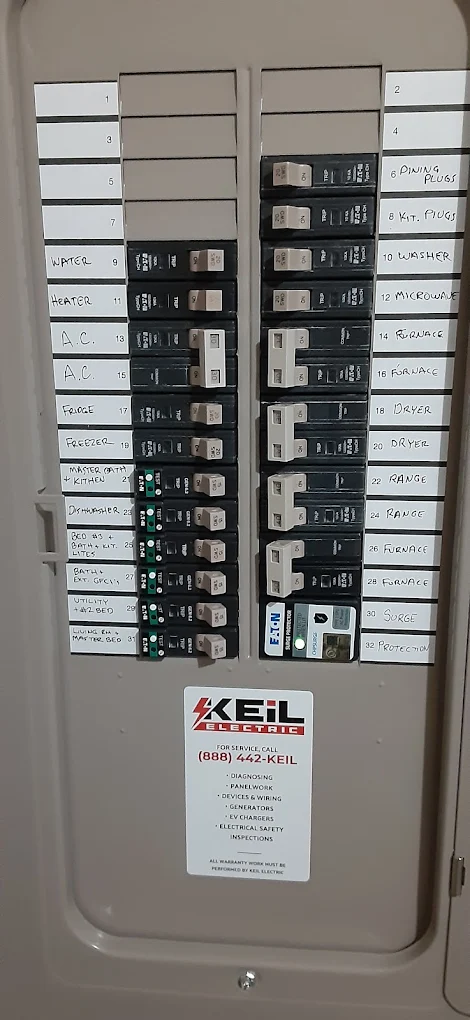
Before we quote a rewire, we need to know what is in the walls. We inspect accessible runs in attics, crawlspaces, and basements; pull a sample of outlet and switch boxes; and identify the wiring vintage and condition. The documentation goes in the file with photos so the scope and cost are based on real conditions, not estimates.
Phasing the work room-by-room

Whole-home rewires are rarely done in a single weekend with the family living in the house. We phase the work by room or zone, energize new circuits before de-energizing old ones, and coordinate with any drywall or finish work happening alongside. The result is a rewire the homeowner can live through without losing power for days.

What we replace

Knob-and-tube (pre-1950, ungrounded, documented fire and insurance risk). Aluminum branch wiring at 12 and 14 AWG (1965-1973, terminations expand and contract until they fail). Aged Romex with brittle insulation (typically pre-1980 cable with degraded jacket). Cloth-jacket BX with rubber insulation. We replace with current-code Romex (NM-B) or MC where required.

Inspection before drywall closes

Every jurisdiction we work requires a rough-in inspection before drywall covers the new wiring. We schedule any inspection, walk any inspector through the work, and pass before the cover-up trades come back. The inspection trail goes in your permit file.

03 - PROCESS

Our process

01

Site walk and documentation

Licensed electrician inspects accessible wiring, samples termination boxes, and documents the conditions with photos.

02

Written rewire scope

Room-by-room scope, cable type, breaker count, panel implications, and phasing schedule. Fixed-price quote.

03

Permits when required + rough-in

When the local AHJ requires a permit, we pull it. Permit requirements vary by district. We then run the new cable, install boxes and devices, and schedule the rough-in inspection.

04

Trim, cover-up, final

After drywall closes, we trim out devices and fixtures, energize, and call for final inspection.

  Permits

Permits and inspections

Not every job requires a permit. When the local AHJ requires one, we pull it, schedule the inspection, and stay with the job until it passes. No paperwork on you.

  Warranty

What's covered

Written warranty: 5-year on outlets, fixtures, and EV chargers; 10-year on wire and breakers; lifetime on panelboxes and surge protection. Parts and labor. Transfers with the home.

  Safety

Safety notes

Knob-and-tube wiring in homes built before 1950 is a documented insurance and fire risk when buried in insulation or modified incorrectly. Aluminum branch wiring (1965 to 1973 vintage) is a documented fire risk at outlet and switch terminations. Both warrant remediation when revealed during renovation work.

04 - PROOF · BOTH SHOPS

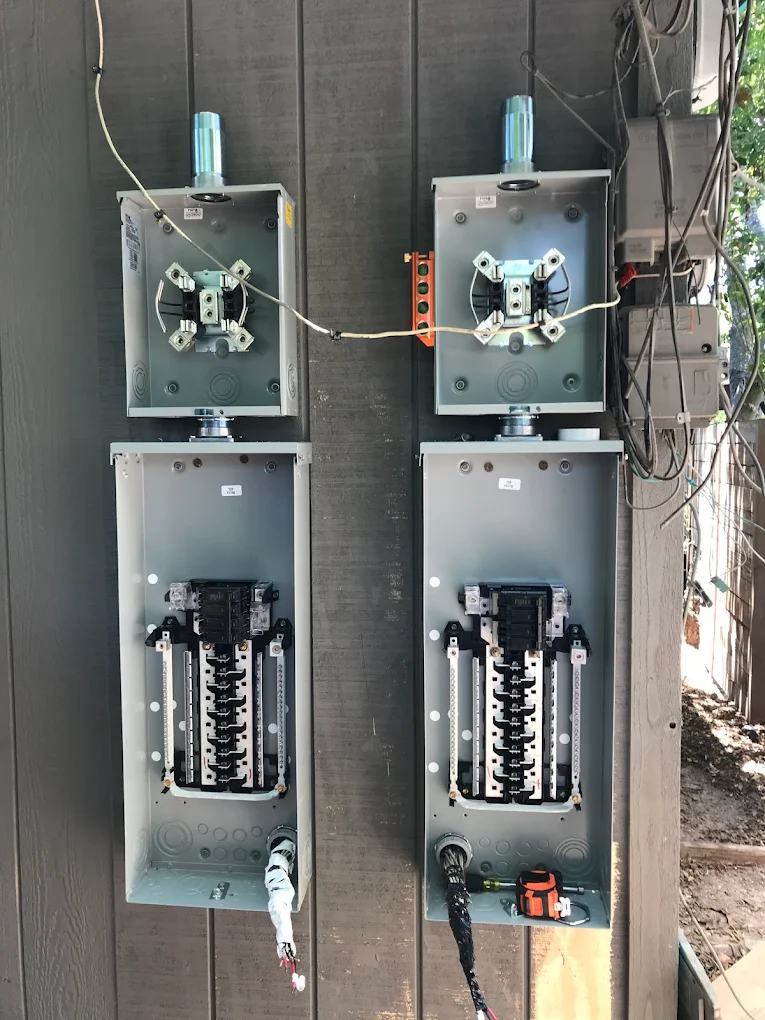
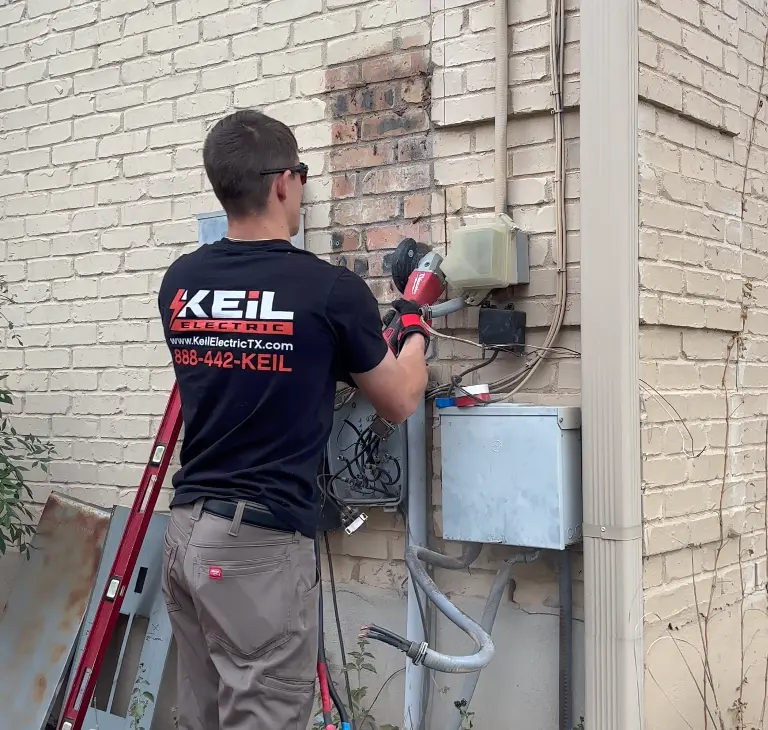
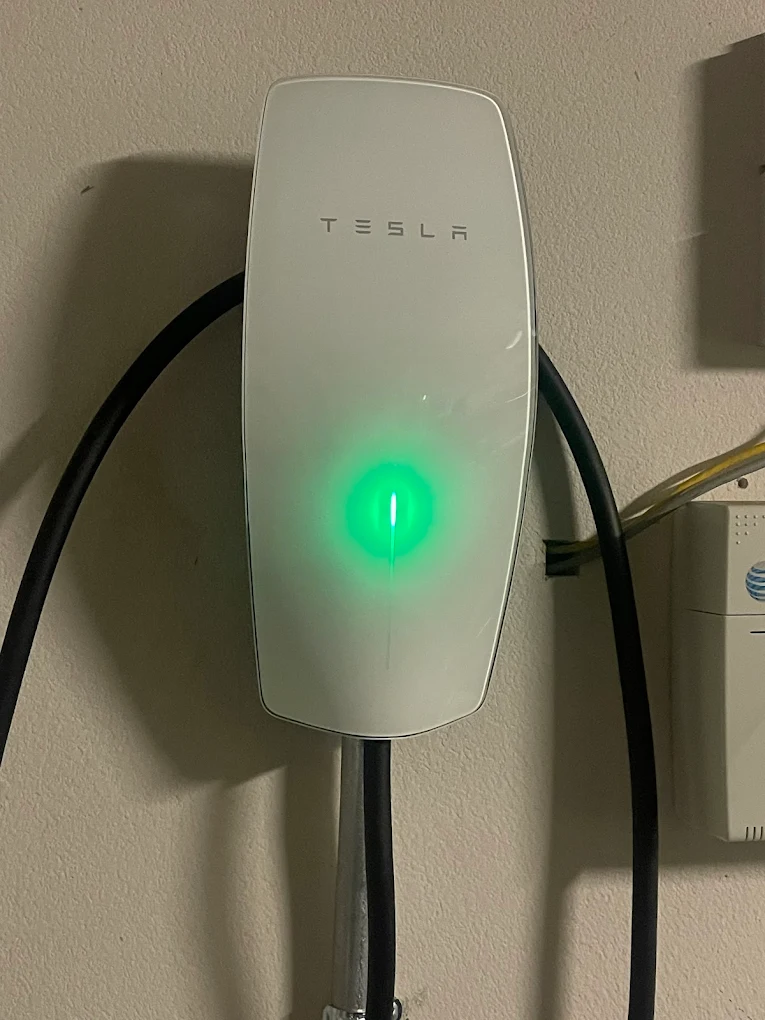
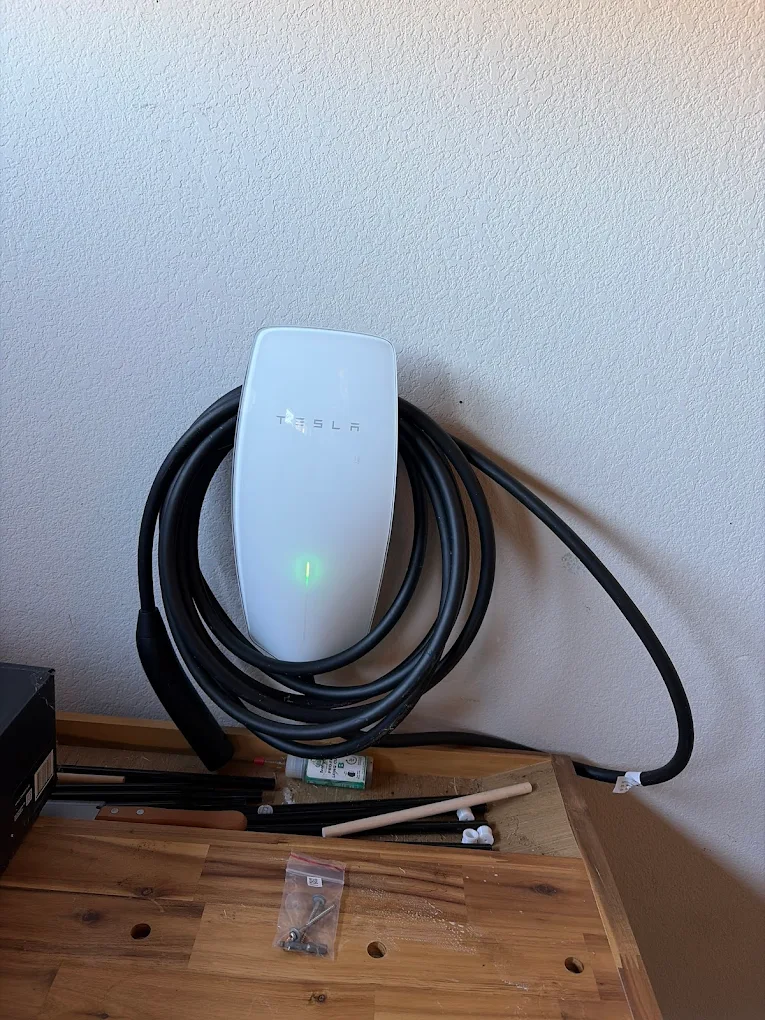
What this looks like in the field.

Real work from our San Diego and Austin shops. Same standards, same warranty, every job.

05 - WHO TO HIRE

Why hiring a licensed electrician matters.

For home electrical rewiring, here's the honest comparison. We'd tell you the same thing if we weren't trying to win the job.

Keil Electric

A licensed electrician

Licensed electrician walks every job. Veteran-owned, family-run.
Permits pulled and inspections coordinated when required by the AHJ
5/10-year + lifetime warranty in writing. Parts and labor. Transfers with the home.
Fully insured + workers' comp on every crew
The price you sign is the price you pay
A handyman

Unlicensed for electrical

No state electrical license. Can do simple swaps but not panel work, rewires, or service upgrades.
No permits. Work won't pass inspection if the city audits it later.
No structured warranty. "Call me if something breaks" isn't enforceable.
If something they did causes a fire, your homeowner's insurance can deny the claim.
Cash discount may show up on the invoice.
DIY

Doing it yourself

Cheap, but only if everything goes right. Most electrical work involves load calc, code, and permitting.
A failed inspection means redoing the work. Selling the home later, the buyer's inspector flags it.
No warranty if something fails. Replacement is on you.
Live wiring is a real safety hazard. Most fatal home electrical accidents are DIY.
If you know what you're doing, fine. If you don't, call us first.
06 - BEFORE YOU CALL

How to know when it is time, and what to expect.

When to bring us in for home electrical rewiring

Most home electrical rewiring calls start when the homeowner is planning ahead: a renovation, an addition, an EV charger, a generator, a panel upgrade, or any project where the existing electrical needs to be sized correctly for the new load. The earlier we walk the property, the cleaner the project sequencing. Bringing us in before the drywall closes saves rework. Bringing us in before the contract is signed with the GC saves scope confusion. We are happy to walk a property at the planning stage even if the install is still months out.

What we look at on the first visit

A walk of the property with attention to the panel (age, capacity, available breaker space), conduit accessibility, attic / crawlspace conditions, and the load picture (current loads + planned future loads). For installs that touch the service drop, we factor utility coordination from the start. The estimate we leave with is fixed for the scope as walked. Change orders only happen for genuinely new findings during the work, you hear about them before we proceed.

Whole-home rewiring is a major investment and the most disruptive electrical work a property owner takes on. Done right, it eliminates a known failure mode in the property and resets the wiring lifecycle for the next forty to fifty years. Done wrong, it leaves the homeowner with finish damage, a permit that never closed, and circuits that pass inspection but were not documented.

The vintages we see most often

Pre-1950 knob-and-tube, with the porcelain insulators visible in the attic. 1965 to 1973 aluminum branch wiring, identifiable by stamped “AL” on the cable jacket and silver-colored conductors. 1970s and earlier Romex with cloth braid jacket and rubber insulation, which gets brittle and crumbles. Each one has a different failure profile and a different remediation strategy.

Why partial rewires fail

Owners sometimes ask for a “kitchen-only” or “first-floor-only” rewire to manage cost. We will do partial rewires, but we will say in writing what is being left behind and why. The risk is leaving aged wiring on circuits that are easy to forget about (attic lighting, exterior receptacles, the back of a basement) and having a fire start there years after the rewire is forgotten.

Common questions about home electrical rewiring

How much does a whole-home rewire cost?

Cost is driven by square footage, accessibility (slab vs basement vs crawl), wall finish (drywall vs plaster), the number of circuits and devices, and panel work. Whole-home rewires on older homes typically run a meaningful project, and we quote in writing per room before any work begins.

How long does a rewire take?

Rough-in for a typical 2,000 sq ft home with reasonable access is one to two weeks. Trim, drywall coordination, and inspections add another one to two weeks. Larger or harder-access homes run longer. We give you a real schedule before we start.

Do I need to move out during a rewire?

Usually no. We phase the work so power stays on in occupied rooms and outages are scheduled. Larger homes can be rewired while the homeowner stays in place.

Will my insurance require this?

Many insurance carriers will not write or renew a homeowner policy on a house with active knob-and-tube or aluminum branch wiring. If your carrier flagged your wiring, we provide a remediation report after the rewire so the policy can be renewed.

Do you have to open every wall?

Not necessarily. Where access is available from above (attic) or below (crawlspace, basement), we can fish new cable without opening drywall. In modern slab-on-grade homes with insulated attics, more wall openings are usually required. We map the access path during the site walk.

08 - REQUEST

Planning a rewire?

A licensed licensed electrician walks the property, documents existing conditions, and writes a room-by-room rewire scope with phasing and cost. The quote you sign is the bill you pay.

Request an estimate.

A licensed electrician walks the job, tells you what needs doing, and the price in writing.

Request received.

Thanks. We got your request and the local team will be in touch soon.

[ WHENEVER YOU'RE READY ]

Ready when you are.
A real person on the local team will reply.