POWER PERKS Front-of-line dispatch, annual safety check, member-only pricing. Get 5% Off All Services with Power Perks Learn more →
CA LIC #1109913 · TX LIC #40645 · BONDED · INSURED 24/7 EMERGENCY SERVICE
[ BRAND SERVICE ] BOTH SHOPS

NEW WIRING

Electrical Wiring Installation

New circuit installation for additions, remodels, finished basements, and dedicated equipment. Licensed work, in writing.

BOTH SHOPS COVER THIS
Electrical Wiring Installation
Licensed · 5/10/Lifetime written warranty
Licensed electrician on every job. Veteran-owned, family-run.
5-year, 10-year & lifetime warranty on the install. Parts and labor. Stays with the house.
After-hours emergency dispatch. A real person on the line, not a robot.
Direct answer

Keil Electric installs new electrical wiring for additions, remodels, finished basements, garage workshops, ADUs, and dedicated equipment circuits across San Diego County and the Austin metro. We size the conductor, route the run, install boxes and devices, and pull the permit where required.

Part of Electrical Wiring and Rewiring Licensed service across both shops
02 - HOW THIS WORKS

How electrical wiring installation works.

Sizing the circuits

Every new circuit gets sized to the actual load. EV charger circuits are 50A or 60A on 6 AWG copper. Range circuits are 50A. Dryer circuits are 30A. General-purpose receptacles are 20A on 12 AWG. Lighting is typically 15A on 14 AWG. We confirm the load and protect with the right breaker, not "whatever was already in the panel."
Routing the runs

Cable routes follow code: stapled within 12 inches of boxes, supported every 4.5 feet, protected with nail plates where the cable is within 1.25 inches of a stud face. We run cable in straight, perpendicular paths from boxes to box, not draped diagonally. The route gets documented so future drywall hangers know where the cable is.

Box selection and device prep

Each new outlet, switch, fixture, or junction gets the right box: deep boxes for switches with multiple gangs, weather-resistant boxes outdoors, ceiling-rated boxes for fans, vapor-rated where required. The box gets stubbed flush with the finished wall and the cable is properly secured before drywall.

Permit and inspection

New circuit work that touches the panel typically requires a permit. We pull it, schedule the rough-in inspection before drywall, complete the trim work after, and call for final inspection. The permit closes when the inspector signs off.

03 - PROCESS

Our process

01

Project walk

We walk the addition, remodel, or new-circuit scope with you to confirm what is being installed.

02

Written scope

Circuit list, cable type, device counts, panel work, and permit cost. Fixed-price quote.

03

Rough-in

Cable runs, boxes, panel circuits installed, ready for inspection before drywall.

04

Inspection and trim

Rough the work is complete, drywall closes, then we trim out devices and call for final.

  Permits

Permits and inspections

Not every job requires a permit. When the local AHJ requires one, we pull it, schedule the inspection, and stay with the job until it passes. No paperwork on you.

  Warranty

What's covered

Written warranty: 5-year on outlets, fixtures, and EV chargers; 10-year on wire and breakers; lifetime on panelboxes and surge protection. Parts and labor. Transfers with the home.

  Safety

Safety notes

New wiring runs are inspected before drywall closes. We schedule the rough-in inspection and walk any inspector through the work to keep the project on schedule.

04 - PROOF · BOTH SHOPS

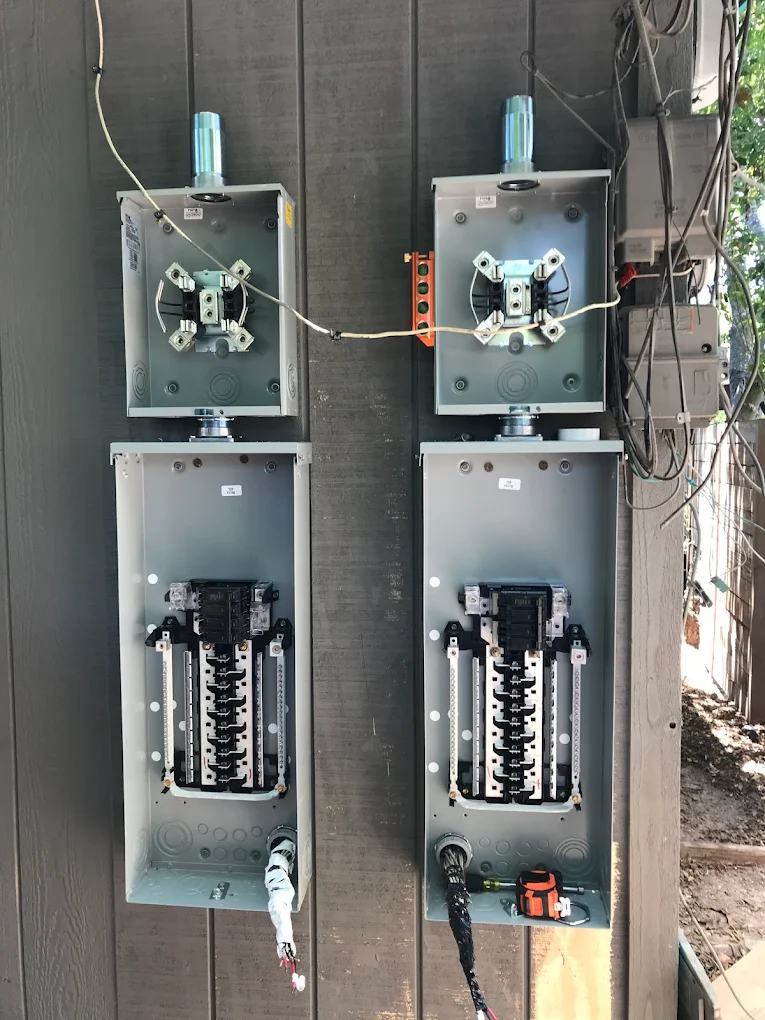
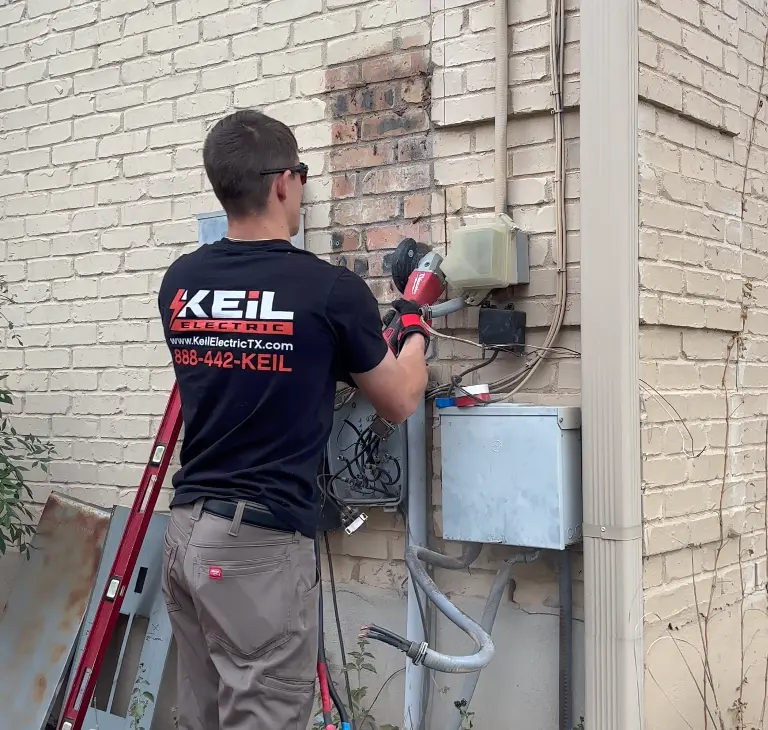
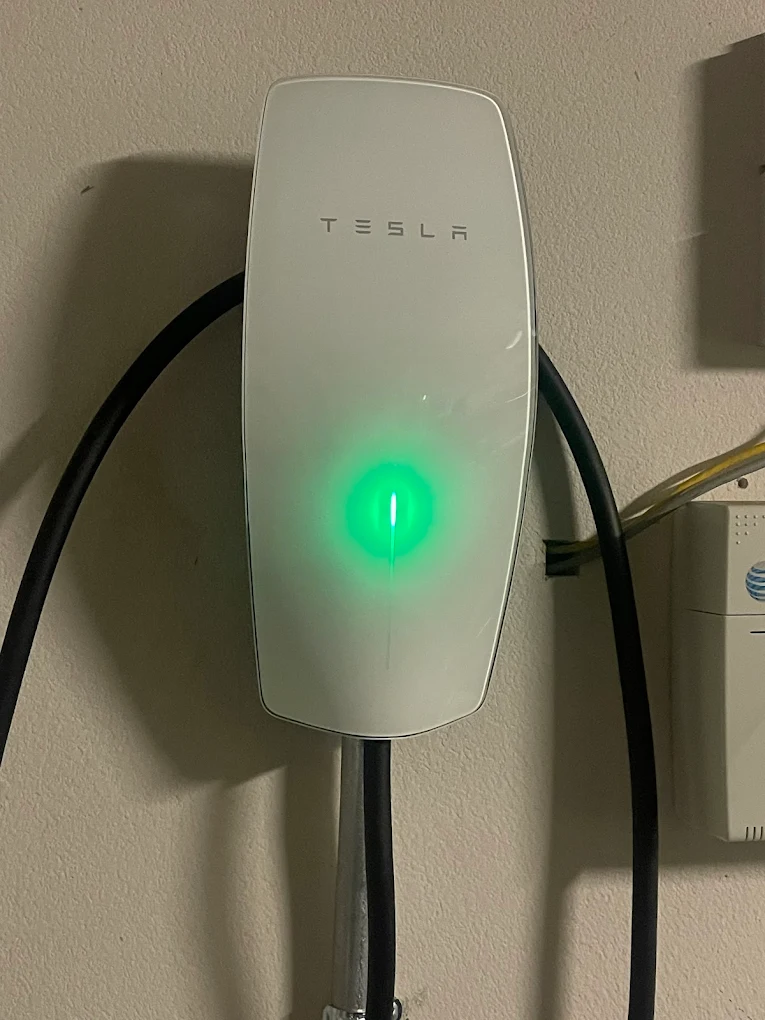
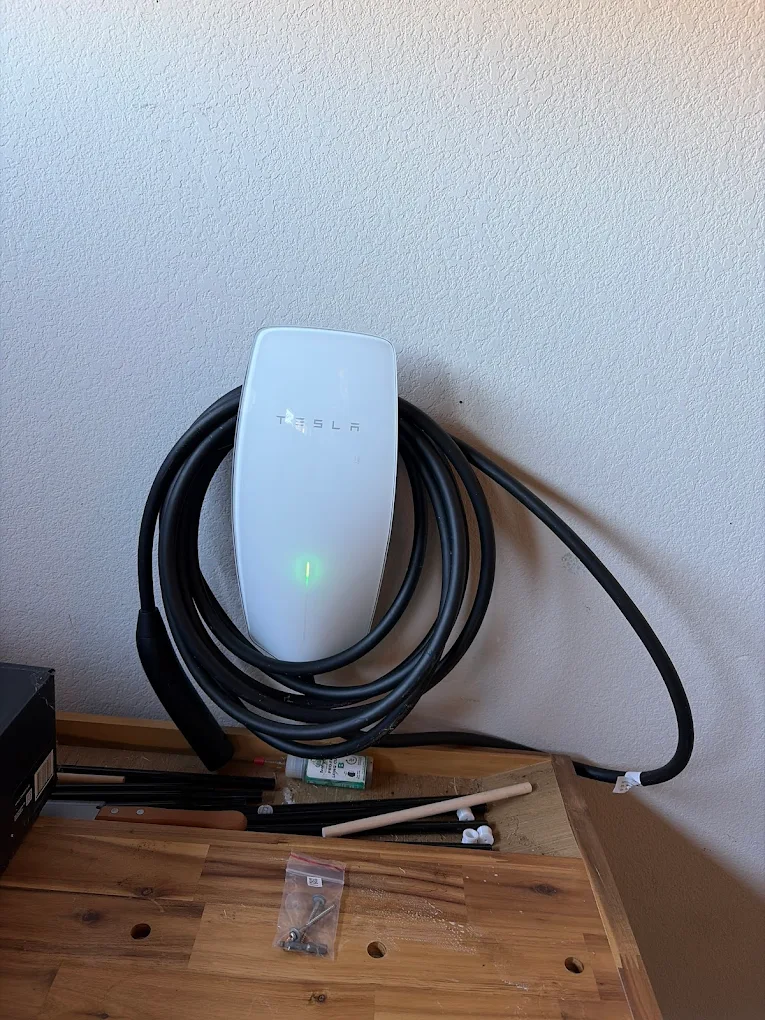
What this looks like in the field.

Real work from our San Diego and Austin shops. Same standards, same warranty, every job.

05 - WHO TO HIRE

Why hiring a licensed electrician matters.

For electrical wiring installation, here's the honest comparison. We'd tell you the same thing if we weren't trying to win the job.

Keil Electric

A licensed electrician

Licensed electrician walks every job. Veteran-owned, family-run.
Permits pulled and inspections coordinated when required by the AHJ
5/10-year + lifetime warranty in writing. Parts and labor. Transfers with the home.
Fully insured + workers' comp on every crew
The price you sign is the price you pay
A handyman

Unlicensed for electrical

No state electrical license. Can do simple swaps but not panel work, rewires, or service upgrades.
No permits. Work won't pass inspection if the city audits it later.
No structured warranty. "Call me if something breaks" isn't enforceable.
If something they did causes a fire, your homeowner's insurance can deny the claim.
Cash discount may show up on the invoice.
DIY

Doing it yourself

Cheap, but only if everything goes right. Most electrical work involves load calc, code, and permitting.
A failed inspection means redoing the work. Selling the home later, the buyer's inspector flags it.
No warranty if something fails. Replacement is on you.
Live wiring is a real safety hazard. Most fatal home electrical accidents are DIY.
If you know what you're doing, fine. If you don't, call us first.
06 - BEFORE YOU CALL

How to know when it is time, and what to expect.

When to bring us in for electrical wiring installation

Most electrical wiring installation calls start when the homeowner is planning ahead: a renovation, an addition, an EV charger, a generator, a panel upgrade, or any project where the existing electrical needs to be sized correctly for the new load. The earlier we walk the property, the cleaner the project sequencing. Bringing us in before the drywall closes saves rework. Bringing us in before the contract is signed with the GC saves scope confusion. We are happy to walk a property at the planning stage even if the install is still months out.

What we look at on the first visit

A walk of the property with attention to the panel (age, capacity, available breaker space), conduit accessibility, attic / crawlspace conditions, and the load picture (current loads + planned future loads). For installs that touch the service drop, we factor utility coordination from the start. The estimate we leave with is fixed for the scope as walked. Change orders only happen for genuinely new findings during the work, you hear about them before we proceed.

New electrical wiring is the most common request we get from contractors and homeowners during renovations. The work is straightforward when the scope is sized correctly: pick the right cable, route it cleanly, install the right boxes, terminate at code-compliant devices, and pass inspection. Most of what goes wrong on this work is sizing or routing taken too lightly.

Sizing matters

An EV charger circuit is not “throw a 30A breaker on it and call it good.” It is a 40A or 50A continuous load that has to be sized at 125% of the continuous draw, with the conductor sized for the breaker, the breaker sized for the conductor, and the wire path inspected for derating factors. Same for ranges, dryers, hot tubs, and any equipment circuit. The numbers come from NEC tables, not from rules of thumb.

Why route matters

Cable routed diagonally between boxes is harder to find later, harder to patch around, and sometimes runs in places that violate code (within 1.25 inches of stud face without a nail plate, for instance). We route in straight paths, document the runs in photos, and treat the next drywall hanger as a customer who needs to know where our wire is.

Common questions about electrical wiring installation

Do I need a permit for new wiring?

In every jurisdiction we work, new circuits that originate at the panel require a permit. Adding a switch loop or extending an existing circuit sometimes does not. We confirm the permit requirement on the site walk and include it in the quote.

How long does a wiring install take?

Depends on the scope. A single new dedicated circuit is half a day. A finished-basement rough-in might be three to five days. Whole additions take longer because the schedule is paced by drywall, finish trades, and inspections.

Can you install wiring in finished walls?

Yes. We fish cable through finished walls when access is available from above or below, or by cutting strategic openings that are easy to patch. We document the openings and coordinate with whoever is patching.

Does new wiring trigger AFCI requirements?

Most new branch circuits in dwelling units are required to have AFCI protection per current NEC. We use AFCI breakers on all qualifying new circuits.

How do I know if my panel has space for new circuits?

We check available breaker spaces during the site walk. If the panel is full, options are tandem breakers (when the panel allows), a sub-panel installation, or a panel upgrade. We tell you in writing which path applies.

08 - REQUEST

Need new wiring installed?

A licensed licensed electrician walks the project, sizes the new circuits, and writes the install scope in fixed-price terms. Permit handled, written warranty on the install.

Request an estimate.

A licensed electrician walks the job, tells you what needs doing, and the price in writing.

Request received.

Thanks. We got your request and the local team will be in touch soon.

[ WHENEVER YOU'RE READY ]

Ready when you are.
A real person on the local team will reply.