POWER PERKS Front-of-line dispatch, annual safety check, member-only pricing. Get 5% Off All Services with Power Perks Learn more →
CA LIC #1109913 · TX LIC #40645 · BONDED · INSURED 24/7 EMERGENCY SERVICE
[ BRAND SERVICE ] BOTH SHOPS

PANEL REPAIR

Electrical Panel Repair

Buzzing, hot, or tripping panel? A licensed electrician opens the cover, runs the diagnostic, and quotes the actual fix in writing.

BOTH SHOPS COVER THIS
Electrical Panel Repair
Licensed · 5/10/Lifetime written warranty
Licensed electrician on every job. Veteran-owned, family-run.
5-year, 10-year & lifetime warranty on the install. Parts and labor. Stays with the house.
After-hours emergency dispatch. A real person on the line, not a robot.
Direct answer

Keil Electric repairs residential and commercial electrical panels in San Diego County and the Austin metro. We diagnose buzzing, heat, repeated tripping, scorched bus bars, and loose lugs. A licensed electrician opens the panel, runs the diagnostic, and writes a fixed-price quote before any work begins.

Part of Electrical Panels and Circuit Breakers Licensed service across both shops
02 - HOW THIS WORKS

How electrical panel repair works.

What we look at first

Symptoms drive the diagnostic. We check the bus bars for heat damage and discoloration, inspect each breaker for loose lugs and arc tracking, look for double-tapped neutrals, and confirm the main bonding jumper is intact. Then we test under load to see whether the issue is the panel itself or a downstream circuit.
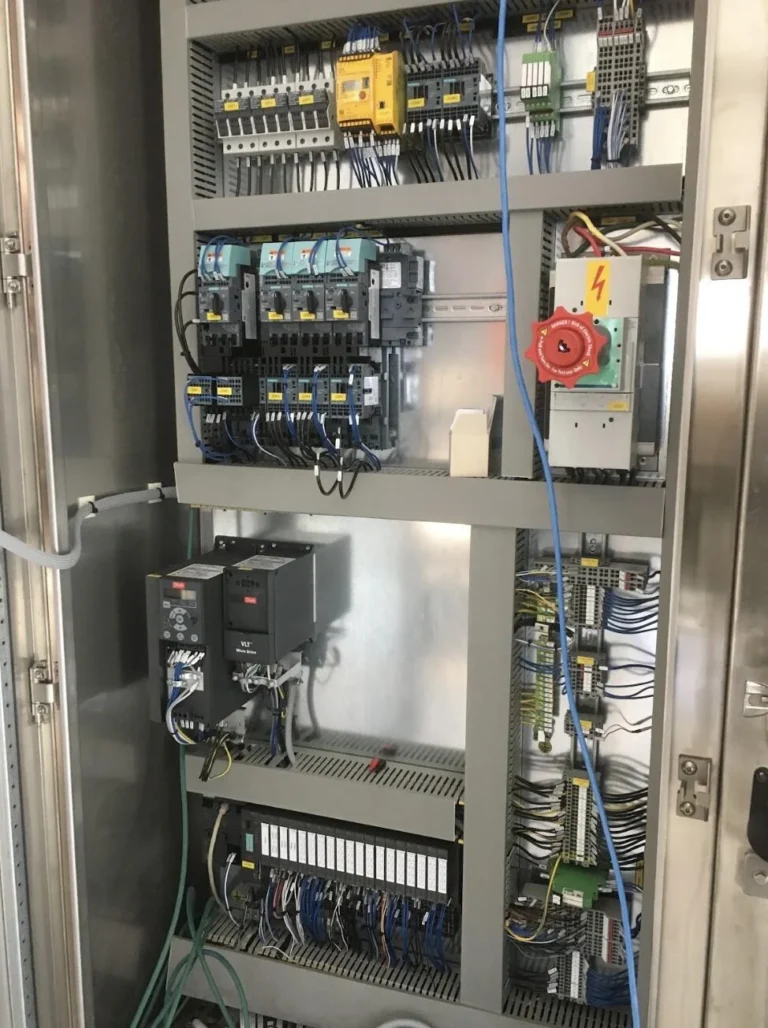
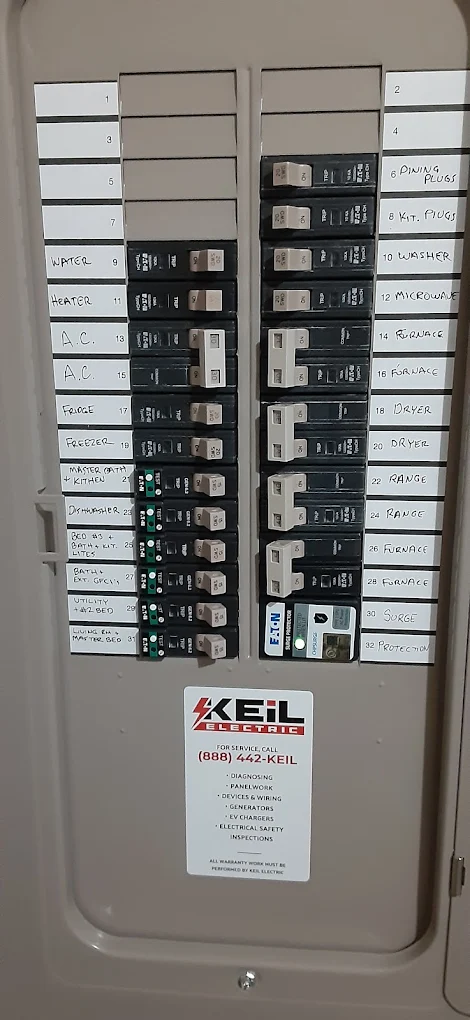
Common panel failures we see

Loose breaker connections from age and thermal cycling. Heat damage at the bus stabs, especially behind tandem breakers. Scorched neutral bars where a loose connection cooked itself. Failed main breakers that no longer trip cleanly. Federal Pacific Stab-Lok and Zinsco panels that need full replacement, not repair, because the breaker mechanism itself is unsafe.

When repair is the right call

Repair makes sense when the panel itself is sound and the failure is localized to a breaker, a single bus connection, or a loose lug. We document the repair scope, replace the bad components with manufacturer-spec parts, and re-torque every connection in the panel before closing it up.

When we recommend replacement instead

If the panel is FPE Stab-Lok, Zinsco, or any of the recalled obsolete designs, repair is unsafe. Same call when the bus bars are scorched, the panel is undersized for current load, or the manufacturer has stopped making compatible breakers. We will say so in writing and quote the replacement.

03 - PROCESS

Our process

01

Symptom intake

You describe what you are seeing or smelling. We confirm the urgency level on the call and schedule accordingly.

02

On-site diagnostic

A licensed electrician arrives, opens the panel, and runs the inspection under power-down where required.

03

Written quote

We write the repair scope, parts list, and labor in fixed terms. You sign before any work begins.

04

Repair and re-test

We replace the bad components, re-torque every connection, and verify the panel under load before closing the cover.

  Permits

Permits and inspections

Not every job requires a permit. When the local AHJ requires one, we pull it, schedule the inspection, and stay with the job until it passes. No paperwork on you.

  Warranty

What's covered

Written warranty: 5-year on outlets, fixtures, and EV chargers; 10-year on wire and breakers; lifetime on panelboxes and surge protection. Parts and labor. Transfers with the home.

  Safety

What we check before recommending a fix

A panel that smells like burning plastic, runs hot to the touch, or makes audible buzzing is a fire risk. Stop using the affected circuits and call us. Do not pull the panel cover yourself if you smell smoke.

04 - PROOF · BOTH SHOPS

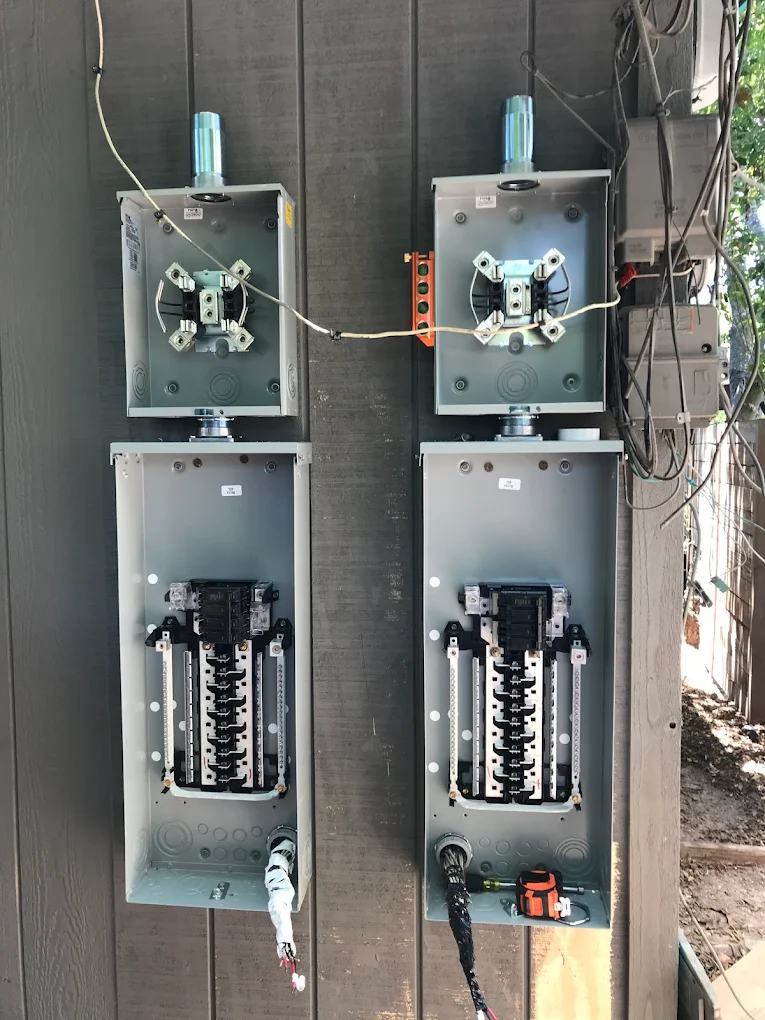
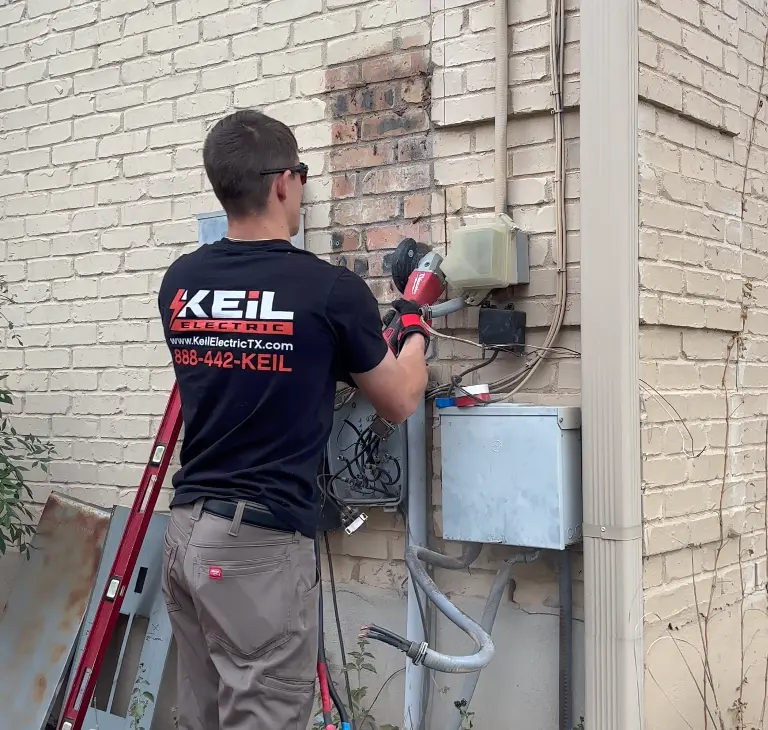
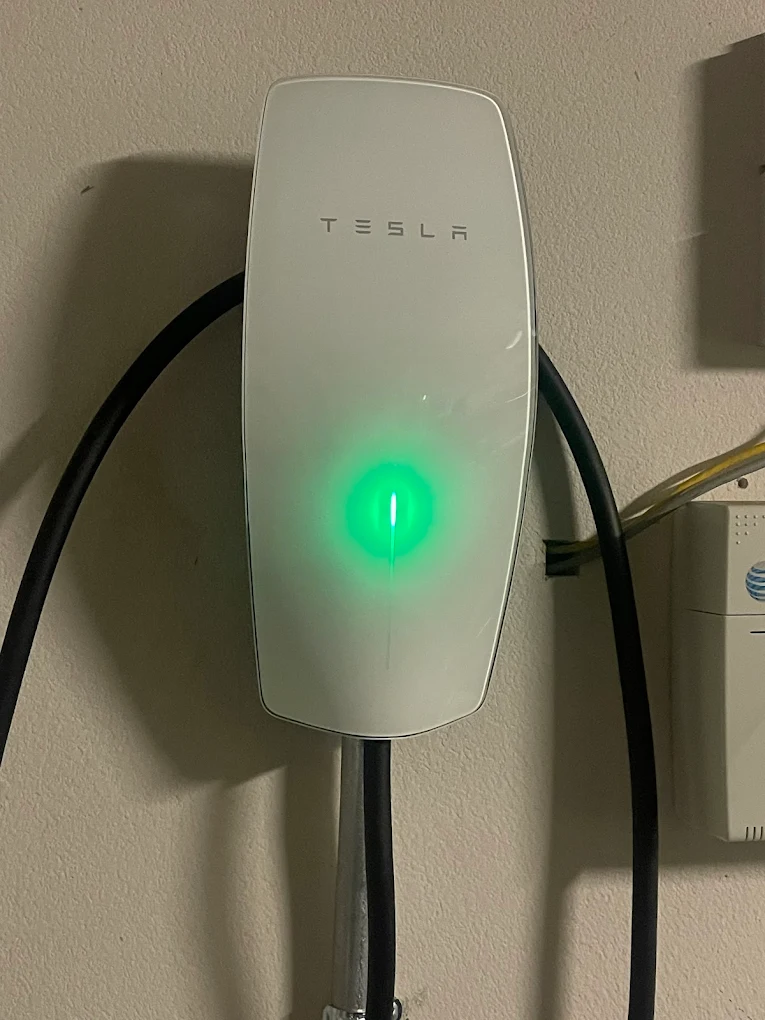
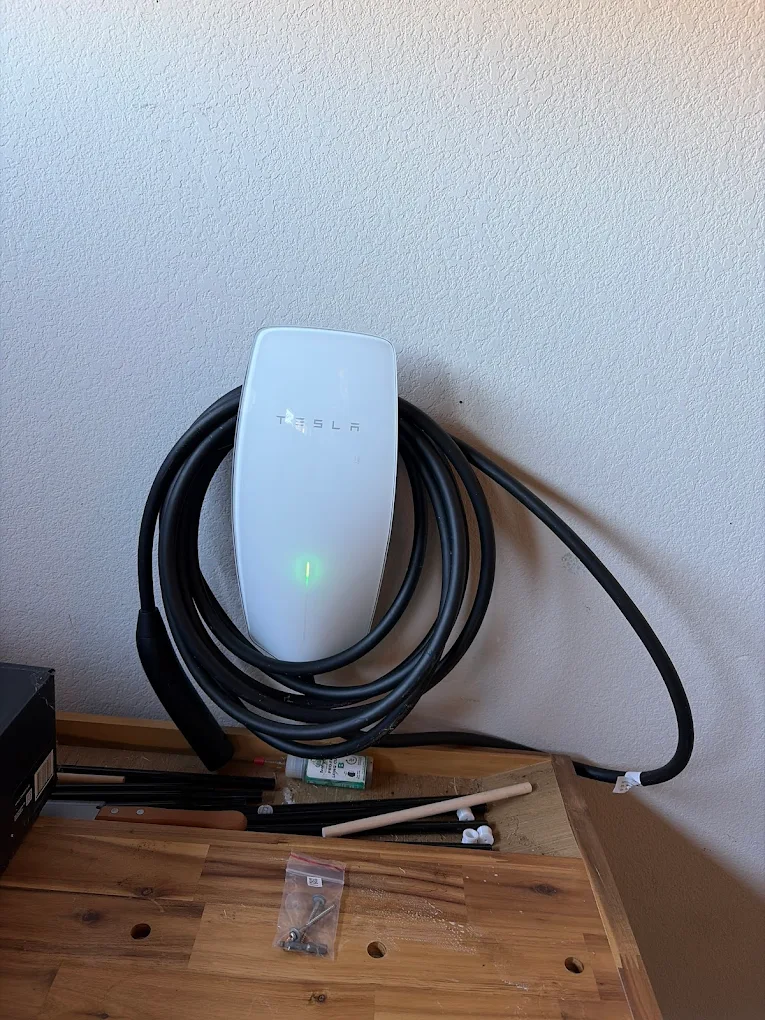
What this looks like in the field.

Real work from our San Diego and Austin shops. Same standards, same warranty, every job.

05 - WHO TO HIRE

Why hiring a licensed electrician matters.

For electrical panel repair, here's the honest comparison. We'd tell you the same thing if we weren't trying to win the job.

Keil Electric

A licensed electrician

Licensed electrician walks every job. Veteran-owned, family-run.
Permits pulled and inspections coordinated when required by the AHJ
5/10-year + lifetime warranty in writing. Parts and labor. Transfers with the home.
Fully insured + workers' comp on every crew
The price you sign is the price you pay
A handyman

Unlicensed for electrical

No state electrical license. Can do simple swaps but not panel work, rewires, or service upgrades.
No permits. Work won't pass inspection if the city audits it later.
No structured warranty. "Call me if something breaks" isn't enforceable.
If something they did causes a fire, your homeowner's insurance can deny the claim.
Cash discount may show up on the invoice.
DIY

Doing it yourself

Cheap, but only if everything goes right. Most electrical work involves load calc, code, and permitting.
A failed inspection means redoing the work. Selling the home later, the buyer's inspector flags it.
No warranty if something fails. Replacement is on you.
Live wiring is a real safety hazard. Most fatal home electrical accidents are DIY.
If you know what you're doing, fine. If you don't, call us first.
06 - BEFORE YOU CALL

How to know when it is time, and what to expect.

When to bring us in for electrical panel repair

Most electrical panel repair calls fall into one of three patterns: a single component failed and the symptom is obvious, a slowly degrading connection finally tripped or stopped working, or a previous repair (yours, a handyman, or a prior contractor) was never quite correct and the underlying issue surfaced again. If the symptom involves smoke, sparks, burning smell, or a panel that is hot to the touch, do not wait. Call the local shop. Active hazards get same-day dispatch when capacity allows. Routine repairs go on the next-available slot, usually inside the same week.

What we look at on the first visit

The first 20 to 30 minutes is observation and diagnosis: walk the symptom with you, check the panel for related issues, trace the affected circuit, identify the actual root cause rather than the easy answer. Most electrical panel repair issues sit somewhere other than where the symptom shows up (lights flicker because of a loose connection at the panel, an outlet stops working because of a backstab failure on the next outlet downstream). The diagnostic is the actual job, the price reflects that. We write the scope after the diagnosis, not before.

An electrical panel is the safety hub of your house or building. When it fails, every circuit downstream is affected. We get panel repair calls weekly across both shops, and the symptoms cluster into a handful of categories: buzzing, heat, repeated breaker trips, partial power loss, and visible damage. Each one tells us something different about what is happening inside the panel.

Symptoms and what they mean

A buzz at the panel almost always means a loose connection somewhere. Heat means resistance, which means a connection that is no longer tight enough to carry the current cleanly. Breakers that trip immediately under no load are usually failed breakers, not overloaded circuits. Breakers that trip under specific loads tell us the circuit itself or the connected equipment is the problem, not the panel.

Brand-specific issues we look for

Federal Pacific Stab-Lok and Zinsco panels are well-documented failures. The breakers do not trip reliably, which means a fault in the house can run the wire hot until something melts. We do not repair these. We replace them. Square D, Eaton, GE, and Siemens panels are usually repairable when a single component fails, with manufacturer-spec replacement parts.

What the diagnostic includes

We pull the dead-front cover. We inspect every breaker for arc tracking and lug heat damage. We check bus bar condition. We confirm the main bonding jumper, the grounding electrode connection, and the neutral bar are correct. We test the main breaker. We measure current under load on the bigger circuits. Then we tell you what we found and what it costs to fix.

Common questions about electrical panel repair

Is a buzzing electrical panel dangerous?

A panel that buzzes audibly is failing. The buzz is usually a loose connection arcing inside the panel. That can scorch bus bars, melt insulation, or start a fire. Stop using the panel and call a licensed electrician.

Can a panel be repaired or does it always need replacement?

It depends. Loose lugs, single bad breakers, and minor heat damage are repairable. Scorched bus bars, FPE Stab-Lok or Zinsco panels, undersized service, or panels with unavailable parts need full replacement. We tell you which path applies in writing.

How much does panel repair cost?

It depends on what failed. A single bad breaker is a smaller repair. Bus bar damage or main breaker replacement runs higher. We quote in writing after a diagnostic visit so you know the number before any work happens.

Do I need a permit for panel repair?

Permit requirements vary by city and by scope. Component-level repairs typically do not require a permit. Anything that touches the service entrance or main breaker usually does. We confirm the permit path on the call and include it in the quote when applicable.

How long does panel repair take?

Most localized panel repairs are completed in two to four hours, including the diagnostic and re-test. Complex repairs that involve utility coordination or service-entrance work can run a day. We give you a real time estimate before starting.

08 - REQUEST

Need an electrical panel repaired?

Tell us what is happening at the panel and a licensed electrician schedules a diagnostic visit. The quote you sign is the bill you pay, backed by our written warranty.

Send a request.

A licensed electrician walks the job, tells you what needs doing, and the price in writing.

Request received.

Thanks. We got your request and the local team will be in touch soon.

[ WHENEVER YOU'RE READY ]

Ready when you are.
A real person on the local team will reply.