POWER PERKS Front-of-line dispatch, annual safety check, member-only pricing. Get 5% Off All Services with Power Perks Learn more →
CA LIC #1109913 · TX LIC #40645 · BONDED · INSURED 24/7 EMERGENCY SERVICE
[ BRAND SERVICE ] BOTH SHOPS

BREAKER REPAIR

Circuit Breaker Repair

Breaker that trips immediately, will not reset, or feels hot? A licensed electrician diagnoses the failure mode and quotes the fix in writing.

BOTH SHOPS COVER THIS
Circuit Breaker Repair
Licensed · 5/10/Lifetime written warranty
Licensed electrician on every job. Veteran-owned, family-run.
5-year, 10-year & lifetime warranty on the install. Parts and labor. Stays with the house.
After-hours emergency dispatch. A real person on the line, not a robot.
Direct answer

Keil Electric diagnoses and repairs failed circuit breakers across San Diego County and the Austin metro. We test the breaker under load, distinguish a bad breaker from an overloaded circuit or a downstream fault, and replace the breaker with a manufacturer-spec part. Licensed work, written warranty.

Part of Electrical Panels and Circuit Breakers Licensed service across both shops
02 - HOW THIS WORKS

How circuit breaker repair works.

Diagnosing the trip cause

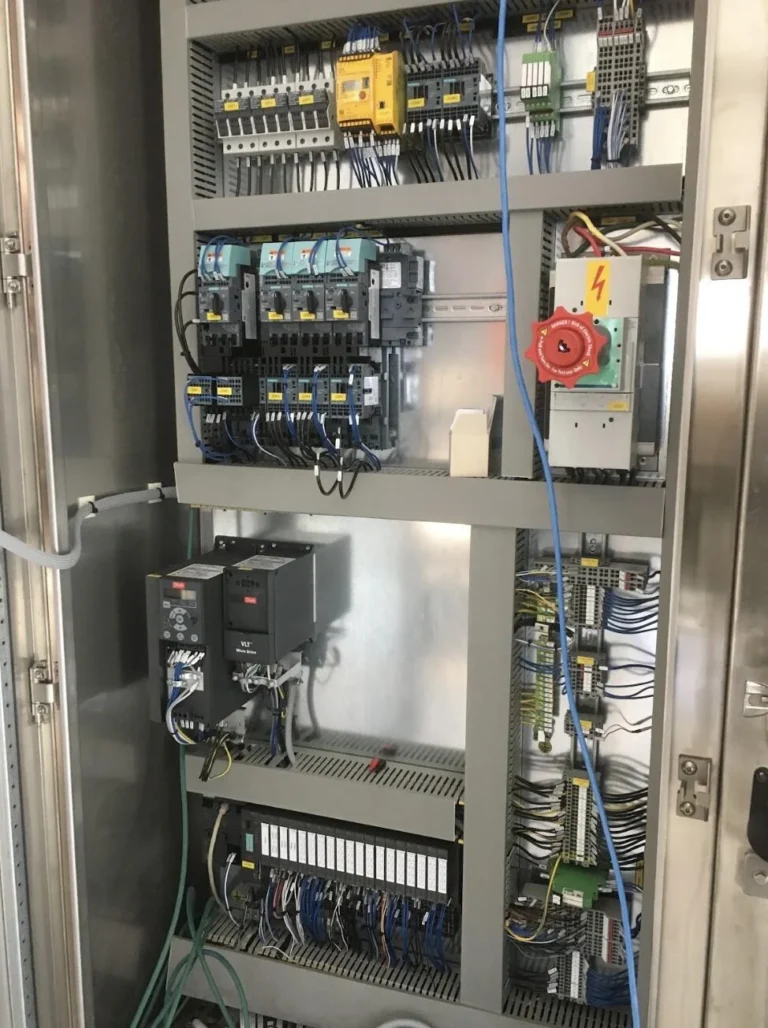
The breaker is doing its job by tripping. The question is why. We test the breaker mechanism itself, then test the downstream circuit for shorts, ground faults, overloads, and arc faults. Sometimes the breaker is bad. Sometimes the circuit is overloaded. Sometimes a single device on the circuit has failed and is shorting.
When the breaker is bad

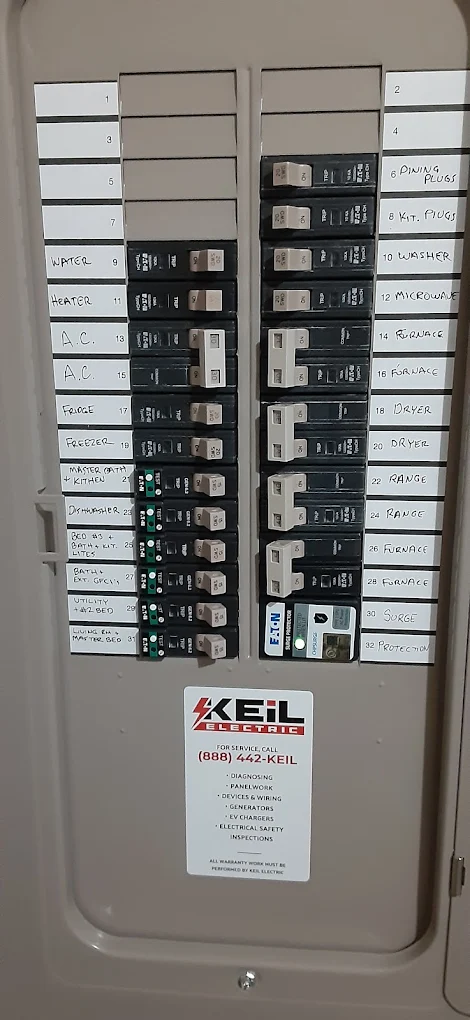
Breakers fail mechanically. The internal trip mechanism gets sluggish from heat cycling, the contacts pit from years of arcing, or the case warps. We replace the breaker with a manufacturer-spec part (the panel brand matters, since cross-brand swapping voids the panel listing) and re-test.

When the circuit is the problem

If the breaker tests good, we move downstream. We isolate each device on the circuit and check for shorts, find loose connections at outlets and switches, and look for damaged Romex behind drywall where a nail or screw has hit the cable. The fix is the underlying issue, not a breaker swap.

AFCI and GFCI breaker quirks

AFCI breakers (arc fault) and GFCI breakers (ground fault) trip on different conditions than standard breakers. Nuisance trips on these are common with certain loads (large motors, switching power supplies, older lighting). We diagnose the actual fault vs the nuisance and recommend the right path.

03 - PROCESS

Our process

01

Trip-history intake

You describe what is on the circuit, what triggers the trip, and how often. That narrows the diagnostic before we arrive.

02

Breaker test and circuit isolation

We test the breaker on the bench, then isolate the circuit to find the fault location.

03

Written repair scope

We write what is wrong, what we are replacing, and the cost. You sign before we work.

04

Repair and verify

We make the repair, restore the circuit, and verify the breaker holds under the original load condition that triggered the trip.

  Permits

Permits and inspections

Not every job requires a permit. When the local AHJ requires one, we pull it, schedule the inspection, and stay with the job until it passes. No paperwork on you.

  Warranty

What's covered

Written warranty: 5-year on outlets, fixtures, and EV chargers; 10-year on wire and breakers; lifetime on panelboxes and surge protection. Parts and labor. Transfers with the home.

  Safety

What we check before recommending a fix

A breaker that trips immediately on reset is doing its job. Continuing to reset it can ignite an overloaded conductor or a faulted device. Stop resetting it. We diagnose what is causing the trip and address the underlying issue, not just swap the breaker.

04 - PROOF · BOTH SHOPS

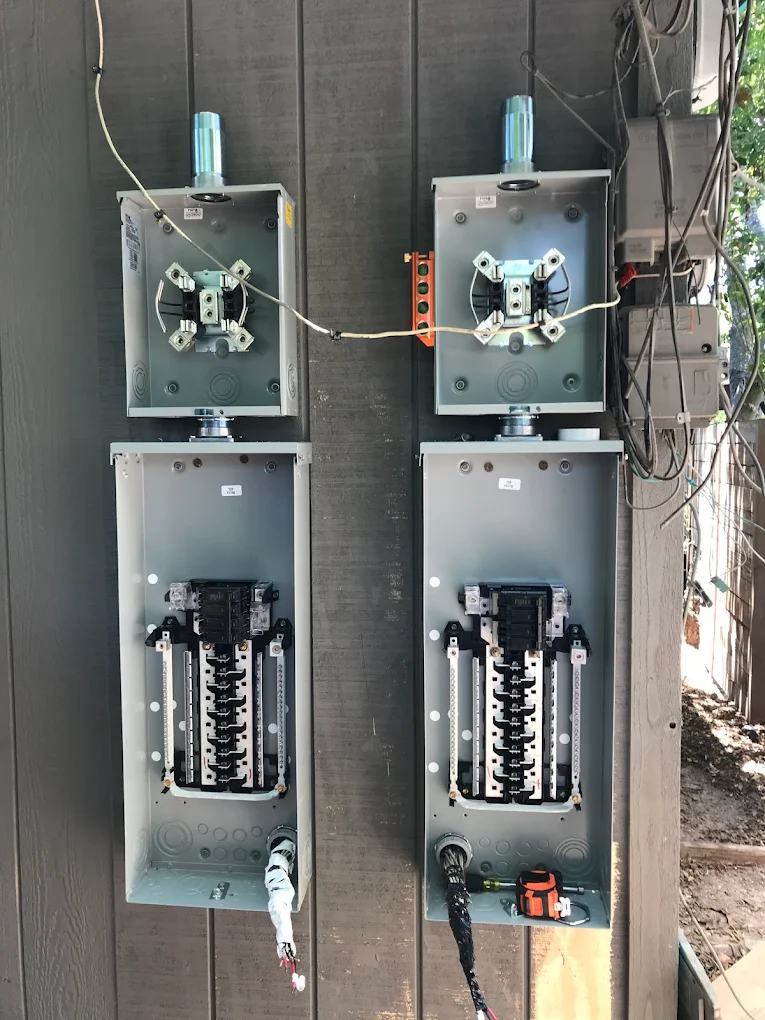
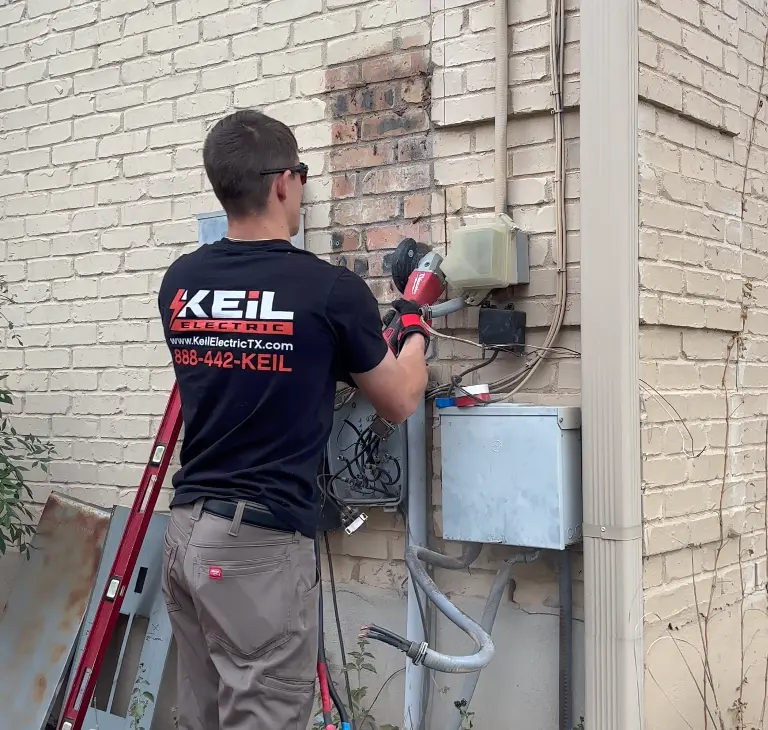
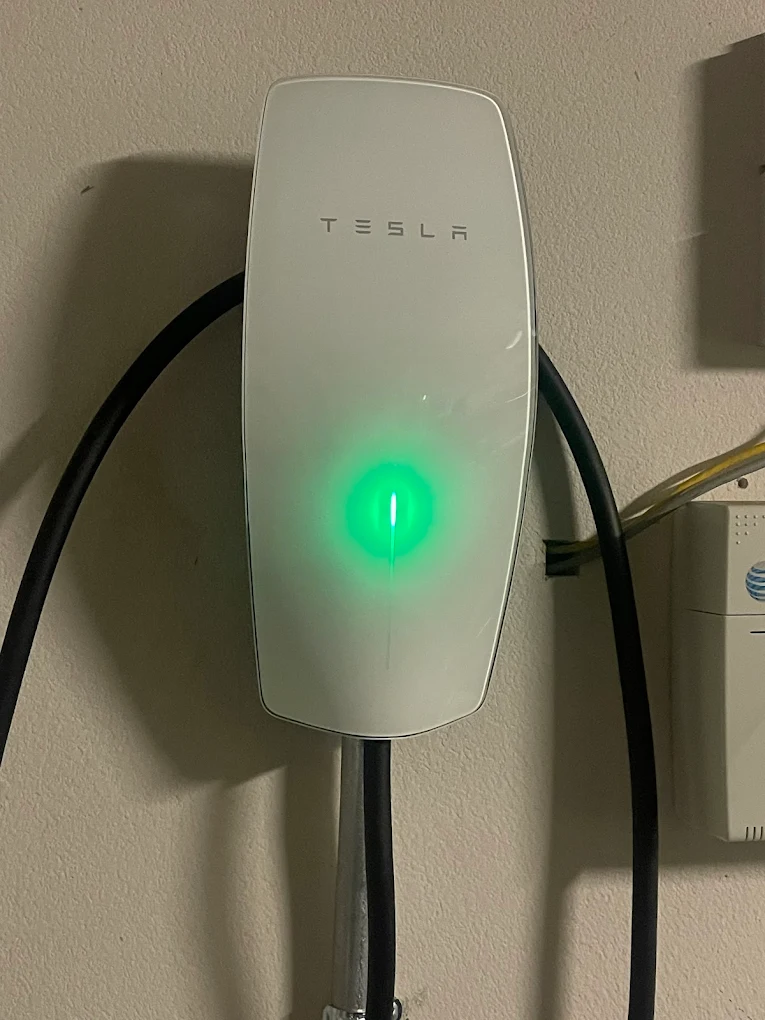
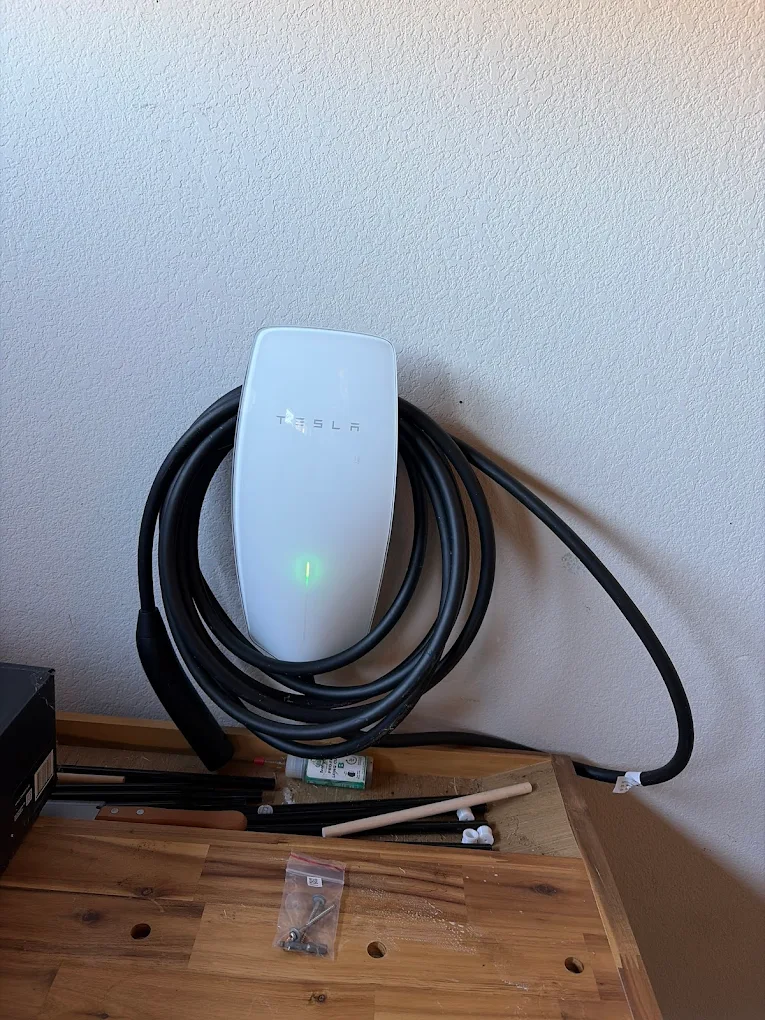
What this looks like in the field.

Real work from our San Diego and Austin shops. Same standards, same warranty, every job.

05 - WHO TO HIRE

Why hiring a licensed electrician matters.

For circuit breaker repair, here's the honest comparison. We'd tell you the same thing if we weren't trying to win the job.

Keil Electric

A licensed electrician

Licensed electrician walks every job. Veteran-owned, family-run.
Permits pulled and inspections coordinated when required by the AHJ
5/10-year + lifetime warranty in writing. Parts and labor. Transfers with the home.
Fully insured + workers' comp on every crew
The price you sign is the price you pay
A handyman

Unlicensed for electrical

No state electrical license. Can do simple swaps but not panel work, rewires, or service upgrades.
No permits. Work won't pass inspection if the city audits it later.
No structured warranty. "Call me if something breaks" isn't enforceable.
If something they did causes a fire, your homeowner's insurance can deny the claim.
Cash discount may show up on the invoice.
DIY

Doing it yourself

Cheap, but only if everything goes right. Most electrical work involves load calc, code, and permitting.
A failed inspection means redoing the work. Selling the home later, the buyer's inspector flags it.
No warranty if something fails. Replacement is on you.
Live wiring is a real safety hazard. Most fatal home electrical accidents are DIY.
If you know what you're doing, fine. If you don't, call us first.
06 - BEFORE YOU CALL

How to know when it is time, and what to expect.

When to bring us in for circuit breaker repair

Most circuit breaker repair calls fall into one of three patterns: a single component failed and the symptom is obvious, a slowly degrading connection finally tripped or stopped working, or a previous repair (yours, a handyman, or a prior contractor) was never quite correct and the underlying issue surfaced again. If the symptom involves smoke, sparks, burning smell, or a panel that is hot to the touch, do not wait. Call the local shop. Active hazards get same-day dispatch when capacity allows. Routine repairs go on the next-available slot, usually inside the same week.

What we look at on the first visit

The first 20 to 30 minutes is observation and diagnosis: walk the symptom with you, check the panel for related issues, trace the affected circuit, identify the actual root cause rather than the easy answer. Most circuit breaker repair issues sit somewhere other than where the symptom shows up (lights flicker because of a loose connection at the panel, an outlet stops working because of a backstab failure on the next outlet downstream). The diagnostic is the actual job, the price reflects that. We write the scope after the diagnosis, not before.

Circuit breakers are designed to fail safely. When they trip, they are protecting the wiring and equipment downstream from a fault condition. The point is not to make the trip stop, it is to find the underlying issue. We get circuit breaker calls from homeowners and businesses across both shops, and the failure modes cluster into a few clear categories.

The four reasons a breaker trips

Overload: more amps drawn than the breaker is rated for. Short circuit: hot conductor touching a neutral or ground conductor, drawing massive instantaneous current. Ground fault: hot conductor touching a metal surface that is bonded to ground. Arc fault: an arcing condition somewhere in the circuit that an AFCI breaker is designed to detect. Each one needs a different diagnostic path.

What the breaker tells us

An immediate trip on reset, with no load on the circuit, says short or hard ground fault. A trip after a few seconds under load says overload, marginal short, or thermal trip from a loose connection somewhere on the circuit. Random trips at no obvious load condition often mean a failing AFCI breaker reacting to switching power supply noise or a loose connection generating arc signature.

What we replace and why

We use the manufacturer-spec breaker for the panel. Square D QO panels get Square D QO breakers. Eaton CH panels get Eaton CH breakers. Cross-brand breakers fit physically but are not listed for the panel and create a fire and code-compliance issue. We document the repair, including the breaker model installed, in the customer file.

Common questions about circuit breaker repair

Why does my circuit breaker keep tripping?

There are four common causes: an overloaded circuit (too many devices), a short circuit (hot wire touching neutral or ground), a ground fault, or a failed breaker. The breaker is telling you something is wrong, not malfunctioning. We diagnose which condition is causing the trip and fix the actual problem.

Should I just replace the breaker myself?

Replacing a breaker without diagnosing the trip cause leaves the underlying problem in place. If the circuit is overloaded or has a short, the new breaker will trip too. We test the circuit first, then replace the breaker only when the breaker is the actual failure.

Why does my breaker feel hot?

A hot breaker means high resistance, which usually means a loose connection at the lug or a worn breaker contact. That heat can scorch the bus bar and damage the panel. Stop using the affected circuit and have it diagnosed.

Can I use a different brand breaker in my panel?

No. Each panel is listed for specific breaker brands. Cross-brand swapping voids the panel UL listing and creates a fire risk. We use manufacturer-spec breakers for the panel brand on every repair.

How much does a breaker replacement cost?

A standard breaker replacement is a small repair. AFCI and GFCI breakers cost more (the breaker itself is more expensive). We quote in writing after the diagnostic so the cost is fixed before work starts.

08 - REQUEST

Breaker keeps tripping?

Tell us what is on the circuit and what triggers the trip. A licensed electrician arrives, diagnoses, and writes the repair scope before any work begins.

Send a request.

A licensed electrician walks the job, tells you what needs doing, and the price in writing.

Request received.

Thanks. We got your request and the local team will be in touch soon.

[ WHENEVER YOU'RE READY ]

Ready when you are.
A real person on the local team will reply.