POWER PERKS Front-of-line dispatch, annual safety check, member-only pricing. Get 5% Off All Services with Power Perks Learn more →
CA LIC #1109913 · TX LIC #40645 · BONDED · INSURED 24/7 EMERGENCY SERVICE
[ BRAND SERVICE ] BOTH SHOPS

HEAT RESISTOR

Electrical Heat Resistor Replacement

Heating element repair on baseboard, ceiling cable, fan-forced wall heaters, and snow-melt systems. Diagnosis first, replacement with manufacturer-spec parts.

BOTH SHOPS COVER THIS
Electrical Heat Resistor Replacement
Licensed · 5/10/Lifetime written warranty
Licensed electrician on every job. Veteran-owned, family-run.
5-year, 10-year & lifetime warranty on the install. Parts and labor. Stays with the house.
After-hours emergency dispatch. A real person on the line, not a robot.
Direct answer

Keil Electric services electrical heating elements across San Diego County and the Austin metro: baseboard heater elements, ceiling-cable heating, wall-mount fan-forced heaters, and snow-melt resistance wire. We diagnose the failure, source the manufacturer-spec replacement, and re-test before turning over.

Part of Specialty Electrical Wiring Licensed service across both shops
02 - HOW THIS WORKS

How electrical heat resistor replacement works.

Diagnosing the failure

An electric heating element is a calibrated resistor. We measure resistance to confirm the element is open (failed) vs the thermostat is failed vs the supply circuit has a fault. The resistance reading tells us which component to replace.
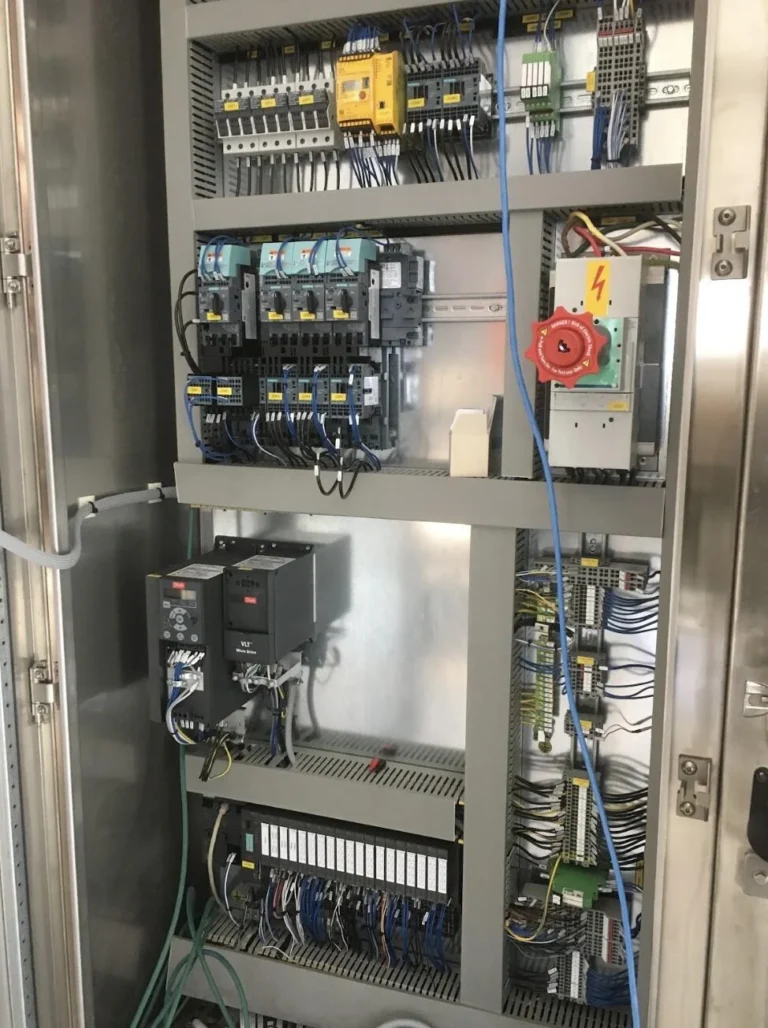
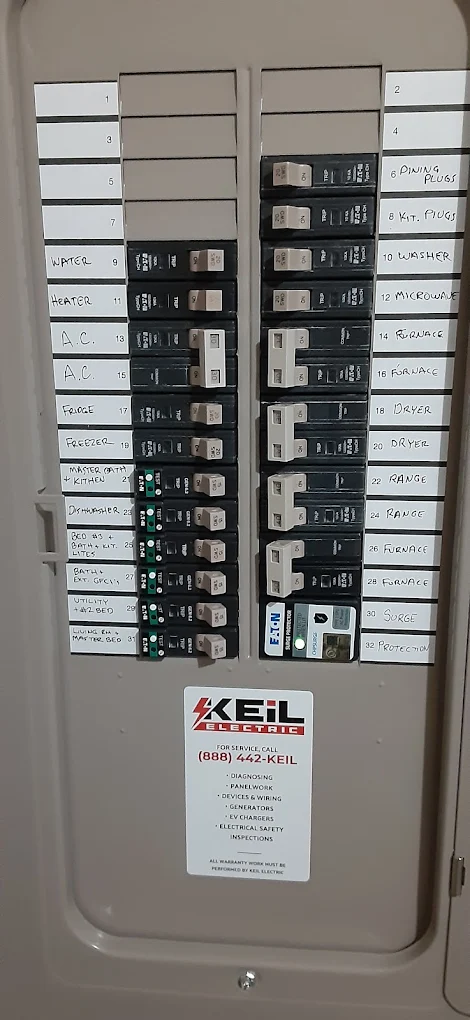
Common heater types we service

Baseboard heaters (Cadet, Marley, Dimplex). Ceiling cable heating (older Calorique systems). Fan-forced wall heaters (King, Cadet, Broan). Snow-melt resistance wire under driveways and walkways. Each one has different failure modes and replacement parts.

Sourcing manufacturer-spec parts

Heating element resistance has to match the original spec or the heater output and current draw both change. We source manufacturer-spec elements where available; for older systems we match the resistance and wattage carefully.

Snow-melt and embedded systems

Snow-melt systems with cable embedded in concrete or asphalt are diagnostic-heavy. A break in the cable usually means partial-system replacement. We use thermal imaging and resistance testing to locate the break before excavating.

03 - PROCESS

Our process

01

Diagnose

Test the element, thermostat, and supply circuit to confirm the failure point.

02

Written scope

Replacement parts, labor, and any related components (thermostat, contactor) that should be replaced.

03

Repair

Replace the failed component, re-terminate, and verify the heating system operates.

04

Test under load

Run the heater through a full cycle, measure current draw, confirm the thermostat operates correctly.

  Permits

Permits and inspections

Not every job requires a permit. When the local AHJ requires one, we pull it, schedule the inspection, and stay with the job until it passes. No paperwork on you.

  Warranty

What's covered

Written warranty: 5-year on outlets, fixtures, and EV chargers; 10-year on wire and breakers; lifetime on panelboxes and surge protection. Parts and labor. Transfers with the home.

  Safety

Safety notes

Electric heaters fail in two modes: open circuit (no heat) and short circuit (overheating, possible fire). We diagnose the failure mode before any repair attempt.

04 - PROOF · BOTH SHOPS

What this looks like in the field.

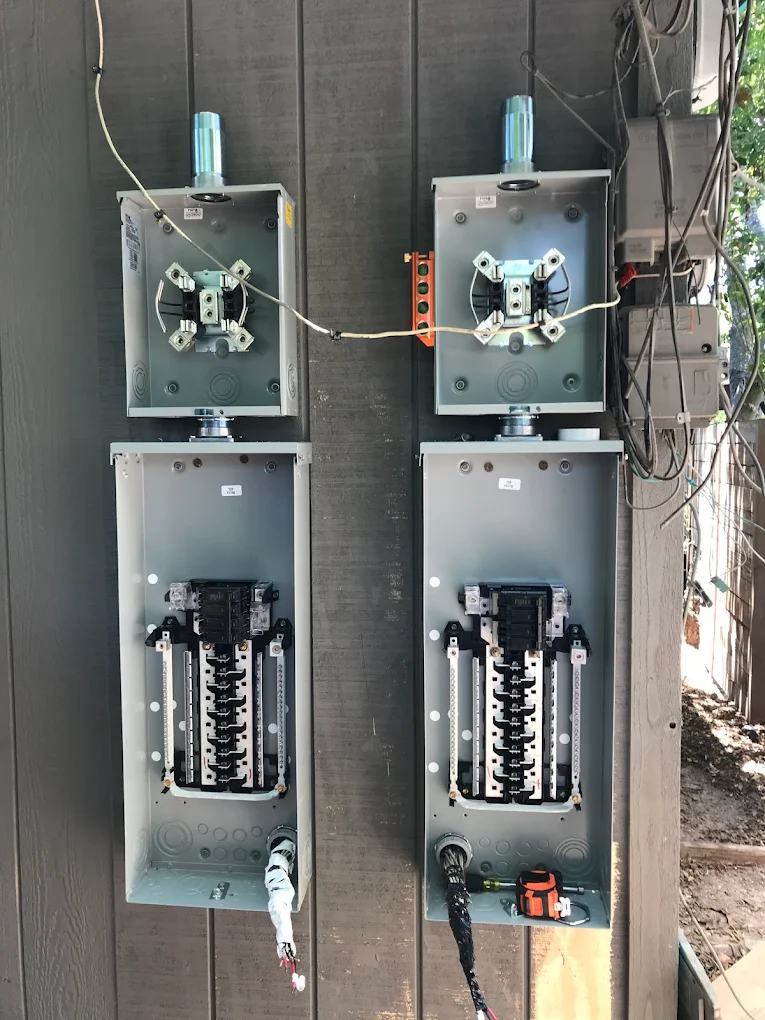
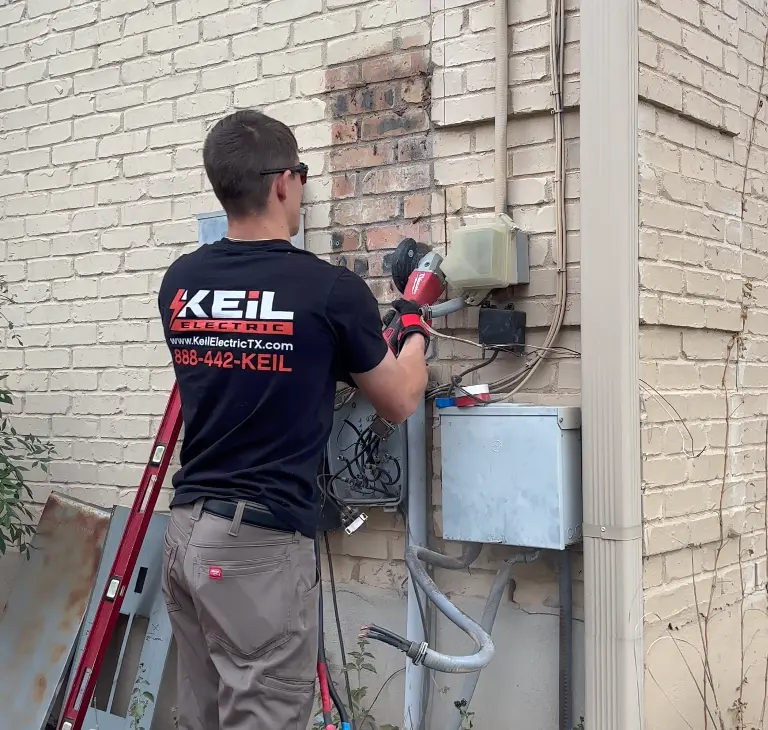
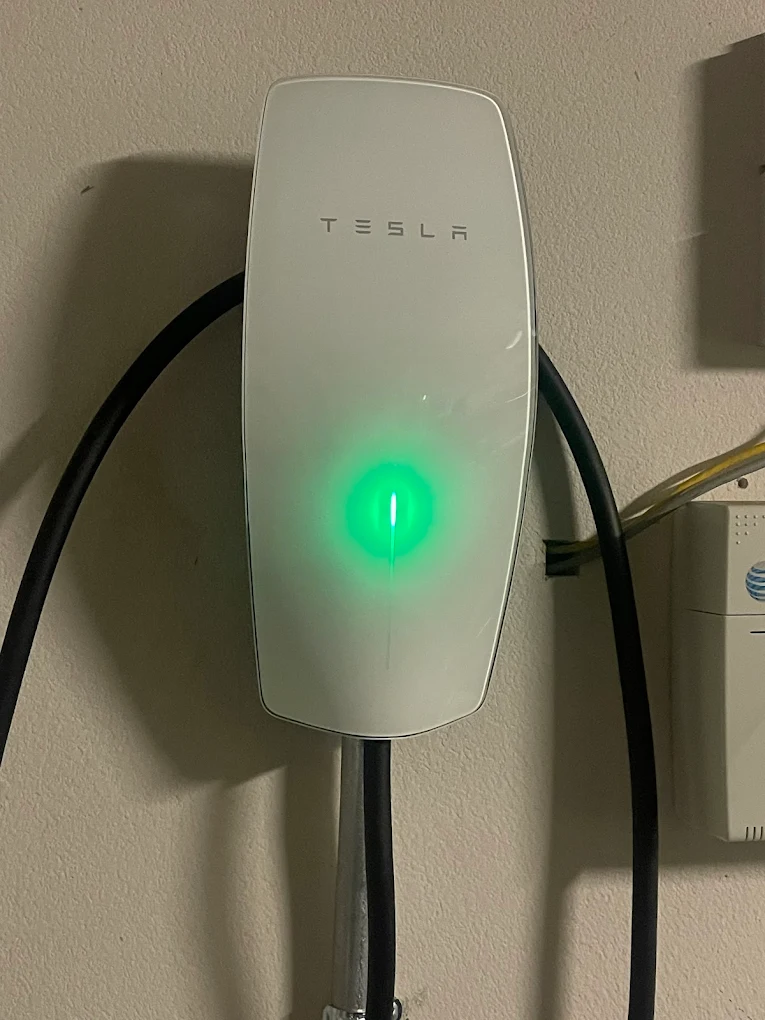
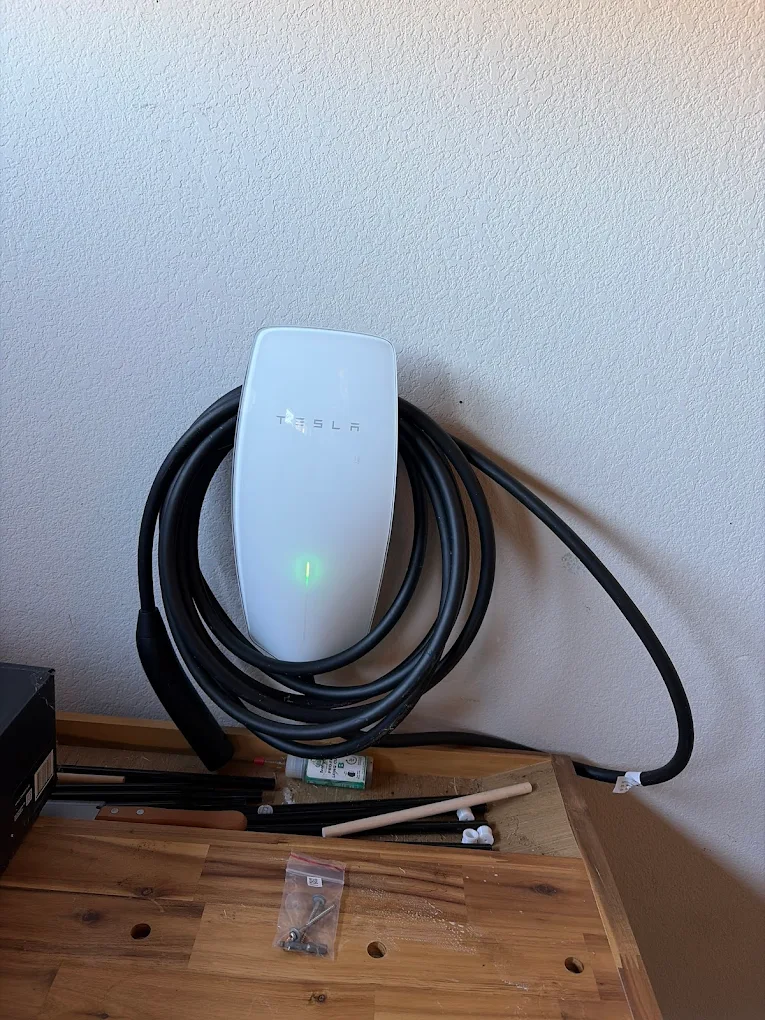
Real work from our San Diego and Austin shops. Same standards, same warranty, every job.

05 - WHO TO HIRE

Why hiring a licensed electrician matters.

For electrical heat resistor replacement, here's the honest comparison. We'd tell you the same thing if we weren't trying to win the job.

Keil Electric

A licensed electrician

Licensed electrician walks every job. Veteran-owned, family-run.
Permits pulled and inspections coordinated when required by the AHJ
5/10-year + lifetime warranty in writing. Parts and labor. Transfers with the home.
Fully insured + workers' comp on every crew
The price you sign is the price you pay
A handyman

Unlicensed for electrical

No state electrical license. Can do simple swaps but not panel work, rewires, or service upgrades.
No permits. Work won't pass inspection if the city audits it later.
No structured warranty. "Call me if something breaks" isn't enforceable.
If something they did causes a fire, your homeowner's insurance can deny the claim.
Cash discount may show up on the invoice.
DIY

Doing it yourself

Cheap, but only if everything goes right. Most electrical work involves load calc, code, and permitting.
A failed inspection means redoing the work. Selling the home later, the buyer's inspector flags it.
No warranty if something fails. Replacement is on you.
Live wiring is a real safety hazard. Most fatal home electrical accidents are DIY.
If you know what you're doing, fine. If you don't, call us first.
06 - BEFORE YOU CALL

How to know when it is time, and what to expect.

When to bring us in for electrical heat resistor replacement

Most electrical heat resistor replacement calls start when the homeowner is planning ahead: a renovation, an addition, an EV charger, a generator, a panel upgrade, or any project where the existing electrical needs to be sized correctly for the new load. The earlier we walk the property, the cleaner the project sequencing. Bringing us in before the drywall closes saves rework. Bringing us in before the contract is signed with the GC saves scope confusion. We are happy to walk a property at the planning stage even if the install is still months out.

What we look at on the first visit

A walk of the property with attention to the panel (age, capacity, available breaker space), conduit accessibility, attic / crawlspace conditions, and the load picture (current loads + planned future loads). For installs that touch the service drop, we factor utility coordination from the start. The estimate we leave with is fixed for the scope as walked. Change orders only happen for genuinely new findings during the work, you hear about them before we proceed.

Electric heating element replacement is a quieter category of electrical work. Volume is lower than panels or outlets but the calls are consistent during winter months. We service baseboard, wall, ceiling-cable, and snow-melt systems regularly across both shops.

Common questions about electrical heat resistor replacement

Why is my baseboard heater not warming?

Most common causes: failed heating element (open circuit), failed thermostat, or breaker tripped on the heater circuit. We test all three to find the failure.

Can I replace the heating element myself?

In some homeowner-friendly products yes. Most modern heating elements require manufacturer-spec parts and proper torque on the terminal connections. We do this work weekly and have the parts on the truck for common brands.

How much does heating element replacement cost?

Cost depends on the heater type and brand. Baseboard elements are smaller jobs. Snow-melt repairs in concrete are larger because of the excavation involved.

How long do electric heating elements last?

Quality residential heating elements last 15-25 years in normal use. Snow-melt cable embedded in concrete typically lasts the life of the concrete unless damaged by a lift or a break.

Will I need to replace my thermostat too?

Sometimes. Old mechanical thermostats fail in different ways than the elements. We test both and tell you in writing what needs replacement.

08 - REQUEST

Electric heater not warming?

A licensed electrician diagnoses the heating element, sources the right replacement, and writes the repair scope in fixed-price terms.

Request an estimate.

A licensed electrician walks the job, tells you what needs doing, and the price in writing.

Request received.

Thanks. We got your request and the local team will be in touch soon.

[ WHENEVER YOU'RE READY ]

Ready when you are.
A real person on the local team will reply.