
What general repairs covers
Any single-circuit, single-device, or single-fixture repair that is not part of a larger renovation, panel job, or rewire. The scope is small and the diagnostic is the first step.
GENERAL REPAIRS
General-purpose electrical repair: failed devices, dead circuits, broken splices, fixture replacement, switch troubleshooting.
Keil Electric handles general electrical repairs across San Diego County and the Austin metro. Outlet and switch repair, light switch replacement, individual circuit and wiring repair, fixture troubleshooting, and other faults that do not require panel or rewire-level work. Diagnosed first, repaired correctly.
Same scope at any of our shops. Pick the shop that covers your area and we will route you to the right crew.
Any single-circuit, single-device, or single-fixture repair that is not part of a larger renovation, panel job, or rewire. The scope is small and the diagnostic is the first step.
Dead outlet (often backstabbed connection). Switch that does not work or sparks. GFCI that will not reset. Light fixture that does not light. Doorbell that does not ring. Circuit that loses power intermittently. Each one starts with a diagnostic.
If the diagnostic reveals a panel issue, a circuit-wide failure, or a code-compliance gap, the work scales beyond a general repair. We tell you in writing which scope applies before any work begins.
Most general repairs are completed in a single visit. Diagnostic, quote, repair, test. Visit time is typically two to four hours including the test step.
You describe the issue.
Our crew tests the circuit, isolates the failure.
Repair scope and cost. Customer authorizes.
Repair executed, circuit verified under load, customer briefed.
Not every job requires a permit. When the local AHJ requires one, we pull it, schedule the inspection, and stay with the job until it passes. No paperwork on you.
Written warranty: 5-year on outlets, fixtures, and EV chargers; 10-year on wire and breakers; lifetime on panelboxes and surge protection. Parts and labor. Transfers with the home.
A repair that does not start with a diagnostic risks creating new problems. We diagnose first.
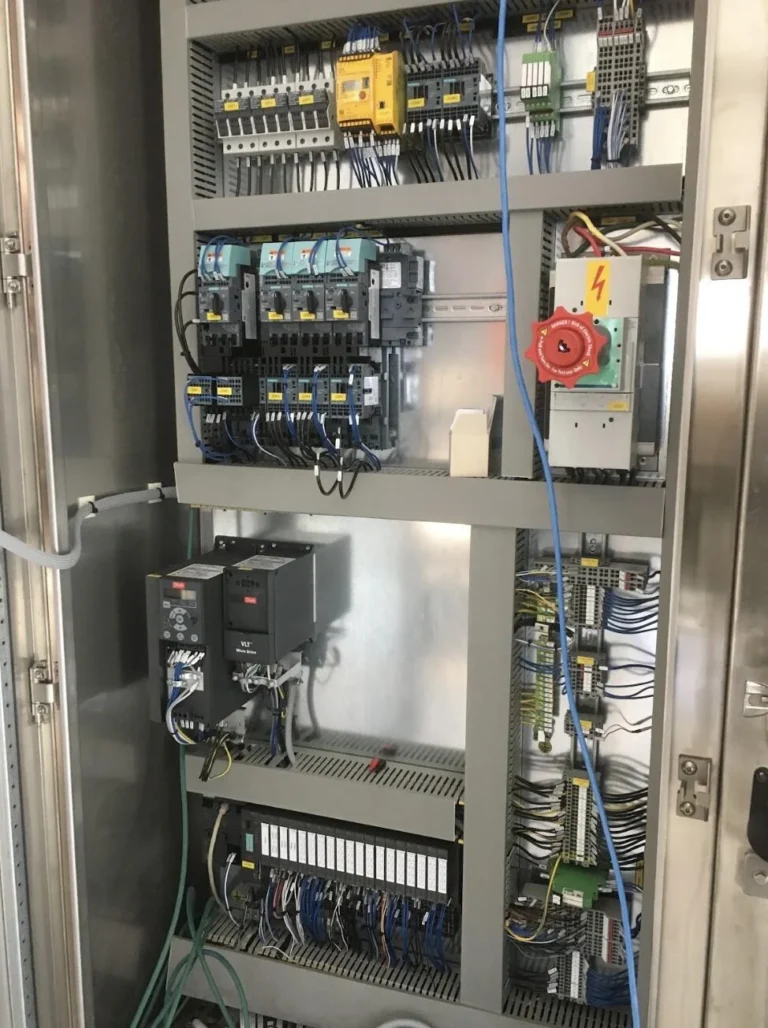
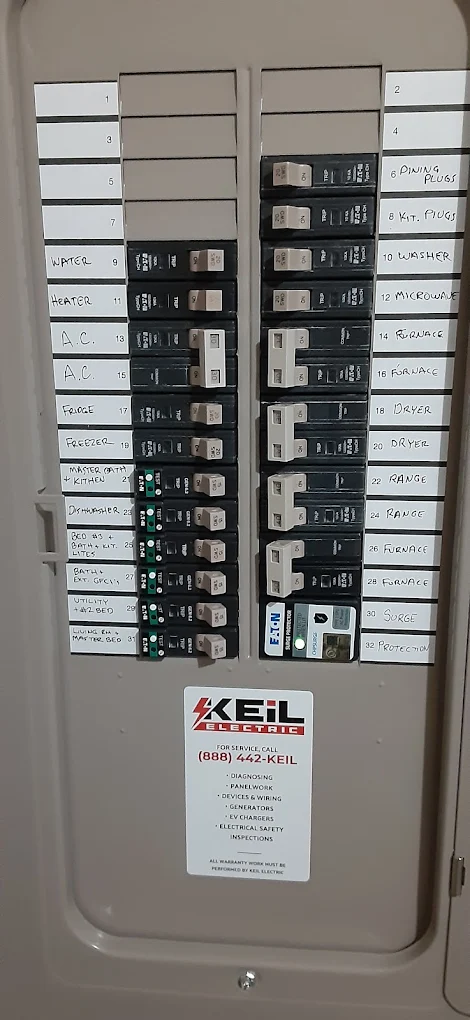
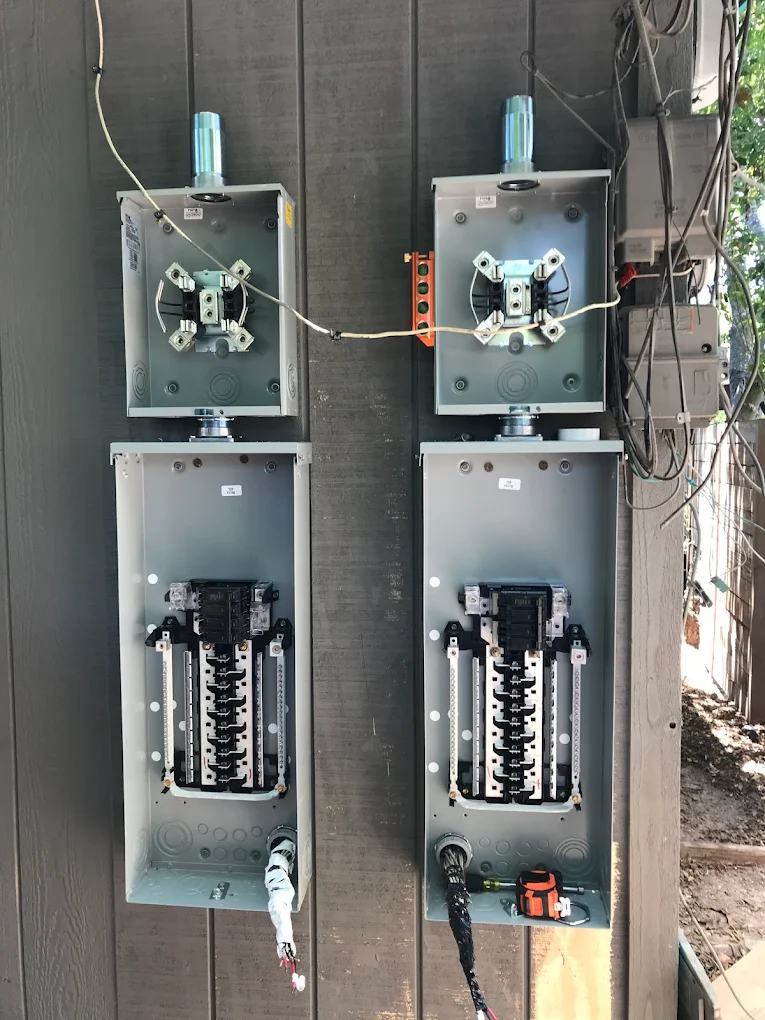
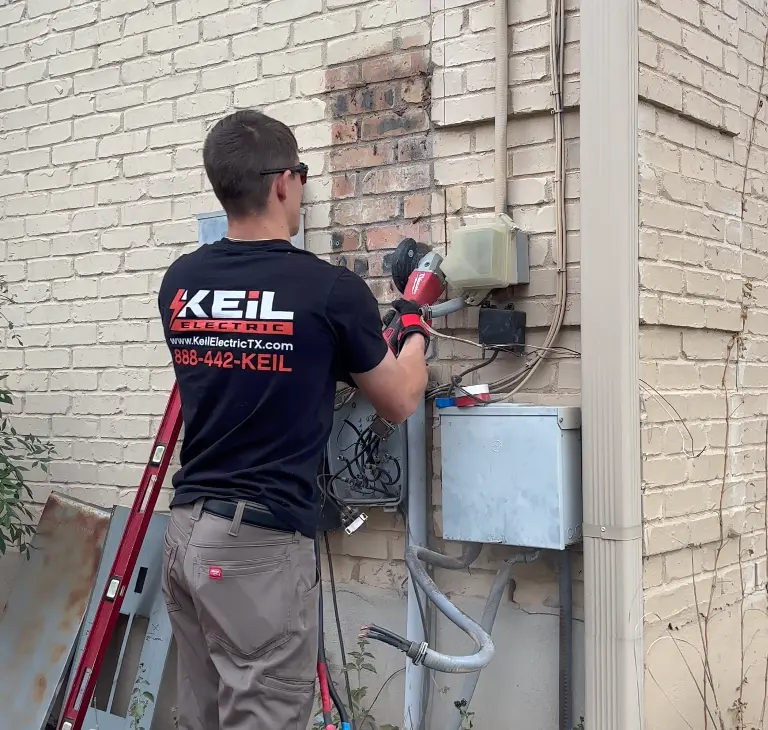
Real work from our San Diego and Austin shops. Same standards, same warranty, every job.
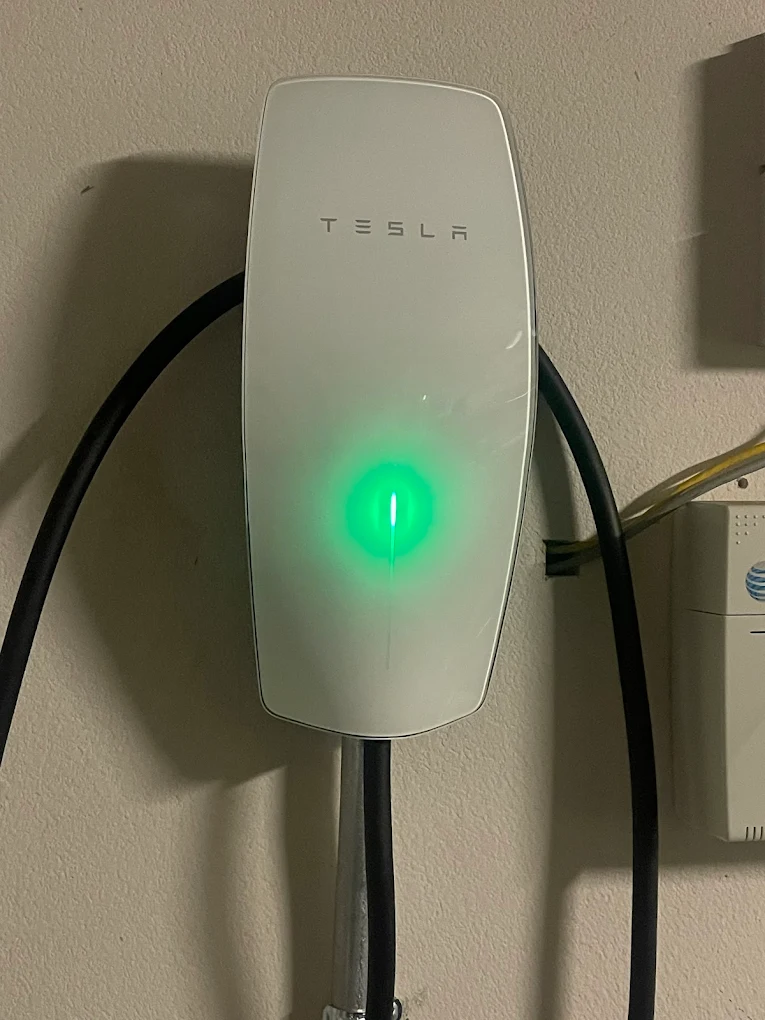
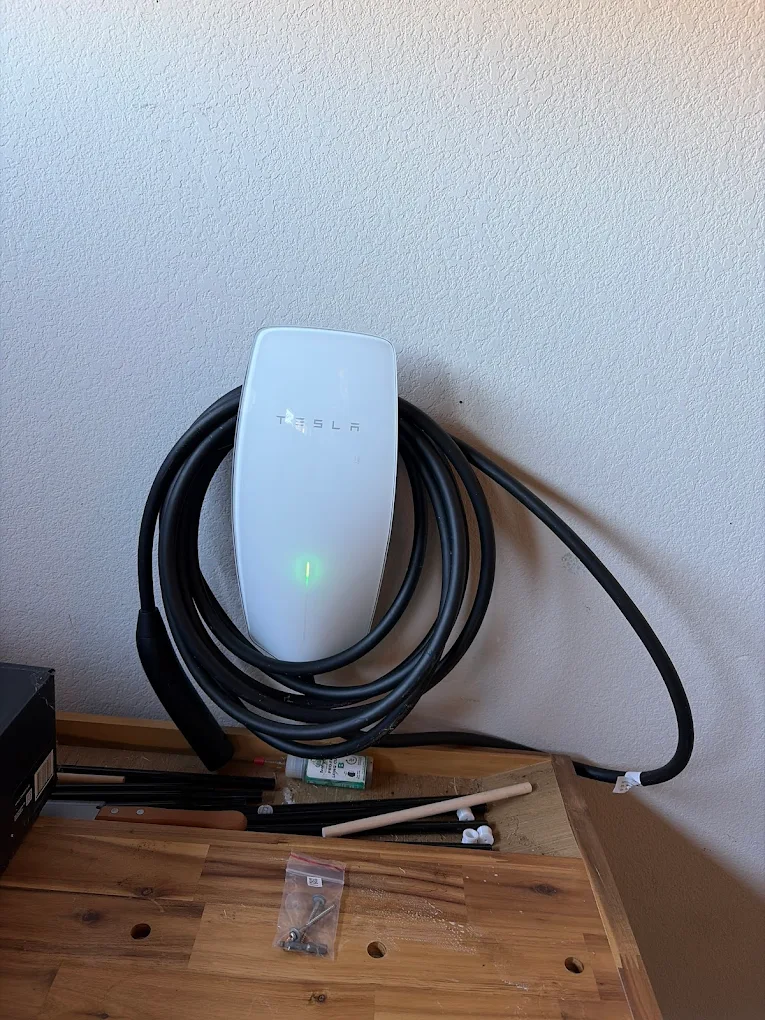
For general electrical repairs, here's the honest comparison. We'd tell you the same thing if we weren't trying to win the job.
Most general electrical repairs calls fall into one of three patterns: a single component failed and the symptom is obvious, a slowly degrading connection finally tripped or stopped working, or a previous repair (yours, a handyman, or a prior contractor) was never quite correct and the underlying issue surfaced again. If the symptom involves smoke, sparks, burning smell, or a panel that is hot to the touch, do not wait. Call the local shop. Active hazards get same-day dispatch when capacity allows. Routine repairs go on the next-available slot, usually inside the same week.
The first 20 to 30 minutes is observation and diagnosis: walk the symptom with you, check the panel for related issues, trace the affected circuit, identify the actual root cause rather than the easy answer. Most general electrical repairs issues sit somewhere other than where the symptom shows up (lights flicker because of a loose connection at the panel, an outlet stops working because of a backstab failure on the next outlet downstream). The diagnostic is the actual job, the price reflects that. We write the scope after the diagnosis, not before.
General electrical repair is the bread and butter of residential electrical work. The volume is high, the visit is short, and the relationships start here. Most of our long-term customers found us through a small repair and stayed with us for the larger projects later.
General electrical repair is the catch-all category for the smaller-scope work that does not fit neatly under a dedicated service. The most common calls fall into a few groups: a single outlet or switch that quit working, a breaker that tripped and will not reset cleanly, a fixture that flickers or buzzes, a junction box termination that worked loose, GFCI or AFCI breakers nuisance-tripping on a specific circuit, or an old-house wiring quirk that needs identification before any other work proceeds. Most general repair calls are scoped on the first visit and fixed in the same visit when parts are on the truck.
Sometimes the root cause is a component that is past its service life rather than a failure of one connection. Backstabbed outlets in 1990s-2000s construction, federal Pacific or Zinsco breakers, recessed-can junction boxes that have heat-cycled to brittle, aluminum branch wiring that has loosened at terminations: these read as repair calls but the right scope is replacement of the affected component or run. We tell you on the diagnostic which of the two you are looking at, and the quote reflects the realistic fix rather than the cheap-but-temporary one.
Most single-issue repairs are quoted in the small-job range. The cost includes the diagnostic, the repair, and the test. We quote in writing on site.
Yes. We do single-outlet repairs, switch replacements, and other small-scope work regularly. Many of our long-term customers started with a small repair.
Yes, and the description helps us bring the right parts. The actual diagnostic happens on site because we cannot test the circuit through the phone.
For most repair work, no. We need to test on site before committing to a fixed price. Some routine work (like a known-failed-fixture replacement) can be ballparked over the phone.
Typically two to four hours including the diagnostic, the repair itself, and verification.
A licensed electrician diagnoses the issue, writes the repair scope in fixed terms, and gets it done.