POWER PERKS Front-of-line dispatch, annual safety check, member-only pricing. Get 5% Off All Services with Power Perks Learn more →
CA LIC #1109913 · TX LIC #40645 · BONDED · INSURED 24/7 EMERGENCY SERVICE
[ BRAND SERVICE ] BOTH SHOPS

CONSTRUCTION ELECTRICAL

General Construction Electrical

Electrical work integrated into new construction, additions, and major renovations. Coordinated with the GC schedule, inspected on-time.

BOTH SHOPS COVER THIS
General Construction Electrical
Licensed · 5/10/Lifetime written warranty
Licensed electrician on every job. Veteran-owned, family-run.
5-year, 10-year & lifetime warranty on the install. Parts and labor. Stays with the house.
After-hours emergency dispatch. A real person on the line, not a robot.
Direct answer

Keil Electric handles general construction electrical across San Diego County and the Austin metro: rough-in, panel work, dedicated circuits, low-voltage, and trim for new construction, additions, and major renovations. We integrate with the GC and architect schedule and pass inspection.

02 - HOW THIS WORKS

How general construction electrical works.

New construction integration

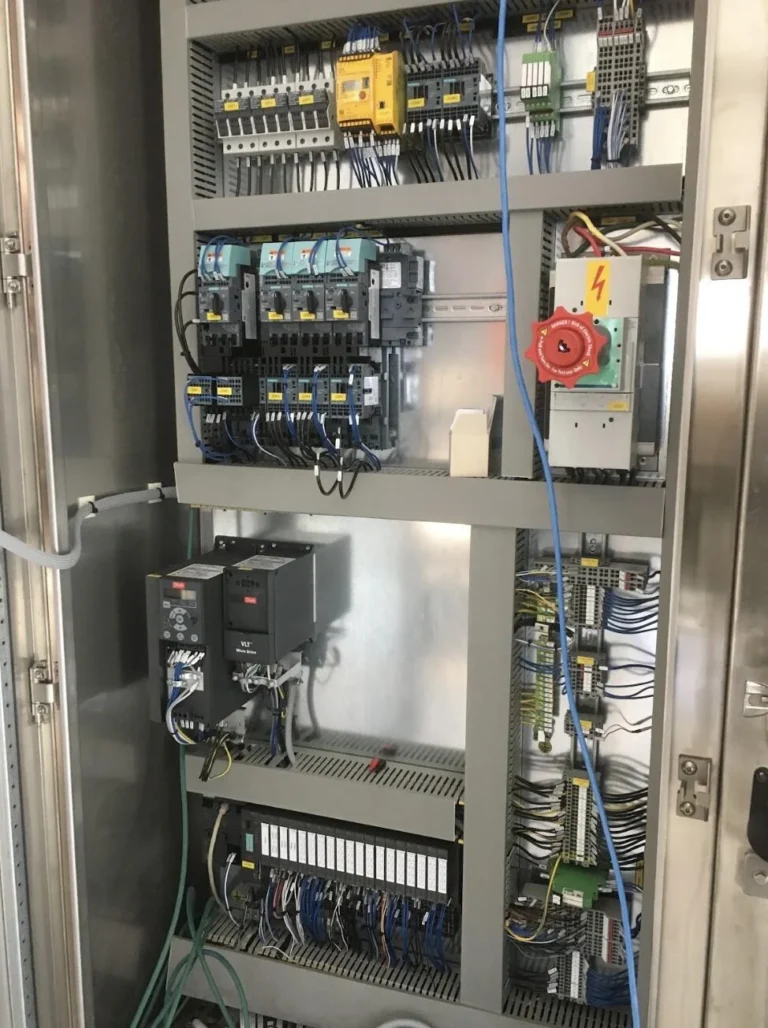
We integrate with the GC schedule from preconstruction through final. Rough-in lands before drywall. Boxes, cable runs, panel feed, and exterior service are all completed and inspected before the cover-up trades come back. We attend trade-coordination meetings to keep the schedule clean.
Addition and renovation electrical

Adding a room, finishing a basement, expanding a kitchen, or remodeling means new circuits, sometimes a panel upgrade, and code-required AFCI/GFCI updates on touched circuits. We scope the addition's electrical separately from any pre-existing issues so the customer sees both.

Coordination with other trades

Plumbing, HVAC, low-voltage, and structural work all interact with the electrical rough-in. We share the layout with the trades, agree on the chase paths and fire-stopping, and avoid the schedule conflicts that drag projects off the rails.

Inspections and close-out

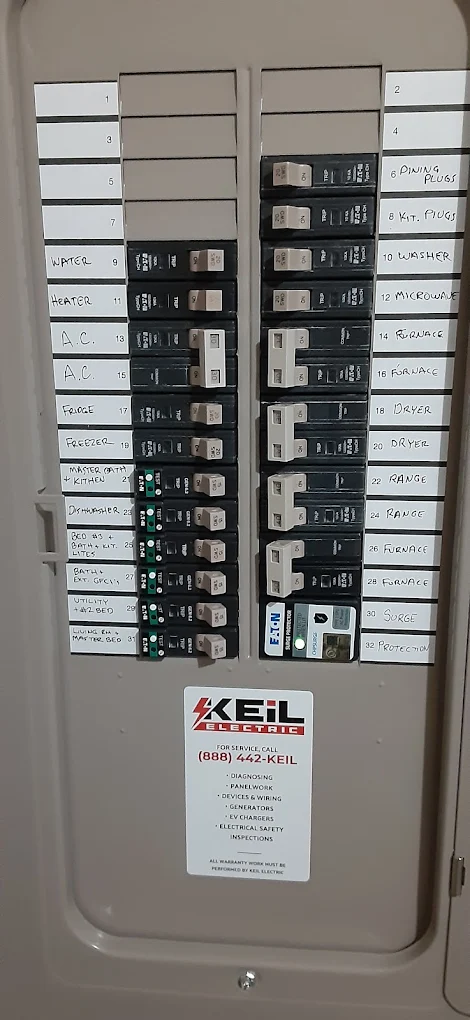
Construction electrical typically gets two or three inspections: rough-in (before drywall), service (when the panel is energized), and final (after trim). We schedule each, walk any inspector, and hand the customer the close-out package: permit number, inspection results, panel directory, warranty.

03 - PROCESS

Our process

01

Preconstruction walk

Our crew meets with GC, architect, and homeowner to confirm scope, panel sizing, circuit count.

02

Rough-in

Cable, boxes, panel circuits installed before drywall.

03

Inspection

Rough inspection walked, signed off, and documented before cover-up.

04

Trim and final

After drywall closes, devices and fixtures installed, system energized, final inspection.

  Permits

Permits and inspections

Not every job requires a permit. When the local AHJ requires one, we pull it, schedule the inspection, and stay with the job until it passes. No paperwork on you.

  Warranty

What's covered

Written warranty: 5-year on outlets, fixtures, and EV chargers; 10-year on wire and breakers; lifetime on panelboxes and surge protection. Parts and labor. Transfers with the home.

  Safety

Safety notes

Construction electrical timing matters: rough-in must complete before drywall, and inspections must pass before cover-up. Late electrical changes cost the most.

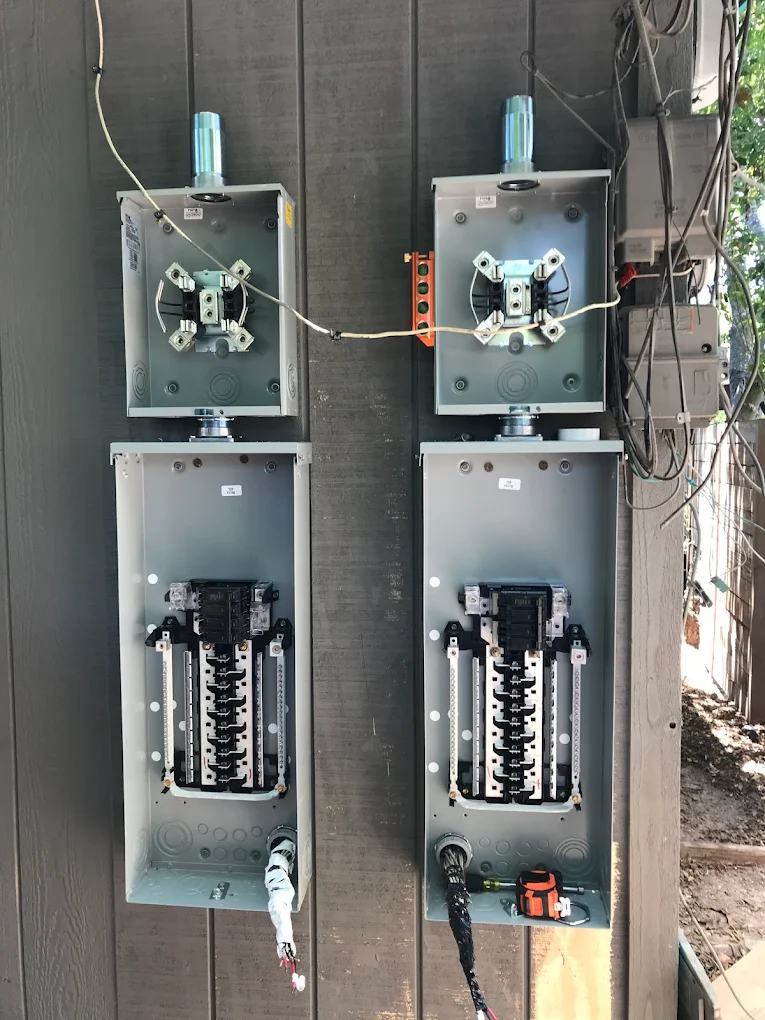
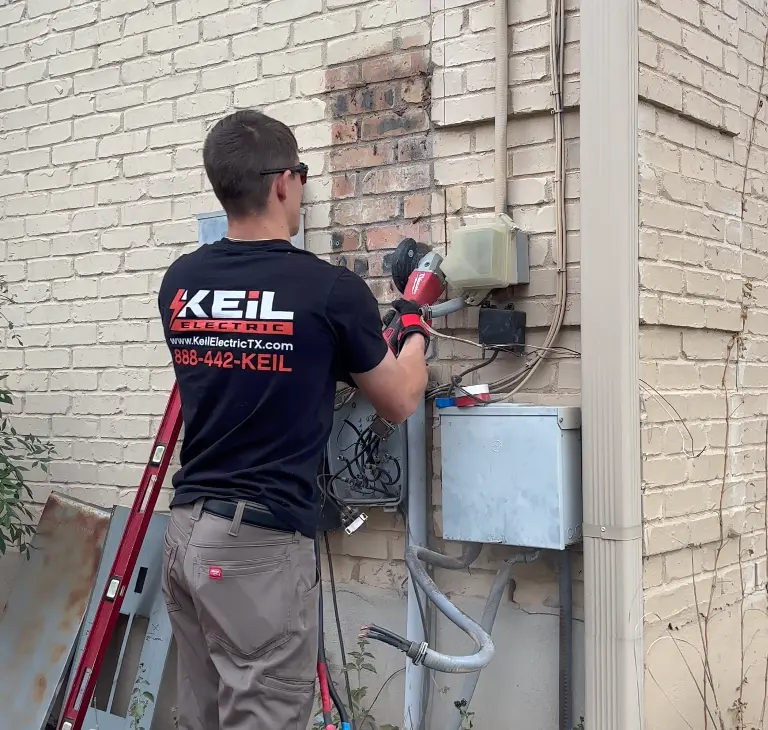
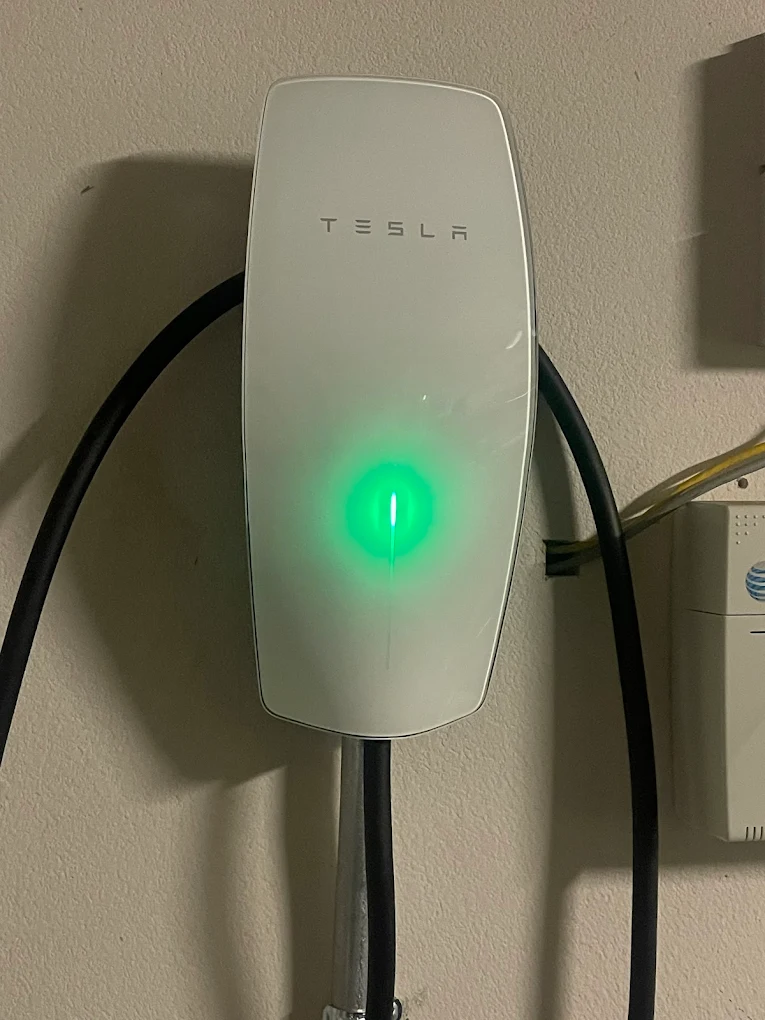
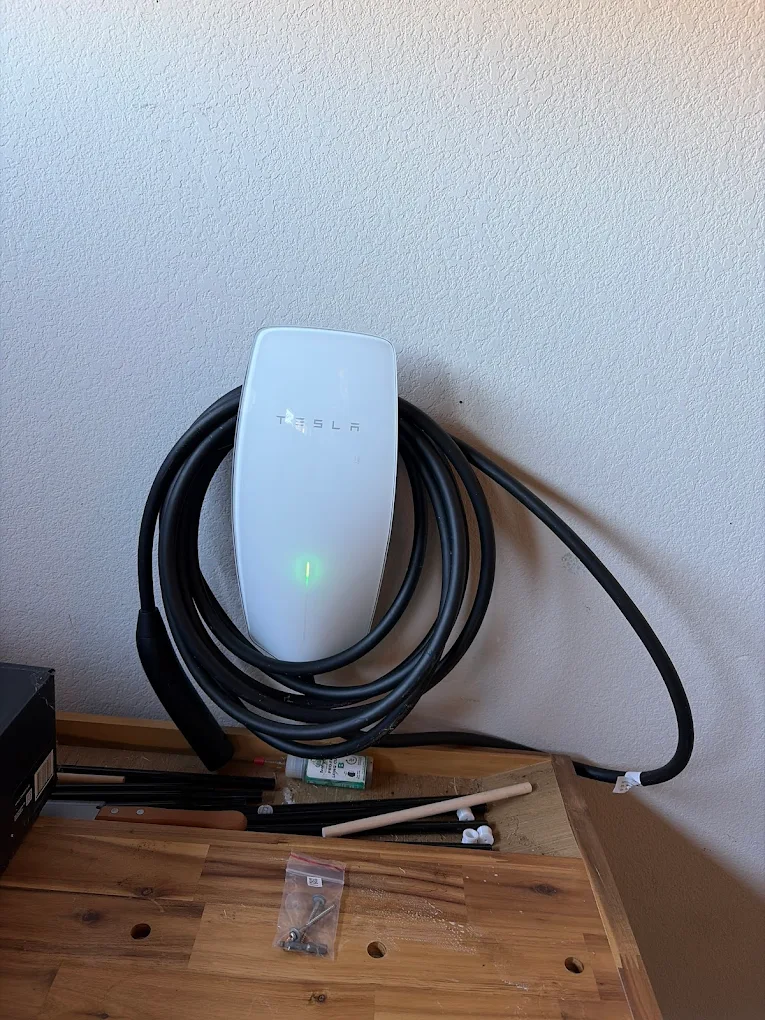
04 - PROOF · BOTH SHOPS

What this looks like in the field.

Real work from our San Diego and Austin shops. Same standards, same warranty, every job.

05 - WHO TO HIRE

Why hiring a licensed electrician matters.

For general construction electrical, here's the honest comparison. We'd tell you the same thing if we weren't trying to win the job.

Keil Electric

A licensed electrician

Licensed electrician walks every job. Veteran-owned, family-run.
Permits pulled and inspections coordinated when required by the AHJ
5/10-year + lifetime warranty in writing. Parts and labor. Transfers with the home.
Fully insured + workers' comp on every crew
The price you sign is the price you pay
A handyman

Unlicensed for electrical

No state electrical license. Can do simple swaps but not panel work, rewires, or service upgrades.
No permits. Work won't pass inspection if the city audits it later.
No structured warranty. "Call me if something breaks" isn't enforceable.
If something they did causes a fire, your homeowner's insurance can deny the claim.
Cash discount may show up on the invoice.
DIY

Doing it yourself

Cheap, but only if everything goes right. Most electrical work involves load calc, code, and permitting.
A failed inspection means redoing the work. Selling the home later, the buyer's inspector flags it.
No warranty if something fails. Replacement is on you.
Live wiring is a real safety hazard. Most fatal home electrical accidents are DIY.
If you know what you're doing, fine. If you don't, call us first.
06 - BEFORE YOU CALL

How to know when it is time, and what to expect.

When to bring us in for general construction electrical

For commercial buildings, the call usually comes when one of three things is true: a tenant impact is in progress and the work needs to happen on a controlled schedule, a planned project (tenant improvement, build-out, system upgrade) needs a licensed estimator to walk the site, or an inspection finding from a preventive walk-through has identified work that needs to be on the books before it becomes a code-violation issue. Property managers, facility leads, and tenant-improvement coordinators usually start the conversation. We work the project against the operating reality of the building rather than around an idealized schedule.

What we look at on the first visit

A walk of the affected area with the property manager or tenant POC, a check of the panel and feeders that serve the work area, a review of any plans or as-builts on file, and a conversation about access windows and tenant impact. We leave with enough to write a real scope: parts list, labor estimate, permit schedule when applicable, and the after-hours / weekend windows the work would need. A standard service-call fee applies to the walk and is disclosed up front.

General construction electrical is project-paced work. The schedule is set by other trades, the inspections are gated by code, and the customer’s success depends on us hitting our windows on time. We integrate with the GC, communicate clearly about scope and changes, and pass inspections without drama.

Project sequencing on a build

General construction electrical lives or dies on sequencing. Rough-in goes after framing and before drywall, with utility coordination usually scheduled to land mid-rough so meter and service feed are ready when the rest of the trades have what they need. Trim-out happens after paint and finish carpentry, when devices, fixtures, and the panel cover go in. Inspections sequence into that: rough inspection has to pass before drywall closes, final inspection happens after trim-out. We work the schedule against the GC’s calendar rather than ours, which usually means we are on site for several non-consecutive days across the project life rather than one continuous block.

Coordinating with the other trades

Most coordination friction on construction projects happens at trade boundaries. The plumber needs the rough-in plumbing through the same wall cavity we want for a circuit; the HVAC contractor needs power for a furnace, AC condenser, or heat-pump that we have not been told about until they show up; the framer leaves a header where we wanted to drop a circuit. We try to handle those conversations in the pre-construction meeting rather than discovering them on site. The GC wins time, the homeowner wins fewer change orders, and we are the trade other crews actually want on the project rather than the one whose late additions blow the budget.

Common questions about general construction electrical

When in the project should we engage you?

Before framing in new builds. Before drywall in renovations. Earlier means cheaper changes if something needs adjusting.

Do you work with general contractors?

Yes. Most of our construction work is on GC-led projects. We integrate with the schedule, share documents, and bill against approved scopes.

Will you do design-build?

Yes for residential and light commercial. We can take the project from sketch to finished electrical, including layout, permit, install, and inspection.

How much does construction electrical cost?

Cost is project-dependent. We quote in writing after the preconstruction walk and produce a fixed-price scope or a not-to-exceed agreement, depending on the project structure.

Do you handle the permits?

Yes. Construction electrical permits are pulled in our name as the contractor (or in a sub-of arrangement when the GC holds the master permit).

07 - REQUEST

Need an electrical contractor for construction?

A licensed licensed electrician walks the project, scopes the rough-in and trim, and integrates with the GC schedule. Permit handled, inspections walked.

Send a request.

A licensed electrician walks the job, tells you what needs doing, and the price in writing.

Request received.

Thanks. We got your request and the local team will be in touch soon.

[ WHENEVER YOU'RE READY ]

Ready when you are.
A real person on the local team will reply.