Most homeowners arrive at “I need an electrician” without knowing which kind of electrician they need. The work splits into clear categories. Emergency response for active issues like smoke, sparks, or partial power. Repair scope for things that broke and need fixing. Installation scope for new equipment or new circuits. Inspection scope when the issue is “is this safe?” Project scope for renovations, builds, and additions.
Keil Electric covers the full residential and commercial scope across two locations. The San Diego shop (license #1109913) handles San Diego County from a San Diego shop. The Austin shop (license #40645) handles the Austin metro from a Austin shop. Each location has its own owner, its own license, its own phone, and its own crew.
This page is a starting point, not a finish line. Below is how to figure out which scope your work falls into, what to expect at the first call, and how to get to the right local team without wasting time.
Which scope does your project fall into?
Active electrical issues that smell, smoke, spark, or shock fall into emergency scope. Water near electrical equipment, partial power across the property, hot or buzzing breakers, and breakers that trip and refuse to reset all qualify. Call the local shop immediately. Don’t wait for a scheduled visit.
Things that broke but aren’t actively dangerous fall into repair scope. A dead outlet, a switch that doesn’t work, a light fixture that flickers, a circuit that trips under specific loads. Repair calls get scheduled within the local team’s availability and start with a diagnostic visit.
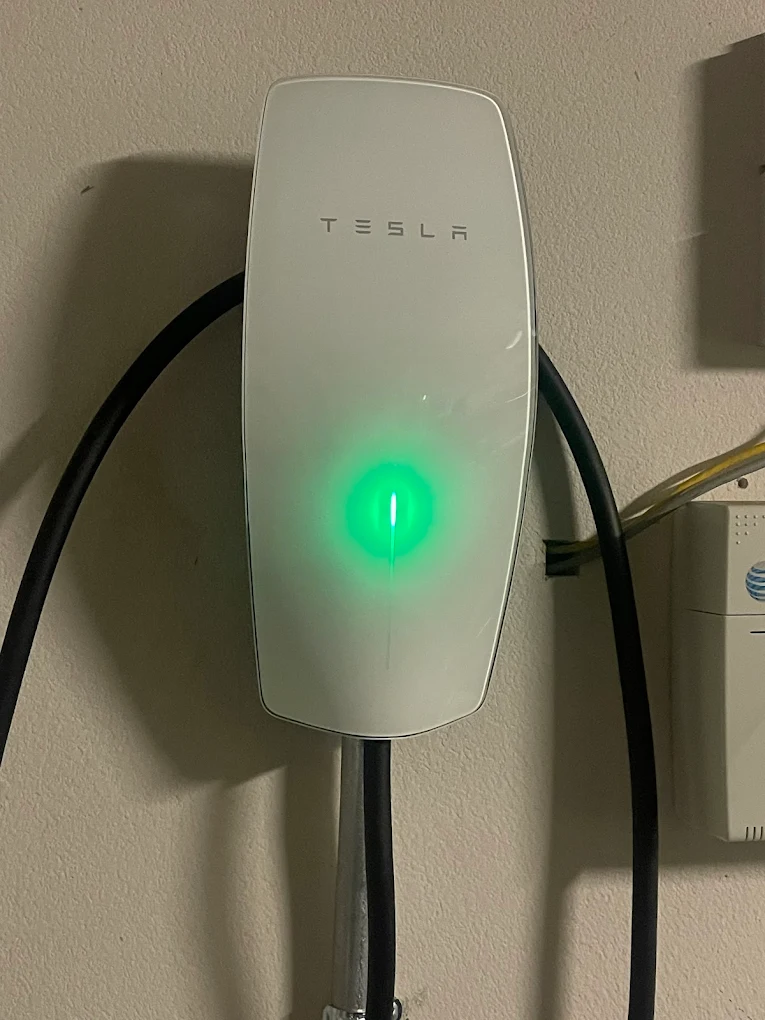
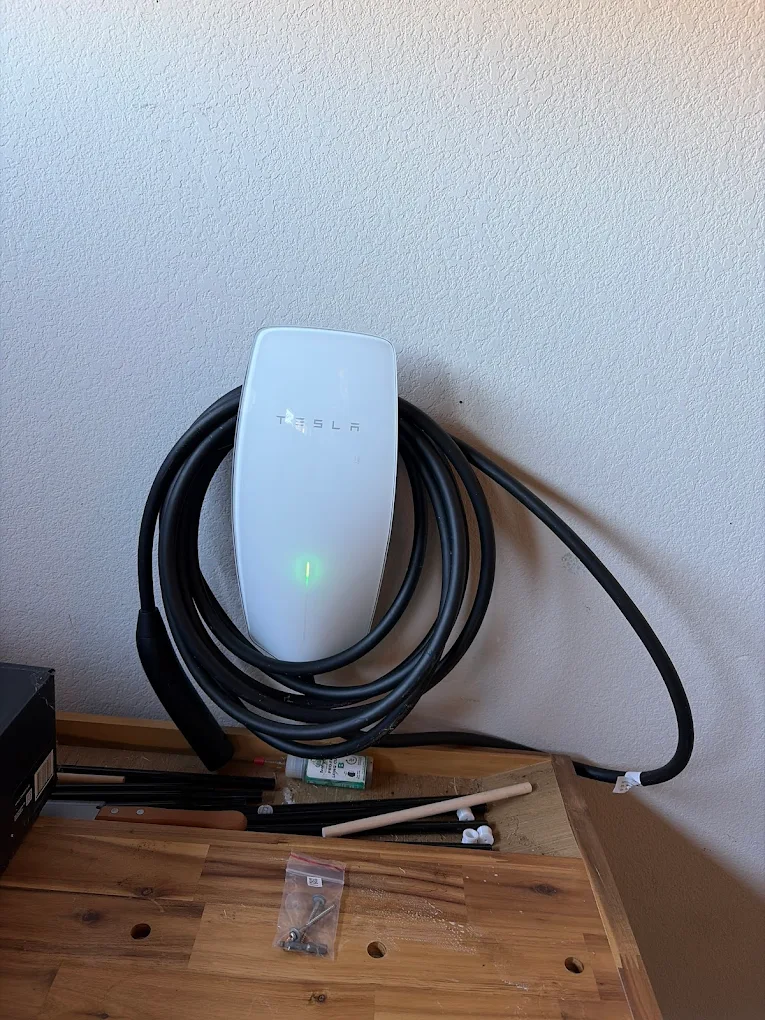
New equipment or new circuits fall into installation scope. EV chargers, generators, hot tubs, panel upgrades, lighting, ceiling fans, outlet relocations during renovation. Installation work involves a site visit, a written quote, permit work where applicable, and a scheduled install date.
“Is this safe?” questions fall into inspection scope. Pre-purchase home inspections, post-storm safety checks, code-correction work tied to a city or utility report. Inspection visits produce a written summary of findings and a clear path for any corrections.
Major projects (additions, ADUs, full renovations, new builds, light commercial buildouts) fall into electrical layout and design scope, which involves the GC, the architect, and a coordinated rough-in plan.
What to have ready when you call
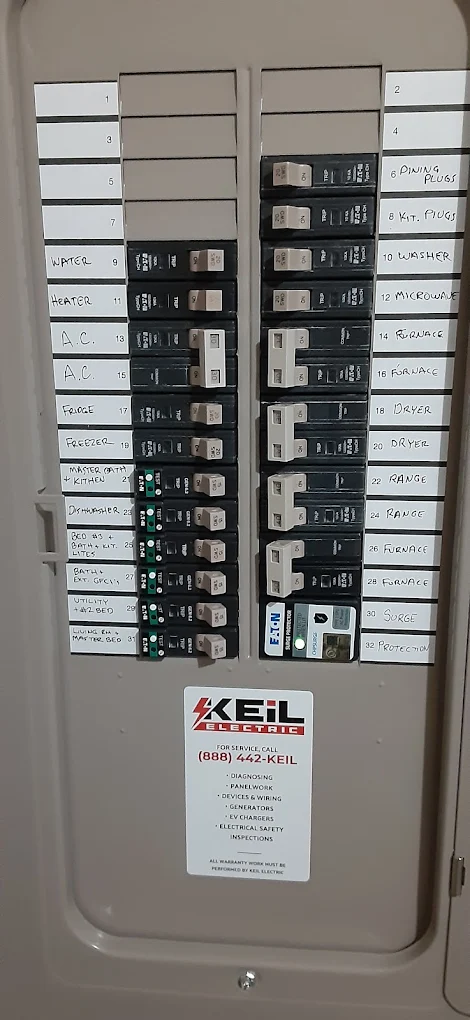
The property address, what’s happening, when it started, and any relevant photos move the conversation faster. For panel work, a clear photo of the full panel and the label (if readable) lets the team scope before the site visit. For new equipment installs, the equipment model and where it will be located help us pre-check panel capacity.
For commercial requests, the building address, building type, and a named project contact route the call into commercial dispatch rather than residential.
How both locations work
each shop operates independently. Calls placed from San Diego pages reach the San Diego team. Calls placed from Austin pages reach the Austin team. The phone numbers, license numbers, and team are local.
The two locations share a brand standard for safety, code compliance, and customer communication, but each operates on its own. The owner is local. The crew is local. The trucks are stocked locally. We don’t route through a national queue, and we don’t dispatch from one market into the other.
What we don’t do
We don’t quote major work over the phone without a site visit. Real quotes need real conditions documented.
We don’t pull permits without scope clarity. Permit applications that say “general electrical work” get rejected. We scope before we permit.
We don’t work outside our service areas. San Diego County and the Austin metro are our markets. If you’re outside these areas, we’ll be straightforward about it on the first call.
We don’t recommend work the homeowner doesn’t need. If we look at a panel and conclude that the existing system is fine, we say so.
How fast we respond
Emergency calls during business hours get same-day dispatch when capacity allows. Outside of business hours we return voicemail as quickly as possible, and life-safety emergencies should always start with a 911 call before us.
Repair calls typically get scheduled within a few business days, sometimes faster depending on the team’s load and the urgency of the issue.
Installation work runs on the team’s quote-to-install timeline, which depends on permit turnaround, equipment lead times, and the homeowner’s calendar.
What “general electrical service” actually covers
“Electrical service” is the umbrella term that covers everything from a 30-minute outlet replacement to a full panel upgrade. The work breaks down into a few categories that share the same core process, licensed electrician walks the job, scope written before pricing, permit pulled where required, written warranty on the install, but differ widely in scale and complexity.
Service work (the small jobs)
Single-circuit and single-device work: outlet replacement, switch swap, fixture install, dedicated circuit added for a window unit or appliance, GFCI added in a bathroom that pre-dates current code. Most service work completes in a single visit. We pull a permit when the AHJ requires it for the specific scope; minor device replacement on existing circuits sometimes does not require permit but always follows code.
Project work (the larger jobs)
Multi-day or multi-circuit scopes: panel upgrade, EV charger install, generator install, rewiring during a remodel, lighting upgrade across multiple rooms, low-voltage network buildout. Project work always requires a permit, often involves rough-in and final inspection, and gets coordinated with other trades when the scope overlaps (kitchen remodel coordinates with plumbing and HVAC; addition coordinates with framing and insulation).
Diagnostic work
Troubleshooting unknown faults: a circuit that trips intermittently, an outlet that does not work but the breaker is on, a burning smell with no visible source, lights that flicker on certain appliances. Diagnostic work charges for the time to find the fault, then quotes the repair separately. Sometimes the fault is a 5-minute fix; sometimes it points to a larger underlying issue that needs its own scope.
How a typical service call runs
Most service calls follow the same shape, regardless of scope:
- Phone or form intake. The homeowner describes the symptom or scope. We confirm the location is in our service area, get the basic facts about the home (age, panel type, what is happening), and schedule the visit.
- On-site walkthrough. A licensed electrician walks the property, looks at the panel, looks at the affected circuits or devices, and runs any load calculations the scope requires per NEC 220. For diagnostic work, this is when the fault gets traced.
- Written scope and price. Before any work begins, the scope is documented in writing and priced. The quote you sign is the bill you pay. If the scope changes during work (we open a wall and find something we did not expect), we stop, document the change, and get sign-off before continuing.
- The work, with permits and inspection where required. Permits are pulled before work begins. Inspections are coordinated with the AHJ. The work follows the scope.
- Final walkthrough and warranty. The work is documented, the panel is labeled per NEC 408, the homeowner gets a copy of the inspection sign-off, and the install carries our written warranty for parts and labor.
When to call an electrician vs handle it yourself
Some electrical work is genuinely DIY territory. Most is not. The distinction:
Reasonable DIY scopes (with the breaker off)
- Replacing a like-for-like outlet or switch on a circuit that is functioning correctly
- Replacing a like-for-like light fixture in a box that is correctly rated for the new fixture
- Replacing a smoke detector in an existing location
- Resetting a tripped breaker or GFCI receptacle
- Replacing a light bulb (this should not need to be said but we do get the calls)
When to call an electrician
- Anything that requires opening the panel beyond resetting a breaker
- Adding a circuit, modifying a circuit, or moving a device to a new location
- Anything involving permits, inspections, or code compliance
- Diagnostic work, figuring out why something is not working when the cause is not obvious
- Any work in wet locations, exteriors, hot tubs, pools, or other locations with code-specific protections
- Any work on knob-and-tube wiring, aluminum branch wiring, or panels with documented brand issues (Federal Pacific Stab-Lok, Zinsco, Challenger)
- Anything where the homeowner is not 100% sure they know what is on the other end of the wire
How we price electrical work
Two pricing models cover most jobs:
- Fixed-scope pricing. The scope is defined in writing, the price is fixed, and that is the price. Used for project work, planned installs, and any scope where the work can be fully scoped before starting. The quote you sign is the bill you pay.
- Time and materials with a cap. Used for diagnostic work and some service calls where the scope cannot be fully predicted in advance. We charge by the hour with a documented rate, plus materials at cost or a defined markup. We agree on a cap before work begins so the bill cannot run away.
We do not use surprise change orders. If the scope grows mid-job because of something we found, we stop, document the change, get sign-off, and proceed. The homeowner always knows what is being charged before the work happens.