
SMOKE AND CO DETECTOR WIRING · SAN DIEGO
Smoke and CO Detector Wiring in San Diego, CA
Hardwired smoke and carbon monoxide detector installation, interconnected per code, with battery backup.
LOCAL TEAM · SAN DIEGO
8733 Magnolia Ave #105, Santee, CA 92071
(619) 771-1114
Mon-Fri 8:00 am - 8:00 pm · Sat-Sun by appointment
CA License 1109913
from 277 Google reviews
Direct answer
Keil Electric San Diego installs hardwired smoke and CO detectors across San Diego County. Interconnected per NFPA, battery backup, code-required locations mapped to current code. CA license #1109913, (619) 771-1114.
01
- BEFORE YOU CALL
How to know when it is time, and what to expect.
When to bring us in for smoke and co detector wiring
Most smoke and co detector wiring calls start when the homeowner is planning ahead: a renovation, an addition, an EV charger, a generator, a panel upgrade, or any project where the existing electrical needs to be sized correctly for the new load. The earlier we walk the property, the cleaner the project sequencing. Bringing us in before the drywall closes saves rework. Bringing us in before the contract is signed with the GC saves scope confusion. We are happy to walk a property at the planning stage even if the install is still months out.
What we look at on the first visit
A walk of the property with attention to the panel (age, capacity, available breaker space), conduit accessibility, attic / crawlspace conditions, and the load picture (current loads + planned future loads). For installs that touch the service drop, we factor utility coordination from the start. The estimate we leave with is fixed for the scope as walked. Change orders only happen for genuinely new findings during the work, you hear about them before we proceed.
Response time
San Diego: Most days we're already in the area. Same-day appointments when capacity allows. After-hours emergencies dispatched when a licensed electrician is available, a real person at the local shop answers and tells you the ETA on the call.
Call nowBattery-only smoke detectors fail when batteries are not maintained. Hardwired detectors with battery backup eliminate that failure mode and are required in new construction and most additions across San Diego County.
02
- WORK FROM SAN DIEGO
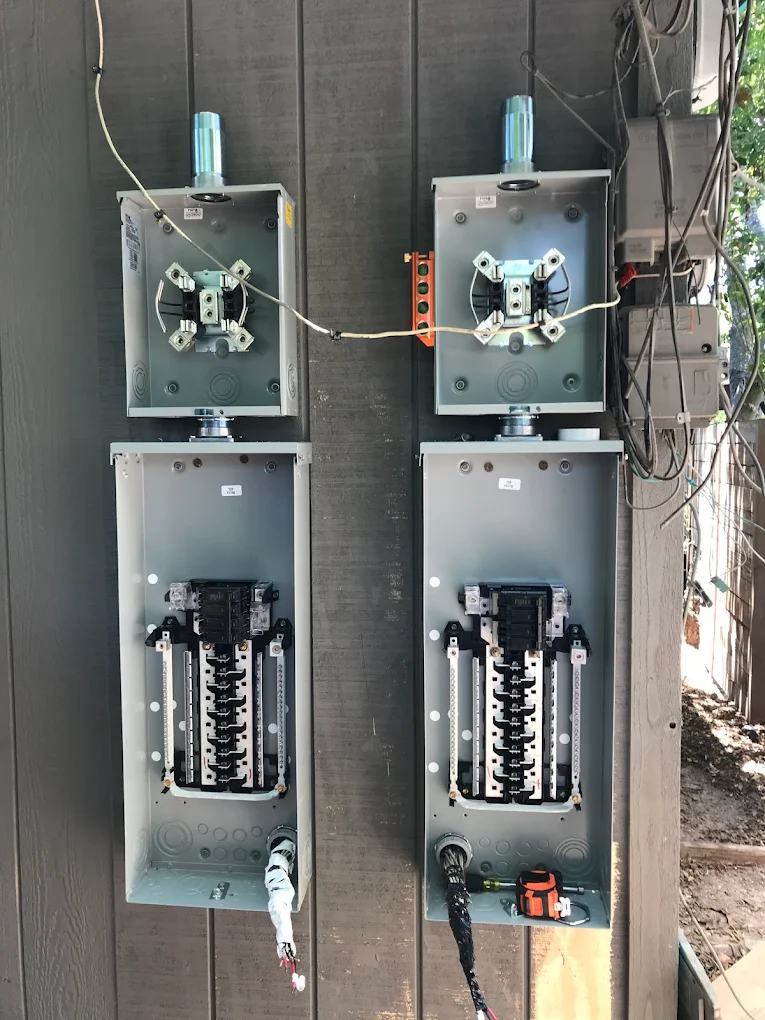
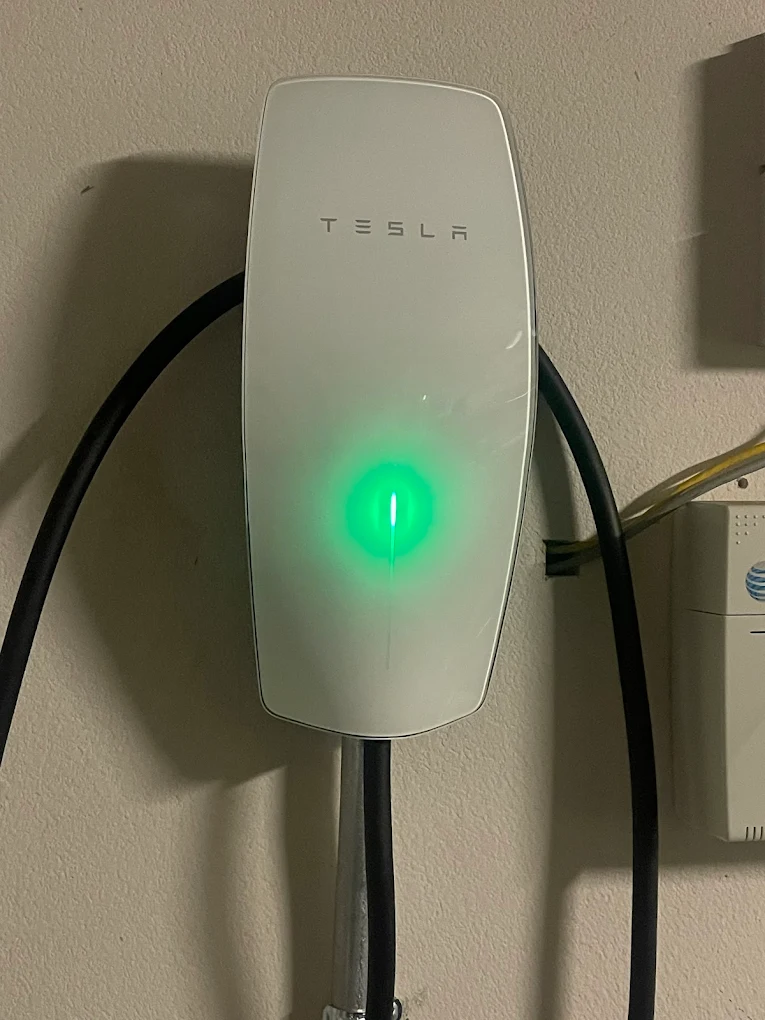
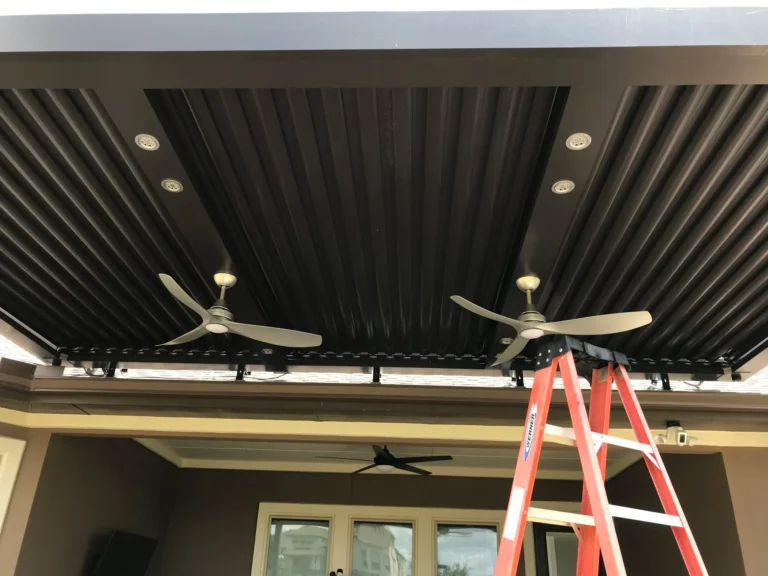
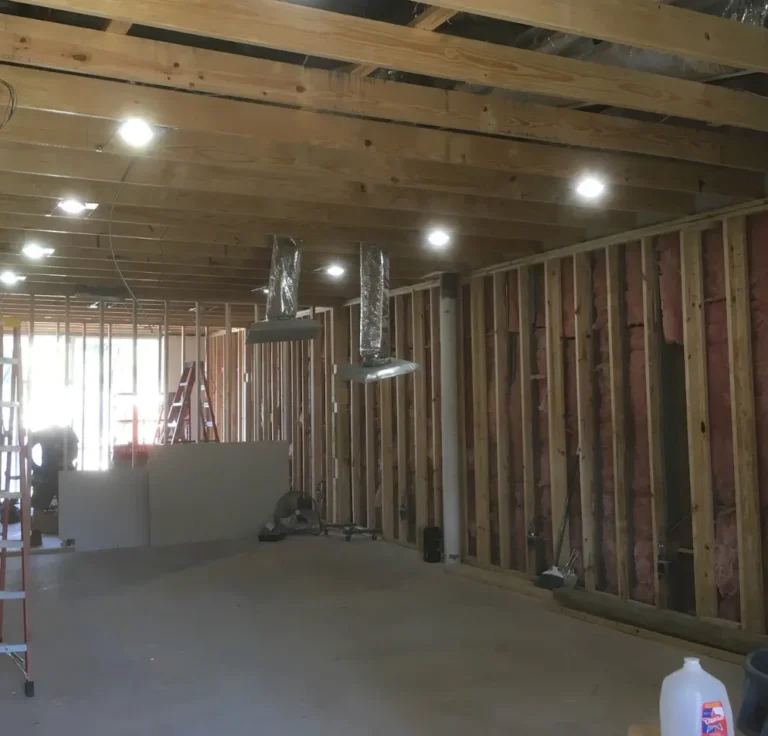
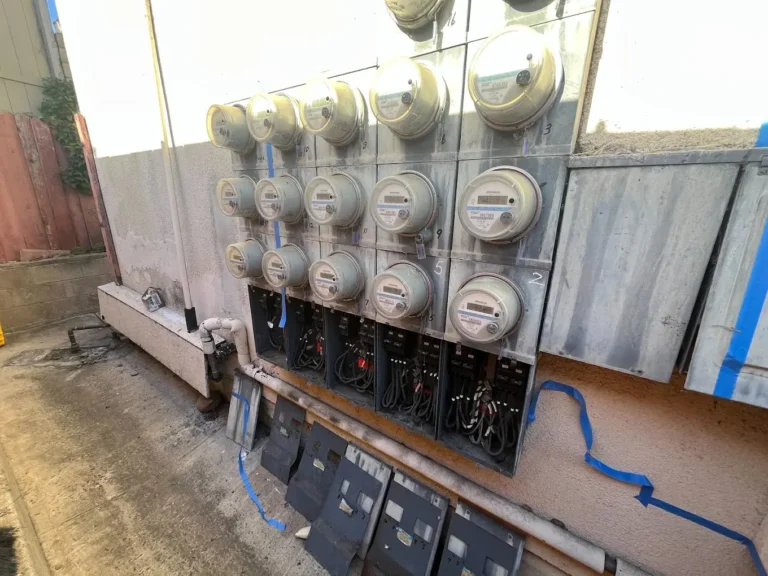
Recent work from the San Diego team.
Real installs and service calls across our San Diego coverage area.
Permits
Permits and inspections
Not every job requires a permit. When the local AHJ requires one, we pull it, schedule the inspection, and stay with the job until it passes. No paperwork on you.
Warranty
What's covered
Written warranty: 5-year on outlets, fixtures, and EV chargers; 10-year on wire and breakers; lifetime on panelboxes and surge protection. Parts and labor. Transfers with the home.
03
- CA SPECIFIC · SAN DIEGO COUNTY
What is different about smoke and co detector wiring in California.
Some of what we do for smoke and co detector wiring is shaped by the codes and conditions specific to California. Here is what tends to differ versus other states.
California code stack
California layers state amendments on top of the National Electrical Code through the California Electrical Code, plus the Title 24 energy code in Part 6 and additional requirements in other parts. The practical effect for smoke and co detector wiring is that the rule set is denser than NEC alone. Energy compliance, fixture efficacy, lighting controls in some occupancy types, and electrification readiness all show up at inspection. The cities and unincorporated areas across San Diego County each enforce the same state code stack but have their own permitting offices and inspection scheduling. We track current cycles for the AHJs across our coverage area, so the scope we write for Coronado, La Jolla, El Cajon, or any of the other cities we serve reflects the rules that AHJ is actually enforcing right now.
Marine-air and corrosion
Coastal San Diego County sits in marine air for most of the year, and chloride-laden moisture is harder on metal hardware than most homeowners realize. Standard zinc-plated parts that hold up indefinitely inland will pit and rust visibly within a few years close to the coast. We default to corrosion-rated boxes, fittings, and fixtures on exterior runs in the coastal zone, and we look for early-stage pitting on existing exterior installations when we are walking a job. That is the difference between a fixture that lasts 20 years and one that needs replacement at 7. Small upgrade at install, big difference over the life of the home.
Seismic and electrification
Seismic bracing on panels, generators, and large equipment is part of how we install in San Diego. Equipment that is structurally anchored stays connected through the kind of routine shaking that cracks unbraced installs. Separately, the state push toward home electrification is real on the ground here: more heat-pump conversions, more EV chargers per household, more battery-ready service planning. We size service capacity with the next-decade load in mind when the homeowner is open to it, so the panel we install for smoke and co detector wiring today is not the bottleneck on the next upgrade.
04
- COVERAGE FROM SAN DIEGO
Cities where we run smoke and co detector wiring.
We dispatch smoke and co detector wiring across the San Diego area from our shop. Pick your city for the local page, or "See all cities" for the full coverage list.
05
- WHO TO HIRE
Why hiring a licensed electrician matters.
For smoke and co detector wiring, here's the honest comparison. We'd tell you the same thing if we weren't trying to win the job.
Keil Electric
A licensed electrician
Licensed electrician walks every job. Veteran-owned, family-run.
Permits pulled and inspections coordinated when required by the AHJ
5/10-year + lifetime warranty in writing. Parts and labor. Transfers with the home.
Fully insured + workers' comp on every crew
The price you sign is the price you pay
A handyman
Unlicensed for electrical
No state electrical license. Can do simple swaps but not panel work, rewires, or service upgrades.
No permits. Work won't pass inspection if the city audits it later.
No structured warranty. "Call me if something breaks" isn't enforceable.
If something they did causes a fire, your homeowner's insurance can deny the claim.
Cash discount may show up on the invoice.
DIY
Doing it yourself
Cheap, but only if everything goes right. Most electrical work involves load calc, code, and permitting.
A failed inspection means redoing the work. Selling the home later, the buyer's inspector flags it.
No warranty if something fails. Replacement is on you.
Live wiring is a real safety hazard. Most fatal home electrical accidents are DIY.
If you know what you're doing, fine. If you don't, call us first.
Smoke and CO detector wiring across San Diego County is one of the highest-impact safety installs. The cost is modest, the install is fast, and the protection is real. We install interconnected hardwired detectors as standard during any electrical project that involves bedrooms, hallways, or kitchens.
Common questions for Smoke and CO Detector Wiring in San Diego, CA
Do I need hardwired smoke detectors or are battery ones enough?
New construction and most renovations require hardwired interconnected detectors with battery backup. Existing homes built before the requirement can keep battery-only detectors but the interconnect protection is meaningful.
How many detectors do I need?
Minimum: one in each bedroom, one in each hallway outside bedrooms, one per story. CO detectors near sleeping areas if fuel-burning equipment or attached garage. We map per code on the site walk.
What is the difference between smoke and CO detectors?
Smoke detectors sense particulate matter from combustion. CO detectors sense carbon monoxide gas. Combination detectors do both. CO is required where fuel-burning appliances or attached garages exist.
How often should I replace smoke detectors?
Every 10 years per NFPA. The sensor degrades over time. We document install dates so you know when to replace.
Can existing detectors be made interconnected?
Wireless-interconnect detectors can join an existing system without rewiring. Hardwired interconnect requires a 3-conductor cable between detectors. We pick the right path per home.
06
- REQUEST
Need smoke and co detector wiring in San Diego?
Tell us about the project. A licensed San Diego licensed electrician walks the job in person and writes a real scope, backed by our written warranty.
Or call us direct
(619) 771-1114