
San Diego service
Generator and backup power in San Diego, CA
Master-licensed generator and backup power from our San Diego shop. Real person on the line, master on every job.
LOCAL TEAM · SAN DIEGO
8733 Magnolia Ave #105, Santee, CA 92071
(619) 771-1114
Mon-Fri 8:00 am - 8:00 pm · Sat-Sun by appointment
CA License 1109913
from 278 Google reviews
Direct answer
Keil Electric San Diego handles generator and backup power for homes and businesses across San Diego County. Backup power work at Keil Electric covers whole home generator installation (natural gas or LP) and generator interlock switch installation for portable generators.
Response time
San Diego: Most days we're already in the area. Same-day appointments when capacity allows. After-hours emergencies dispatched when a licensed electrician is available, a real person at the local shop answers and tells you the ETA on the call.
Call now
01
- WHAT WE LOOK AT
What we look at on a job like this
01
PSPS-aware sizing
For homes in PSPS zones, we size generators for multi-day outage capability.
02
Fuel selection by area
Natural gas in built-up areas; LP in rural east and north county.
03
NFPA 37 placement plus fire-zone considerations
Clearances per code plus fire-zone vegetation and WUI requirements where applicable.
04
NEC 220 load calc and ATS sizing
Real load calc drives the generator size. ATS sized to the service rating.
05
Dual-permit process
Electrical permit and gas permit, with gas inspection scheduled before electrical.
02
- WORK FROM SAN DIEGO
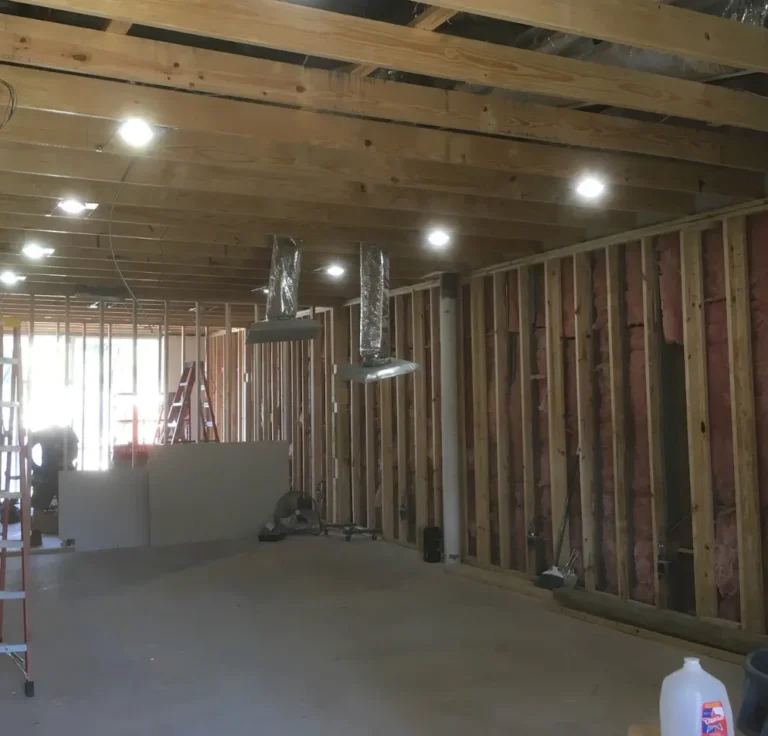
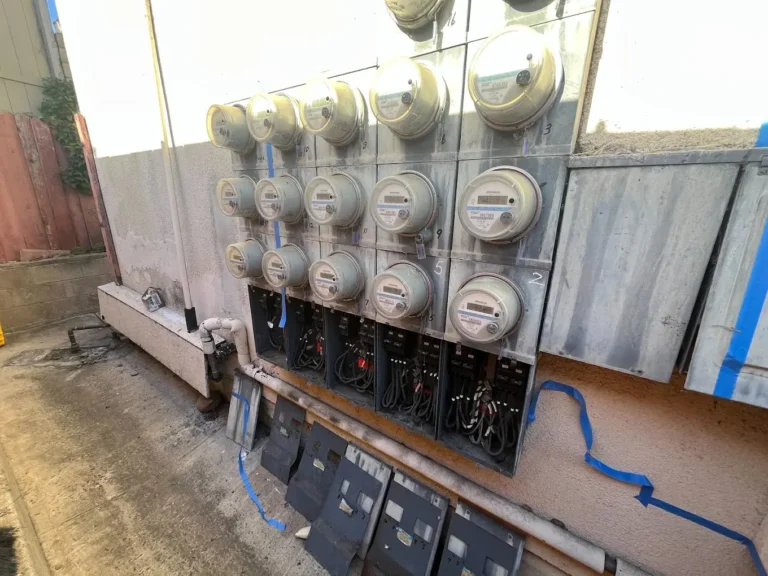
Recent work from the San Diego team.
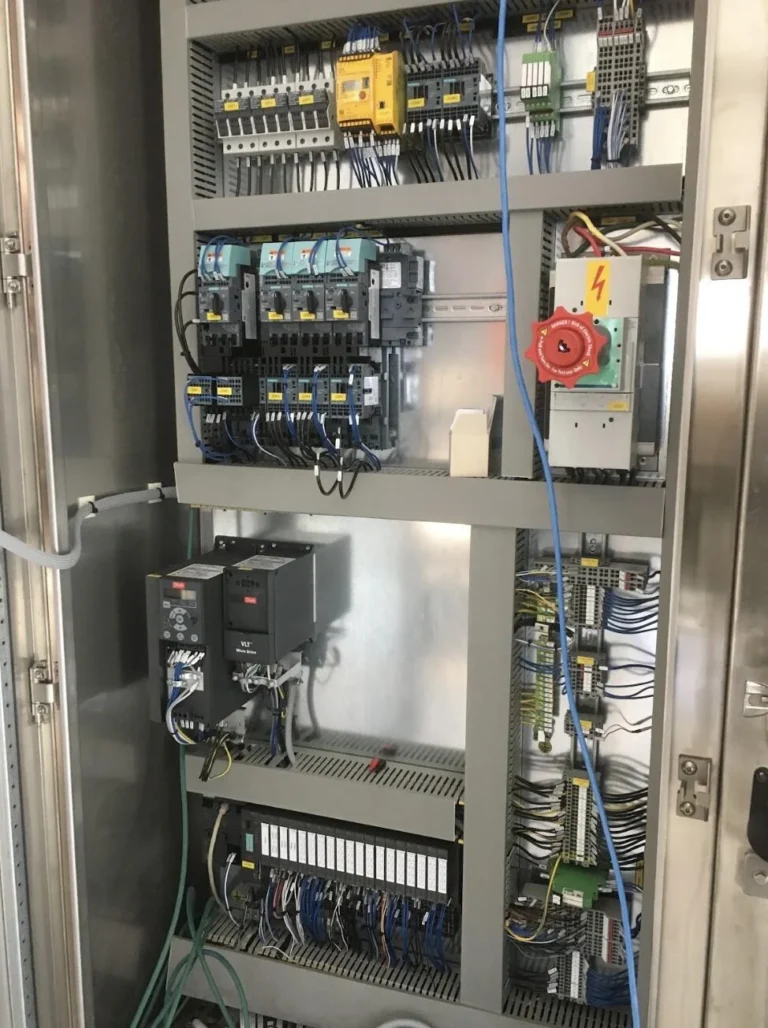
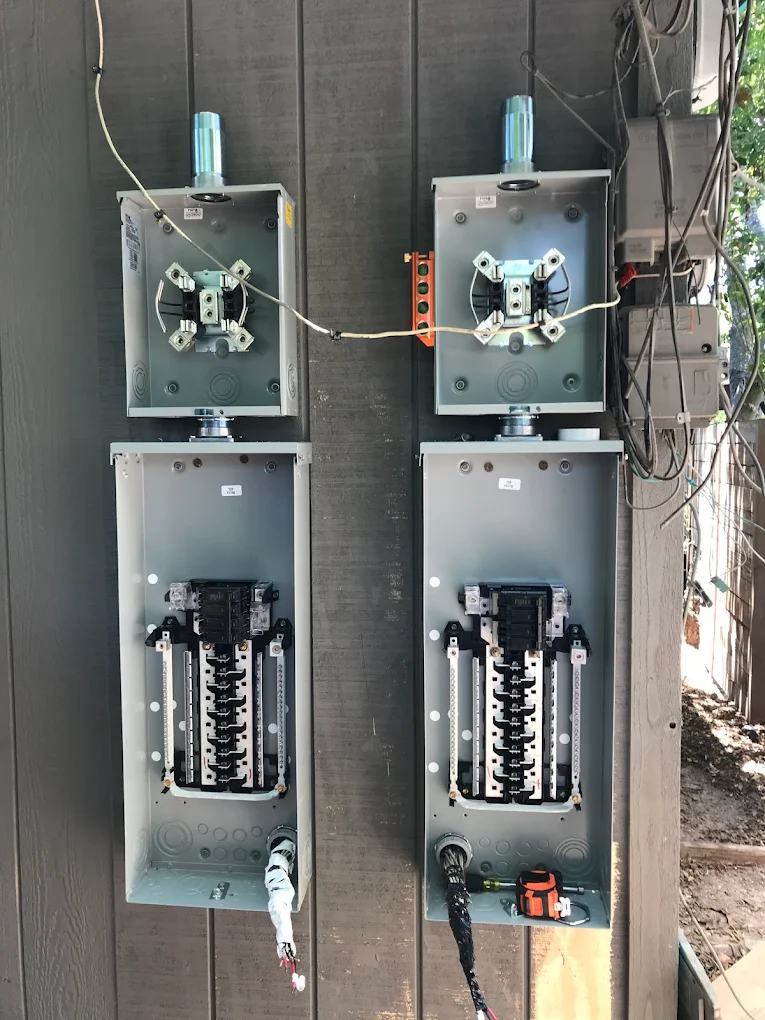
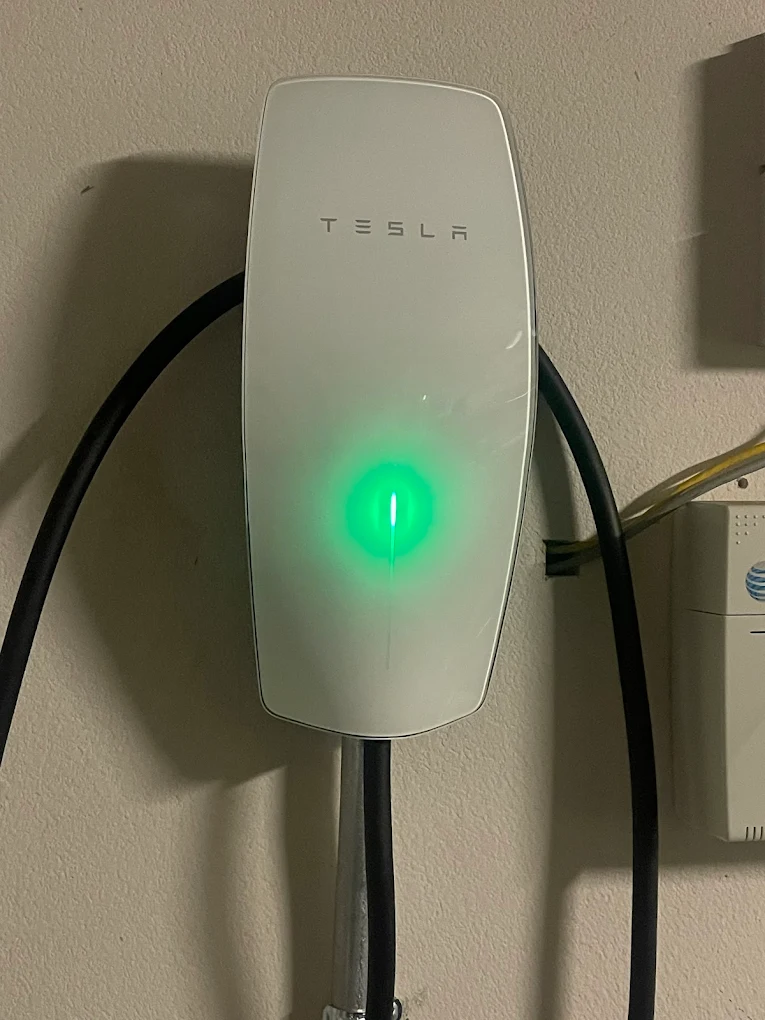
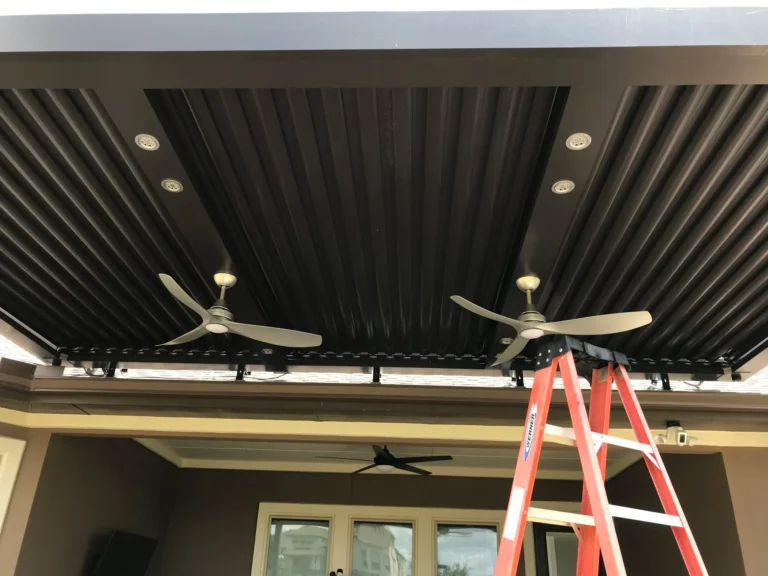
Real installs and service calls across our San Diego coverage area.
Permits
Permits and inspections
Not every job requires a permit. When the local AHJ requires one, we pull it, schedule the inspection, and stay with the job until it passes. No paperwork on you.
Warranty
What's covered
Written warranty: 5-year on outlets, fixtures, and EV chargers; 10-year on wire and breakers; lifetime on panelboxes and surge protection. Parts and labor. Transfers with the home.
03
- CA SPECIFIC · SAN DIEGO COUNTY
What is different about generator and backup power in California.
Some of what we do for generator and backup power is shaped by the codes and conditions specific to California. Here is what tends to differ versus other states.
California code stack
California layers state amendments on top of the National Electrical Code through the California Electrical Code, plus the Title 24 energy code in Part 6 and additional requirements in other parts. The practical effect for generator and backup power is that the rule set is denser than NEC alone. Energy compliance, fixture efficacy, lighting controls in some occupancy types, and electrification readiness all show up at inspection. The cities and unincorporated areas across San Diego County each enforce the same state code stack but have their own permitting offices and inspection scheduling. We track current cycles for the AHJs across our coverage area, so the scope we write for Coronado, La Jolla, El Cajon, or any of the other cities we serve reflects the rules that AHJ is actually enforcing right now.
Marine-air and corrosion
Coastal San Diego County sits in marine air for most of the year, and chloride-laden moisture is harder on metal hardware than most homeowners realize. Standard zinc-plated parts that hold up indefinitely inland will pit and rust visibly within a few years close to the coast. We default to corrosion-rated boxes, fittings, and fixtures on exterior runs in the coastal zone, and we look for early-stage pitting on existing exterior installations when we are walking a job. That is the difference between a fixture that lasts 20 years and one that needs replacement at 7. Small upgrade at install, big difference over the life of the home.
Seismic and electrification
Seismic bracing on panels, generators, and large equipment is part of how we install in San Diego. Equipment that is structurally anchored stays connected through the kind of routine shaking that cracks unbraced installs. Separately, the state push toward home electrification is real on the ground here: more heat-pump conversions, more EV chargers per household, more battery-ready service planning. We size service capacity with the next-decade load in mind when the homeowner is open to it, so the panel we install for generator and backup power today is not the bottleneck on the next upgrade.
04
- COVERAGE FROM SAN DIEGO
Cities where we run generator and backup power.
We dispatch generator and backup power across the San Diego area from our shop. Pick your city for the local page, or "See all cities" for the full coverage list.
05
- WHO TO HIRE
Why hiring a licensed electrician matters.
For generator and backup power, here's the honest comparison. We'd tell you the same thing if we weren't trying to win the job.
Keil Electric
A licensed electrician
Licensed electrician walks every job. Veteran-owned, family-run.
Permits pulled and inspections coordinated when required by the AHJ
5/10-year + lifetime warranty in writing. Parts and labor. Transfers with the home.
Fully insured + workers' comp on every crew
The price you sign is the price you pay
A handyman
Unlicensed for electrical
No state electrical license. Can do simple swaps but not panel work, rewires, or service upgrades.
No permits. Work won't pass inspection if the city audits it later.
No structured warranty. "Call me if something breaks" isn't enforceable.
If something they did causes a fire, your homeowner's insurance can deny the claim.
Cash discount may show up on the invoice.
DIY
Doing it yourself
Cheap, but only if everything goes right. Most electrical work involves load calc, code, and permitting.
A failed inspection means redoing the work. Selling the home later, the buyer's inspector flags it.
No warranty if something fails. Replacement is on you.
Live wiring is a real safety hazard. Most fatal home electrical accidents are DIY.
If you know what you're doing, fine. If you don't, call us first.
Generator demand in San Diego County has two main drivers. The first is PSPS (Public Safety Power Shutoffs), where SDG&E intentionally de-energizes lines during fire weather to prevent ignitions. The second is grid reliability concerns during heat waves and high-demand events. Both have made backup power planning a regular conversation with East County and inland customers.
Whole home vs interlock for SDG&E PSPS events
For homes in PSPS zones (Alpine, Ramona, Jamul, Descanso, parts of Poway and Escondido), automatic standby generators with whole-home transfer are common because PSPS events can run for days. Manual interlocks with portable generators are an option for homeowners willing to roll out a portable, but the multi-day events make automatic systems more attractive.
Natural gas in built-up areas, LP in rural areas
Most coastal and inland-suburban communities have natural gas service that supports a residential generator. The hookup ties to the existing meter with proper sizing per NFPA 54. Rural and east county properties (Alpine, Descanso, Ramona County Estates, San Pasqual) often don’t have gas service and use LP with on-site tanks.
Pad placement and fire-zone clearances
NFPA 37 generator clearances apply (typically 5 feet from openings, 18 inches from the home). Fire-zone properties have additional considerations: clearance from vegetation, ember-resistant cabinet options, and sometimes WUI (Wildland-Urban Interface) requirements that affect equipment selection. We document the pad location and clearances at the site visit.
Permit, gas, and SDG&E coordination
Generator installs in San Diego County require both an electrical and a gas permit. The gas inspection precedes electrical. Permit timeline runs 1 to 3 weeks for most jurisdictions. SDG&E coordination is rarely needed for residential standby installs unless the service entrance is being modified.
Common questions for Generator and backup power in San Diego, CA
Whole home generator versus interlock kit - which makes sense?
A whole home standby generator is automatic, runs on natural gas or LP, and powers selected (or all) circuits during an outage. An interlock kit lets a portable generator safely back-feed the panel through a breaker. Whole home is more expensive and hands-off; interlock is cheaper and requires you to start the generator manually.
What size generator do I need?
Generator sizing starts with the loads you want to keep on (HVAC, refrigeration, well pump, medical equipment, lighting). We run the load calculation and recommend a size that matches without oversizing.
Where does a standby generator typically sit?
Outside the home on a concrete pad, away from windows and air intakes per manufacturer and code clearance rules. We confirm the pad location during the site visit.
Does a standby generator need a permit?
Yes - both the electrical interconnect and the gas connection (or fuel storage for LP) typically require permits and inspection. We handle the permit application as part of the project.
How long does a whole home generator install take?
A typical install runs 2-4 days on site once the equipment arrives, plus permit and inspection scheduling. Larger or more complex projects can extend; we confirm the timeline in the written scope.
06
- REQUEST
Need generator and backup power in San Diego?
Tell us about the project. A licensed San Diego licensed electrician walks the job in person and writes a real scope, backed by our written warranty.
Or call us direct
(619) 771-1114