
San Diego service
Low-voltage network wiring in San Diego, CA
Master-licensed low-voltage network wiring from our San Diego shop. Real person on the line, master on every job.
LOCAL TEAM · SAN DIEGO
8733 Magnolia Ave #105, Santee, CA 92071
(619) 771-1114
Mon-Fri 8:00 am - 8:00 pm · Sat-Sun by appointment
CA License 1109913
from 278 Google reviews
Direct answer
Keil Electric San Diego handles low-voltage network wiring for homes and businesses across San Diego County. Low-voltage network wiring at Keil Electric covers data, communication, and security cabling for home offices, multi-room networks, and small commercial buildouts. We also run fiber optic cabling for high-bandwidth backbones and long or building-to-building links.
Response time
San Diego: Most days we're already in the area. Same-day appointments when capacity allows. After-hours emergencies dispatched when a licensed electrician is available, a real person at the local shop answers and tells you the ETA on the call.
Call now
01
- WHAT WE LOOK AT
What we look at on a job like this
01
Older-home access path planning
Pre-1980 SD homes need careful access planning with strategic drywall cuts and surface raceway as needed.
02
Structured wiring panel inventory and additions
Newer homes often have structured wiring panels. We inventory existing drops and add new ones to the panel.
03
Solar PV network drops
Homes with solar plus battery need network drops to the inverter and battery for monitoring.
04
POE sizing for cameras and access points
POE switch budget sized to actual device list with margin per IEEE 802.3af/at/bt.
05
NEC 800 separation from line voltage
Low-voltage runs maintain proper separation from electrical wiring per NEC 800.133.
06
Fiber optic cabling
Single-mode and multimode fiber runs for high-bandwidth backbones, long runs, and building-to-building links.
02
- WORK FROM SAN DIEGO
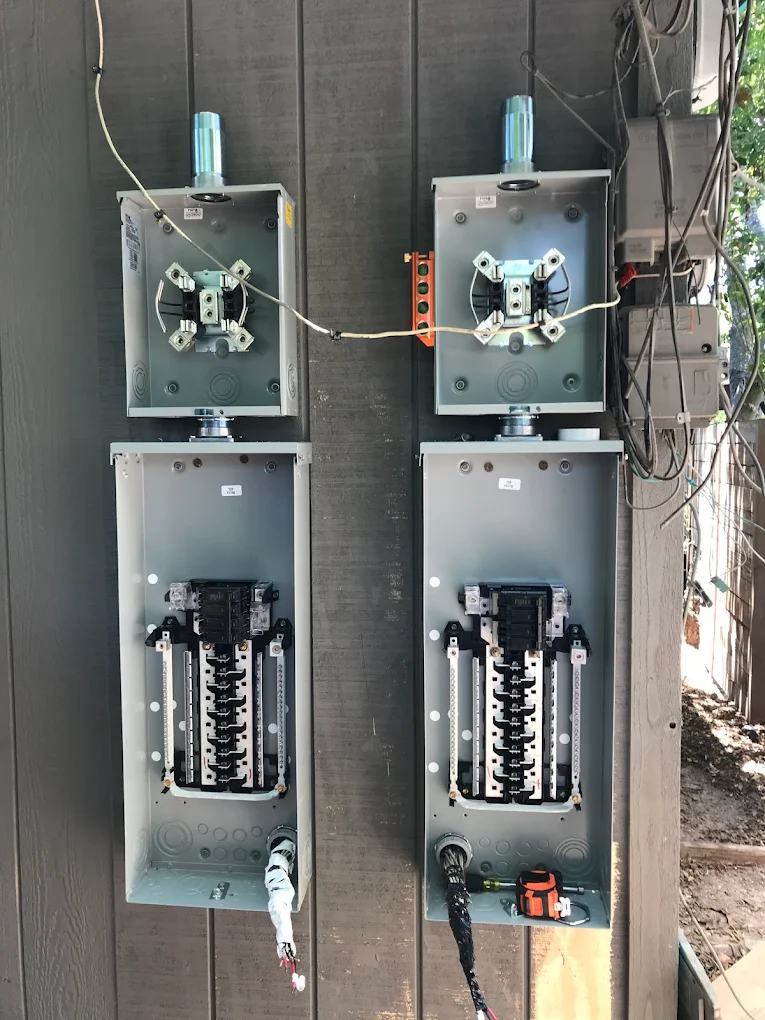
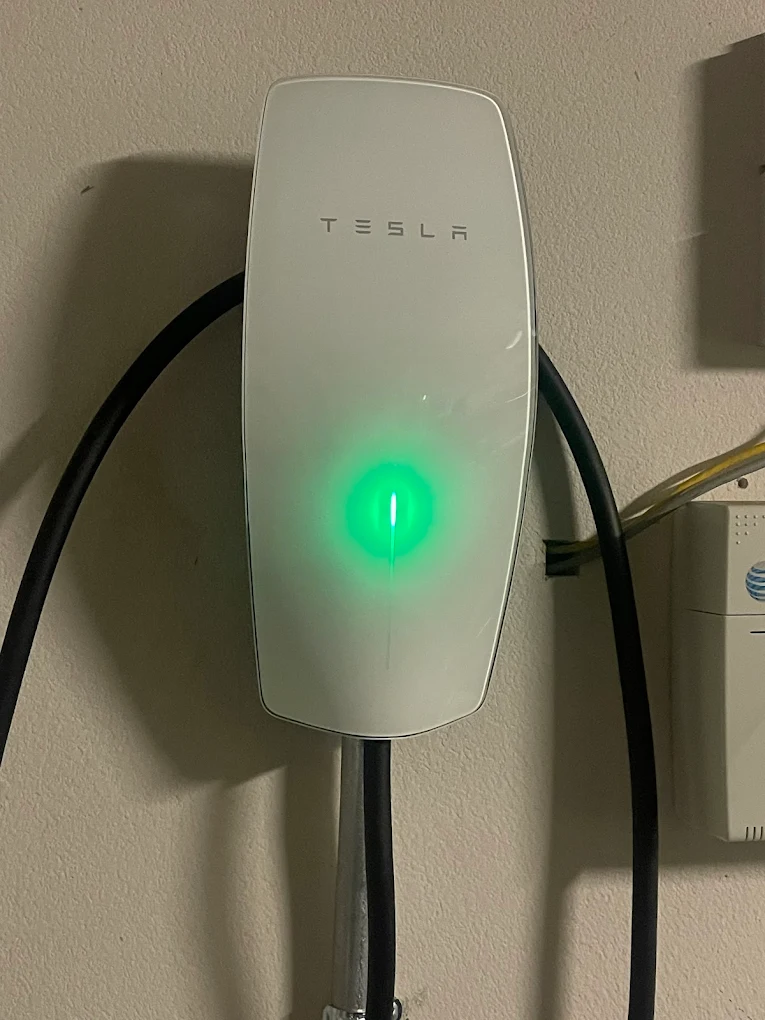
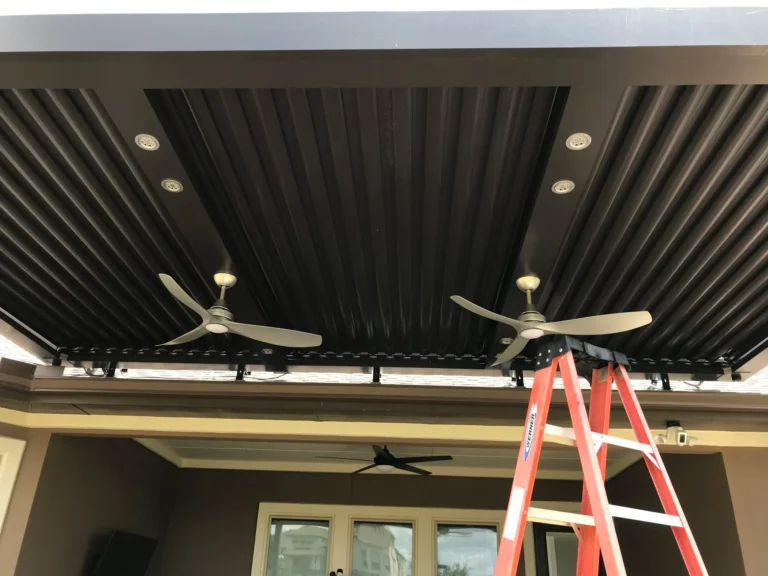
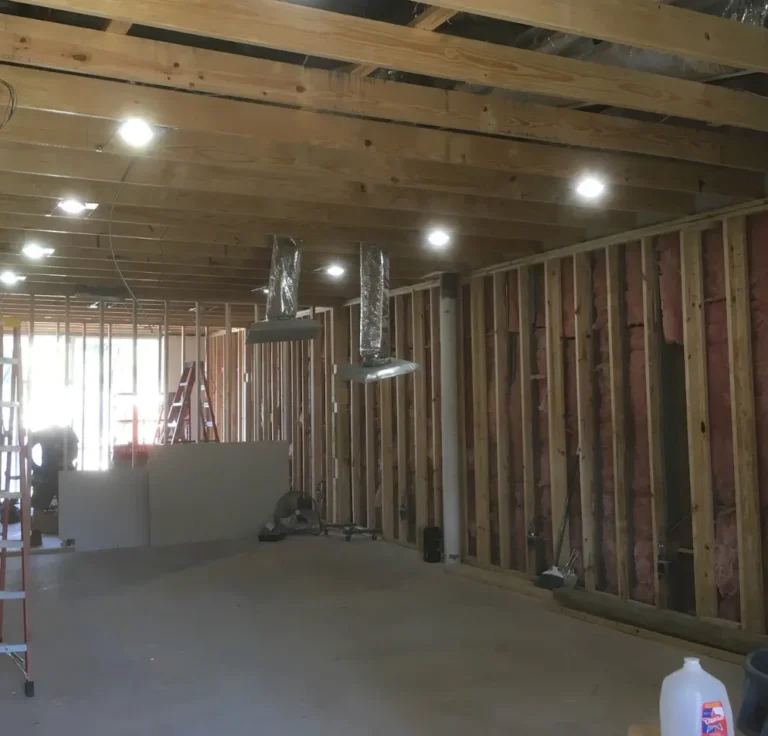
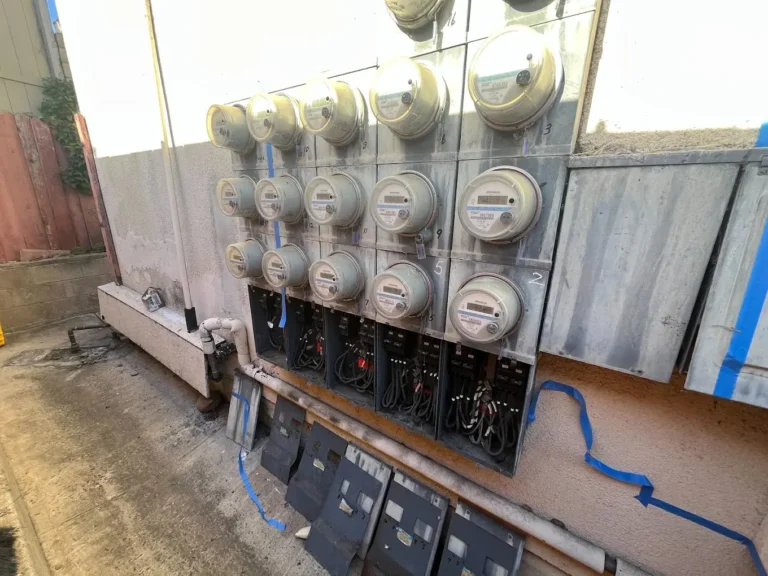
Recent work from the San Diego team.
Real installs and service calls across our San Diego coverage area.
Permits
Permits and inspections
Not every job requires a permit. When the local AHJ requires one, we pull it, schedule the inspection, and stay with the job until it passes. No paperwork on you.
Warranty
What's covered
10-year written warranty on wire and runs. Parts and labor. Stays with the home and transfers to the next owner.
03
- CA SPECIFIC · SAN DIEGO COUNTY
What is different about low-voltage network wiring in California.
Some of what we do for low-voltage network wiring is shaped by the codes and conditions specific to California. Here is what tends to differ versus other states.
California code stack
California layers state amendments on top of the National Electrical Code through the California Electrical Code, plus the Title 24 energy code in Part 6 and additional requirements in other parts. The practical effect for low-voltage network wiring is that the rule set is denser than NEC alone. Energy compliance, fixture efficacy, lighting controls in some occupancy types, and electrification readiness all show up at inspection. The cities and unincorporated areas across San Diego County each enforce the same state code stack but have their own permitting offices and inspection scheduling. We track current cycles for the AHJs across our coverage area, so the scope we write for Coronado, La Jolla, El Cajon, or any of the other cities we serve reflects the rules that AHJ is actually enforcing right now.
Marine-air and corrosion
Coastal San Diego County sits in marine air for most of the year, and chloride-laden moisture is harder on metal hardware than most homeowners realize. Standard zinc-plated parts that hold up indefinitely inland will pit and rust visibly within a few years close to the coast. We default to corrosion-rated boxes, fittings, and fixtures on exterior runs in the coastal zone, and we look for early-stage pitting on existing exterior installations when we are walking a job. That is the difference between a fixture that lasts 20 years and one that needs replacement at 7. Small upgrade at install, big difference over the life of the home.
Seismic and electrification
Seismic bracing on panels, generators, and large equipment is part of how we install in San Diego. Equipment that is structurally anchored stays connected through the kind of routine shaking that cracks unbraced installs. Separately, the state push toward home electrification is real on the ground here: more heat-pump conversions, more EV chargers per household, more battery-ready service planning. We size service capacity with the next-decade load in mind when the homeowner is open to it, so the panel we install for low-voltage network wiring today is not the bottleneck on the next upgrade.
04
- COVERAGE FROM SAN DIEGO
Cities where we run low-voltage network wiring.
We dispatch low-voltage network wiring across the San Diego area from our shop. Pick your city for the local page, or "See all cities" for the full coverage list.
05
- WHO TO HIRE
Why hiring a licensed electrician matters.
For low-voltage network wiring, here's the honest comparison. We'd tell you the same thing if we weren't trying to win the job.
Keil Electric
A licensed electrician
Licensed electrician walks every job. Veteran-owned, family-run.
Permits pulled and inspections coordinated when required by the AHJ
5/10-year + lifetime warranty in writing. Parts and labor. Transfers with the home.
Fully insured + workers' comp on every crew
The price you sign is the price you pay
A handyman
Unlicensed for electrical
No state electrical license. Can do simple swaps but not panel work, rewires, or service upgrades.
No permits. Work won't pass inspection if the city audits it later.
No structured warranty. "Call me if something breaks" isn't enforceable.
If something they did causes a fire, your homeowner's insurance can deny the claim.
Cash discount may show up on the invoice.
DIY
Doing it yourself
Cheap, but only if everything goes right. Most electrical work involves load calc, code, and permitting.
A failed inspection means redoing the work. Selling the home later, the buyer's inspector flags it.
No warranty if something fails. Replacement is on you.
Live wiring is a real safety hazard. Most fatal home electrical accidents are DIY.
If you know what you're doing, fine. If you don't, call us first.
Low-voltage network wiring in San Diego County serves home offices, work-from-home setups, smart-home ecosystems, security cameras, and the increasingly common scenario of homes with solar PV plus battery storage that need network monitoring. The mix of older homes with limited cable paths and newer homes with structured wiring panels affects how the work runs.
Older San Diego homes: limited cable paths
Pre-1980 homes in central and coastal San Diego often have limited interior wall cavity space, lath-and-plaster construction, and minimal attic access. Pulling Cat6 or Cat6a through these homes requires more strategic drywall cuts and surface raceway than newer construction. We document the access plan room-by-room before quoting.
Newer San Diego homes: structured wiring panels
Homes built after about 1995 often have a structured wiring panel (a small recessed cabinet in a utility room or office) that’s the home run for all low-voltage cabling. We inventory what’s already there, sometimes find unused cable runs that can be terminated, and add new drops to the panel as needed.
Solar PV monitoring and battery storage
Homes with solar PV plus battery storage (Tesla Powerwall, Enphase, LG Chem) need network connectivity to the inverter and battery for monitoring and firmware updates. We work with the solar contractor on the network requirements and run dedicated drops to the inverter location during low-voltage work.
Security camera and POE in coastal homes
POE-powered security cameras in coastal communities benefit from Cat6 or higher cable to handle higher-power devices and to manage cable temperature in tight bundle runs. We size the POE switch budget to the camera count and any planned POE access points.
Common questions for Low-voltage network wiring in San Diego, CA
When does low-voltage cabling make more sense than wireless?
Wired runs are faster, more stable, and less affected by neighbors' networks. Home offices, work-from-home setups, AV equipment, security cameras, and any device that needs predictable bandwidth benefit from a wired drop.
What cable type do you typically run?
Cat6 is the standard for most residential and small-commercial data drops. Cat6a and Cat7 are options for high-bandwidth runs or commercial environments. We confirm the right cable for the install.
Can low-voltage be installed in a finished home?
Yes. We use existing wall cavities, attic and crawl space access, and small fish-tape paths to minimize wall damage. We document the access plan before any cable goes in.
Do you install camera and security wiring?
Yes. We run cable for camera systems, doorbell cameras, and POE-based security gear. Camera placement and POE switch sizing get planned before the cable goes in.
Is low-voltage cabling the same as electrical wiring?
No. Low-voltage runs at 48V or less and is not regulated under the same code rules as line-voltage electrical. The wiring still benefits from licensed installation because path planning and termination quality determine network speed and reliability.
Do you install Wi-Fi systems and access points?
Yes. We pull Cat6a from a central rack to AP locations. The wired backbone is what makes a mesh or enterprise AP system deliver consistent coverage in larger homes or businesses with thick walls.
Do you do audiovisual setup wiring?
Yes. In-wall speaker pre-wire, HDMI and HDBaseT runs, AV rack-room wiring, and termination into clean mud-ring locations are all standard scope. The AV equipment install itself is usually handled by the AV integrator.
Do you support Control4, Lutron, or Crestron smart home platforms?
Yes for the cabling and rough-in. Control4, Lutron RadioRA and Caseta, Crestron, and similar platforms all need consistent low-voltage runs to their devices. We do the wiring side; platform programming is typically the platform vendor or integrator.
Do you install security camera and alarm systems?
We pull cable for IP cameras, motion sensors, glass-break detectors, and alarm panel home runs. The panel programming, monitoring service, and camera commissioning are typically handled by your security vendor.
Do you do home automation wiring?
Yes. Smart switch wiring (including pulling neutrals where the box lacks one), motorized shade and blind controllers, smart lock backbone, climate control wiring, and zone-control wiring are all common low-voltage scope.
06
- REQUEST
Need low-voltage network wiring in San Diego?
Tell us about the project. A licensed San Diego licensed electrician walks the job in person and writes a real scope, backed by our written warranty.
Or call us direct
(619) 771-1114